
 See Our Latest Article on HelloNation

Introduction: Why Ergonomics Matter for Middletown’s Youth
Students and children in Middletown, NY, are busier than ever—juggling school assignments, extracurriculars, and screen time, all while growing rapidly. With many local kids spending hours hunched over Chromebooks or leaning on their elbows at the kitchen table, it's no surprise that parents report more complaints of back, neck, and shoulder pain. Ergonomics, the science of arranging activities and environments for efficiency and comfort, is just as important for children as it is for adults, especially in a modern lifestyle packed with digital learning and sedentary habits.
With Middletown’s mix of traditional schools, remote learners, and active neighborhood parks, it’s vital to help children build habits that support healthy posture, promote focus, and prevent long-term aches or injuries.
Common Ergonomic Challenges for Students in Middletown
As children in Orange County settle into homework after soccer at Fancher-Davidge Park, they often choose convenience over comfort. Common scenarios in Middletown homes include:
- Working on the floor or couch
- Using dining tables without proper seating
- Balancing laptops in bed
- Carrying heavy backpacks walking to Twin Towers Middle School
While these choices might seem harmless in the short term, poor posture quickly becomes a habit—potentially leading to discomfort or even musculoskeletal issues in the future.
Essential Ergonomic Tips for Kids and Students
1. Setting Up a Student-Friendly Study Space
- Desk and Chair Height: Choose a desk and chair that fit your child’s size. When sitting, their feet should rest flat on the floor (or on a footrest), with knees and hips at close to 90-degree angles. If you can’t find a child-size chair, use cushions or improvise with sturdy boxes as footrests.
- Screen Placement: Laptops and monitors should be at eye level. Prop up laptops on books or use an affordable stand, so your child’s head isn’t angled down.
- Lighting: Good lighting is crucial, especially during Middletown’s gloomy winter afternoons. Position desks near windows when possible, and use adjustable lamps for evening study sessions.
2. Encourage Movement Breaks
Children at Presidential Park Elementary are accustomed to recess—but at home, it’s easy to forget the importance of moving every 30-45 minutes. Encourage:
- Quick walks around the house or yard
- Simple stretching or yoga (make it a family activity!)
- Marching in place during reading or online lessons
Movement not only reduces physical strain but also boosts concentration and energy.
3. Smart Homework Habits
- Limit Device Time: Too much screen time is linked to posture problems and eye strain. For homework, try the 20-20-20 rule: every 20 minutes, look at something 20 feet away for 20 seconds.
- Organized Desk Area: Keep school supplies within easy reach to avoid excessive twisting and reaching. In the tight quarters of some Middletown homes, use organizers or bins to minimize clutter and keep essentials handy.
4. Safe Backpack Use
Students walking to William A. Carter Elementary often shoulder heavy bags. Help your child avoid strain by following these backpack tips:
- Keep the weight below 10-15% of your child’s body weight
- Always use both shoulder straps and tighten them so the bag sits high on the back
- Use all compartments to distribute weight evenly
- Teach kids to pick up backpacks using their legs, not their backs
5. After-School Activities Still Count
From violin practice at the Middletown YMCA to video games with friends, ergonomics make a difference outside of homework, too:
- Music practice: Use stands that keep sheet music and instruments at comfortable levels
- Gaming: Encourage sitting with support and taking stretching breaks
- Drawing or crafts: Ensure tables and chairs support an upright posture
How Middletown Parents Can Support Healthy Habits
Ergonomics isn’t just the student’s job—parents have a key role, especially in the home environment:
- Model Good Posture: Kids imitate adults, so show them what healthy posture looks like during your own work-from-home routine.
- Prioritize Ergonomic Investments: Even small purchases, like a child-size chair or keyboard tray, make a big difference. Local stores in Middletown or online retailers often have affordable, kid-friendly options.
- Make Changes Together: Rearranging a study zone can be fun and empowering for kids. Let them personalize their space with local artwork, seasonal decorations, or photos of their favorite spots around Middletown, like Thrall Park.
Recognizing When to Seek Professional Help
Most posture-related pain or discomfort fades quickly once habits change. However, parents should watch for these signs:
- Persistent pain in the neck, back, or shoulders
- Headaches during homework time
- Changes in walking gait or limping
- Numbness, tingling, or weakness in arms/legs
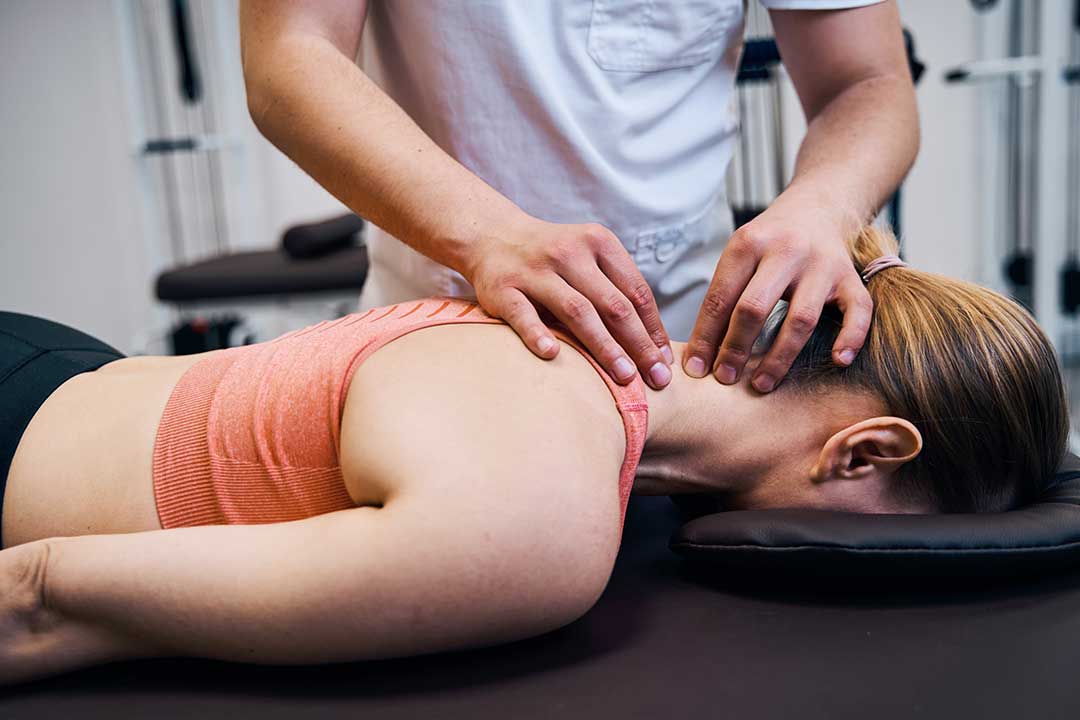
If you notice any of the above, consult a pediatrician or local Middletown chiropractor for a personalized assessment. Early intervention can prevent bigger issues down the line.
The Role of Local Community Resources
Middletown is rich in resources for active lifestyles, from public libraries with ergonomically designed reading nooks to sports leagues and youth organizations. Use the community’s assets to keep students active and engaged. Register for classes at the YMCA, visit playgrounds, or participate in after-school programs—these options all help break up sedentary routines and encourage strong, healthy bodies.
Conclusion: Building Lifelong Habits in Middletown, NY
Today’s students are tomorrow’s adults—setting up a foundation of healthy postural and ergonomic habits in Middletown protects young learners from discomfort, boosts productivity, and supports academic success. With simple adjustments at home and school, plus support from the community, parents and children can work together to ensure every student stands (and sits) tall.
