
 See Our Latest Article on HelloNation

What is a herniated disc?
A herniated disc occurs when one of the soft, cushion-like discs between the bones of the spine develops a tear or bulge. Part of the inner disc material may extend outward and irritate a nearby nerve.
Discs can herniate in the neck, mid-back, or lower back. The lower back is a common location, and symptoms may include back pain, buttock pain, leg pain, numbness, tingling, or muscle weakness. A disc problem does not always cause symptoms. Some people have a disc bulge visible on an MRI without experiencing pain.
The term “slipped disc” can be misleading because the disc does not usually slide out of place as a whole. Instead, the outer portion may weaken or tear, allowing the inner material to push outward.
How can a herniated disc affect the nerves?
Pain from a herniated disc may be limited to the back, but nerve irritation can create symptoms farther down an arm or leg. In the lower back, this is often called sciatica.
Common symptoms include:
- Sharp, burning, or electric pain traveling into the buttock or leg
- Numbness or tingling in the leg, foot, arm, or hand
- Weakness when lifting the foot, standing on the toes, gripping, or raising the arm
- Pain that worsens with coughing, sneezing, bending, or prolonged sitting
- Difficulty finding a comfortable position
The location of symptoms can provide clues about which nerve is irritated, but symptoms alone cannot confirm a herniated disc. A physical examination helps distinguish disc-related pain from muscle strain, arthritis, spinal narrowing, hip problems, or other conditions.
What commonly causes a disc herniation?
Age-related changes are a major factor. Over time, spinal discs lose some water content and flexibility, making them more vulnerable to tearing. A sudden lift, twisting movement, fall, or collision can trigger symptoms, although many people cannot identify one specific event.
Daily activities can also contribute to irritation. Long periods of sitting, repeated bending, physically demanding work, and limited conditioning may place additional stress on the lower back. In Middletown, seasonal tasks such as shoveling snow, moving wet leaves, or lifting stored household items can produce sudden strain when the body is not prepared for the effort.
Smoking, higher body weight, and low physical activity may also affect spinal health. These factors do not mean that a person caused the problem; they simply may influence how the spine tolerates stress and recovers.
How is a herniated disc diagnosed?
Diagnosis usually begins with a health history and physical examination. The examiner may assess walking, reflexes, muscle strength, sensation, and how certain movements affect symptoms.
An MRI can show discs, nerves, and other soft tissues more clearly than an X-ray. However, imaging is not always needed immediately. A scan may be considered when symptoms persist, neurological findings are present, the diagnosis is uncertain, or a procedure is being evaluated.
An MRI finding should be interpreted alongside symptoms. Disc bulges are common, including in people who have no pain. Treating an image rather than the person’s actual symptoms can lead to unnecessary concern or treatment.
Can chiropractic care help?
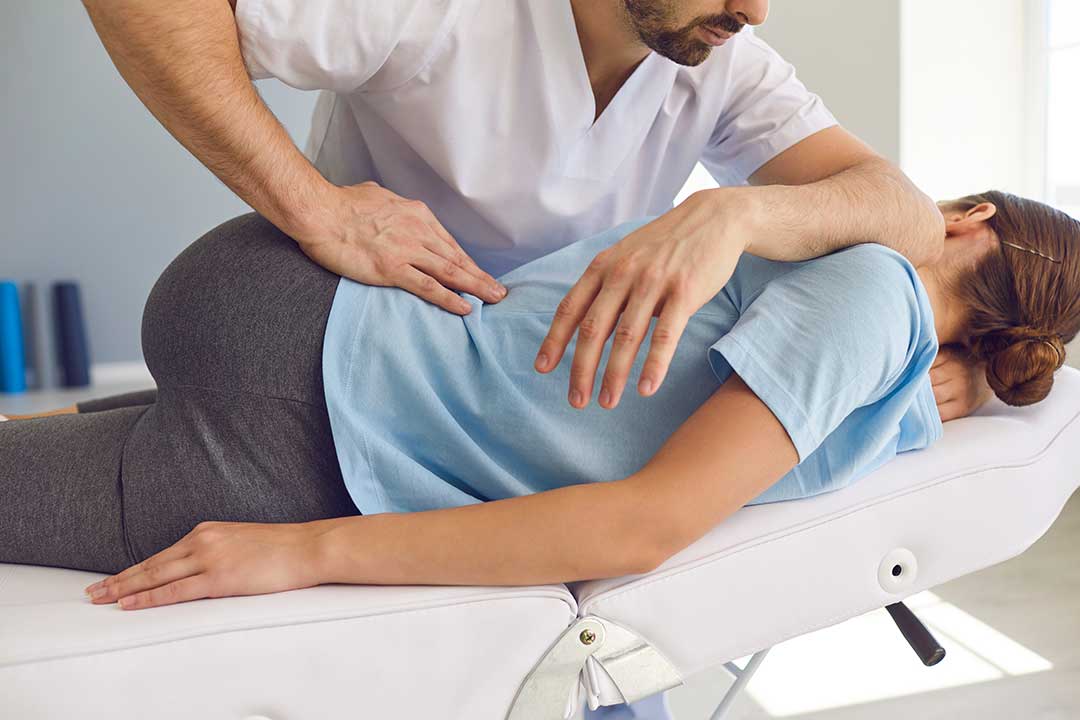
Chiropractic care may be one part of a conservative plan for selected people with back pain or nerve-related symptoms. Care may include education, movement advice, gentle mobilization, soft-tissue techniques, exercise, and, when appropriate, spinal manipulation.
Research on spinal manipulation suggests modest short-term improvements in pain and function for some types of low-back pain. That evidence does not mean that manipulation “puts a disc back in place” or cures every herniation. The goal is generally to reduce pain, improve movement, and support a gradual return to normal activities.
A careful evaluation matters before treatment. Spinal manipulation may not be appropriate when there is worsening muscle weakness, severe neurological loss, suspected fracture, infection, cancer, significant osteoporosis, or other medical conditions. A person should also disclose current medications, recent injuries, prior surgery, pregnancy, and major health conditions.
Mild temporary soreness, stiffness, or increased discomfort can occur after manual treatment. Any new or worsening neurological symptom should be reported promptly.
What other treatments may be used?
Most people improve without surgery, particularly when symptoms are gradually getting better. Treatment may involve several approaches rather than one technique:
- Short rest breaks during severe pain, while avoiding prolonged bed rest
- Gentle walking or other comfortable movement
- Exercises that improve strength, mobility, and tolerance for daily activity
- Physical therapy
- Medication recommended by a qualified medical provider or pharmacist
- Heat or cold, depending on which feels more relieving
- In selected cases, an injection or surgical consultation
The right exercise depends on the location and behavior of symptoms. A movement that helps one person may aggravate another. Pain that travels farther down an arm or leg, increasing numbness, or new weakness is a reason to stop that activity and seek medical guidance.
Surgery is not usually the first step. It may be considered when disabling symptoms continue despite conservative care, or when significant or progressive nerve loss is present.
When is a herniated disc an emergency?
Certain symptoms require urgent medical evaluation rather than routine chiropractic or self-care treatment. Seek immediate help for:
- New loss of bladder or bowel control
- Inability to urinate
- Numbness around the inner thighs, buttocks, or genital area
- Rapidly worsening weakness in one or both legs
- Severe symptoms after a major fall or collision
- Back pain accompanied by fever, unexplained weight loss, or feeling seriously ill
These warning signs can indicate severe nerve compression or another condition requiring prompt assessment.
What can residents do at home?
During an acute flare, changing positions regularly is often more helpful than remaining in bed. Short walks around the home may be tolerable, while long periods of sitting in a car or at a desk can increase symptoms for some people.
For seasonal chores, divide heavy tasks into smaller portions, keep loads close to the body, avoid twisting while lifting, and use the legs and hips rather than rounding the lower back. When symptoms settle, gradually rebuilding strength and activity is usually more useful than avoiding movement indefinitely.
A herniated disc can be painful and unsettling, but the diagnosis does not automatically mean permanent damage or surgery. The most appropriate plan depends on the pattern of symptoms, neurological findings, overall health, and whether function is improving over time.
