
 See Our Latest Article on HelloNation

Chiropractic care is one part of a broader approach to wellness that may include movement, sleep, stress management, nutrition, medical care, and injury prevention. For residents of Middletown, NY, the most useful role of chiropractic is often helping people manage certain muscle and joint problems while improving confidence in everyday movement.
Chiropractic should not be viewed as a replacement for primary medical care or as a treatment for every health condition. Its value is greatest when care is based on a clear assessment, realistic goals, and coordination with other appropriate forms of healthcare.
What does holistic wellness mean?
Holistic wellness considers how physical health, daily habits, mental well-being, environment, and social circumstances affect one another. A person with back pain, for example, may also be dealing with poor sleep, long hours of sitting, work-related lifting, stress, or reduced physical activity.
A whole-person approach asks more than, “Where does it hurt?” It also considers:
- What activities have become difficult?
- How is pain affecting sleep, work, exercise, or family responsibilities?
- Are strength, balance, flexibility, or endurance limited?
- Have stress, fatigue, or inactivity contributed to the problem?
- Are there medical concerns that require another type of evaluation?
Chiropractic care commonly focuses on the muscles, joints, spine, and nervous system. Holistic wellness places that care within the larger picture of how a person functions day to day.
What role can chiropractic play in wellness?
Chiropractic may help some people with back pain, neck pain, certain joint problems, and movement limitations. Spinal manipulation is the best-known chiropractic technique, but care may also include mobility exercises, strengthening, stretching, soft-tissue techniques, posture guidance, and advice about safer movement.
For many people, the practical goal is not a specific change seen on an X-ray. It may be the ability to walk more comfortably, return to exercise, sleep with fewer interruptions, lift household items safely, or work with less discomfort.
Research supports spinal manipulation as one option for some forms of low-back pain, although the strength of evidence varies by condition. Benefits are generally measured by changes in pain and function rather than by claims that treatment can correct unrelated health problems.
Is chiropractic care mainly for pain?
No. Pain is a common reason people seek chiropractic care, but function is often the more useful focus.
A person may have mild discomfort but significant difficulty climbing stairs, turning the head, standing from a chair, or maintaining an active routine. Another person may have noticeable pain but remain physically capable. A careful evaluation looks at both symptoms and function.
Wellness-oriented chiropractic care may address:
- Limited spinal or joint mobility
- Repetitive strain from desk work or household tasks
- Recovery after ordinary activity-related injuries
- Movement changes associated with aging
- Muscle tightness and reduced flexibility
- Difficulty returning to exercise after a period of inactivity
These issues are not always solved by passive treatment alone. Improvements are more likely to last when mobility work is paired with gradual strengthening and regular activity.
How do exercise and chiropractic care work together?
Exercise is a central part of long-term wellness. Regular physical activity supports heart health, muscle and bone strength, sleep, mood, balance, and the ability to perform daily tasks. Chiropractic care may make movement more comfortable or provide guidance during a return to activity, but it should not create dependence on repeated treatment.
A practical plan may include:
- Short walks that gradually increase in duration
- Gentle mobility exercises for areas that feel stiff
- Strengthening for the hips, legs, back, shoulders, or abdomen
- Balance exercises for older adults
- Breaks from prolonged sitting
- Gradual increases in household, recreational, or work activity
Residents may also need to adapt activity to local seasonal conditions. Cold weather can reduce outdoor exercise, while snow and ice can increase the risk of slips, sudden twisting, and falls. Supportive footwear, shorter steps on icy surfaces, and indoor movement options can help maintain activity safely during winter conditions.
Can chiropractic affect sleep and stress?
Pain, stiffness, and physical limitations can interfere with sleep. Poor sleep may then increase sensitivity to discomfort, reduce energy, and make exercise more difficult. Addressing movement problems may support better rest, but chiropractic treatment is not a stand-alone treatment for insomnia, anxiety, depression, or serious stress-related conditions.
A broader wellness plan may include:
- Consistent sleep and wake times
- A comfortable sleep position
- Light activity during the day
- Relaxation or breathing exercises
- Reduced screen use before bed
- Medical evaluation when sleep problems are persistent
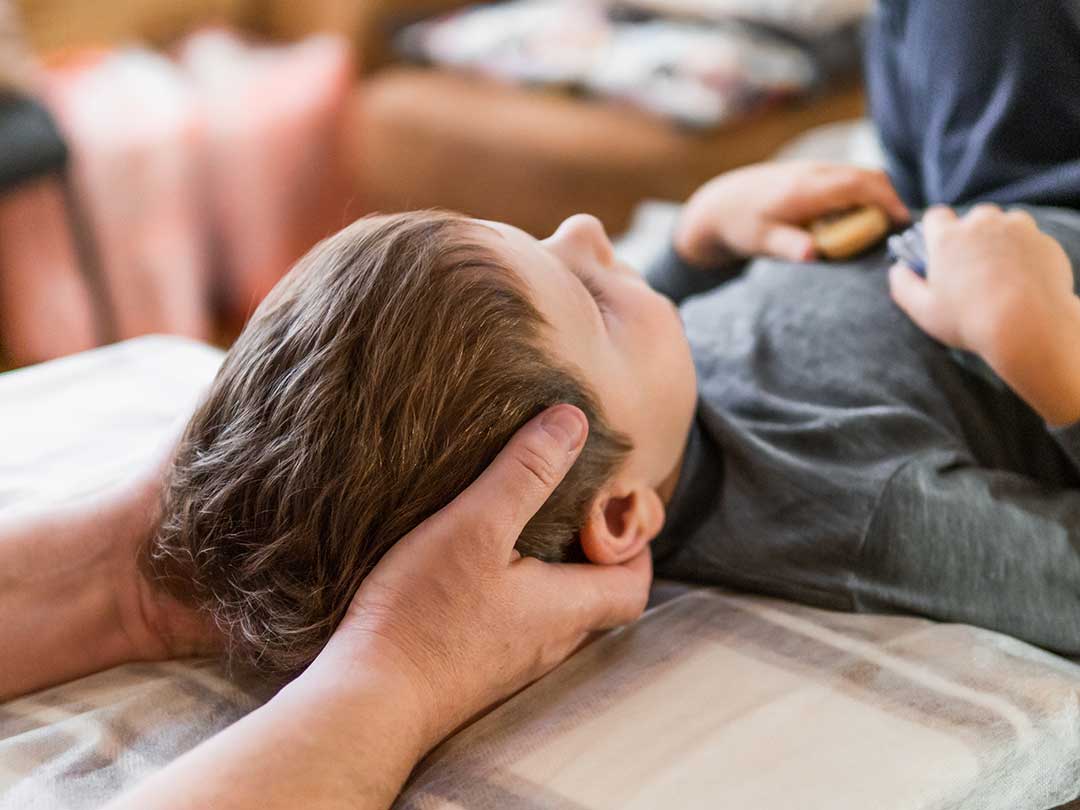
Stress can also cause people to tense the jaw, shoulders, neck, or back. Learning to recognize these patterns may be as useful as hands-on care.
What should someone expect during an evaluation?
An initial evaluation generally includes a health history, discussion of symptoms and goals, and a physical examination. The clinician may assess movement, strength, reflexes, sensation, balance, and activities that worsen or relieve symptoms.
Relevant information includes:
- Previous injuries or surgeries
- Medical conditions such as osteoporosis or inflammatory disease
- Current medications
- Numbness, tingling, or weakness
- Changes in bladder or bowel control
- Recent falls, fever, unexplained weight loss, or severe night pain
Imaging is not automatically needed for every episode of back or neck pain. It may be considered when the history or examination suggests a fracture, infection, serious nerve problem, tumor, or another condition requiring additional evaluation.
Is chiropractic care safe for everyone?
Chiropractic techniques are not appropriate for every person or every body region. Mild soreness, stiffness, or temporary fatigue can occur after manipulation. More serious complications are uncommon, but risk depends on the technique, the person’s health, and the area being treated.
Extra caution is needed with conditions such as:
- Suspected fracture
- Severe osteoporosis
- Bone or joint infection
- Certain tumors
- Serious inflammatory conditions
- Significant nerve compression
- Recent major trauma
- Some blood-vessel or connective-tissue disorders
Neck manipulation deserves specific discussion because rare but serious complications have been reported. A person should describe all symptoms and medical history before treatment, and should not proceed with a technique that feels unsafe or poorly explained.
When should pain be evaluated urgently?
Some symptoms require prompt medical assessment rather than routine wellness care. Seek urgent attention for back or neck pain accompanied by new loss of bladder or bowel control, numbness in the groin area, progressive weakness, severe unsteadiness, chest pain, shortness of breath, high fever, unexplained weight loss, or pain after a major fall or collision.
Sudden one-sided weakness, facial drooping, trouble speaking, severe dizziness, or an unusual severe headache may indicate a medical emergency. These symptoms should not be attributed to a routine spinal problem.
What does a balanced approach look like?
For local residents, chiropractic can be a useful component of wellness when it supports movement, function, and informed self-care. The strongest approach is usually individualized rather than centered on a fixed treatment schedule or broad promises.
Healthy routines remain foundational: regular movement, adequate sleep, nutritious meals, stress management, safe lifting, attention to winter hazards, and appropriate medical care. Chiropractic may fit within that framework, particularly for selected musculoskeletal concerns, but whole-person wellness depends on more than spinal treatment alone.
