
 See Our Latest Article on HelloNation
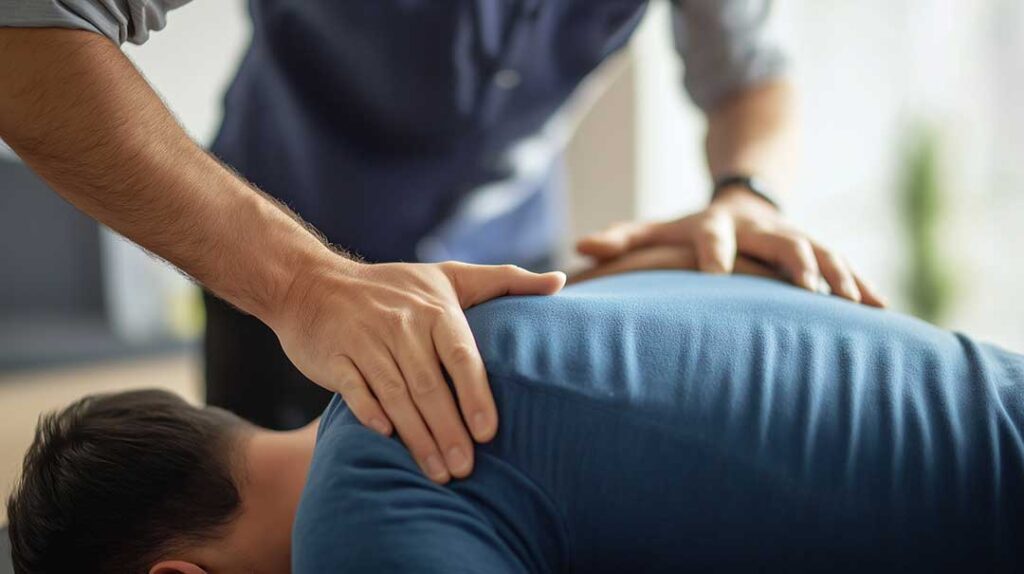
A minor back strain often improves with simple home care over several days to a few weeks. The most helpful approach is usually temporary activity modification, comfortable movement, cold or heat, and careful attention to warning signs.
A strain can happen after lifting, reaching, twisting, shoveling, yardwork, exercise, or an awkward movement. Seasonal tasks around Middletown, NY, such as clearing snow, moving outdoor furniture, or preparing a home for changing weather, can place extra stress on the muscles and ligaments supporting the spine.
What should be done during the first day or two?
Reduce activities that increase the pain, but avoid staying in bed all day. Short periods of rest can calm an irritated back, while gentle movement helps prevent stiffness and loss of strength.
For the first 24 to 72 hours:
- Avoid heavy lifting, repeated bending, forceful twisting, and strenuous exercise.
- Take brief walks around the home if walking does not sharply increase symptoms.
- Change positions regularly instead of sitting or lying in one position for long periods.
- Use a supportive chair rather than a deep, soft couch.
- Move slowly when getting out of bed or standing from a chair.
A minor strain may feel sore, tight, or painful with certain movements. That does not always mean additional damage is occurring. However, activity that causes sharp, escalating, or radiating pain should be stopped.
Is ice or heat better for a back strain?
Either cold or heat may provide relief, but they are used for different purposes. Cold can help reduce discomfort during the early phase, while heat may ease muscle tightness and stiffness later.
To use cold safely, wrap an ice pack or a bag of frozen vegetables in a thin towel and apply it for about 15 to 20 minutes. Do not place ice directly on the skin, and allow the skin to return to its normal temperature between applications.
After the first couple of days, many people prefer a warm shower, heating pad, or warm compress. Use comfortable warmth rather than high heat, and limit sessions to about 15 to 20 minutes. Avoid falling asleep with a heating pad in place, since prolonged heat can cause burns.
There is no requirement to choose only one method. Some people find cold helpful after activity and warmth helpful before gentle movement.
Should stretching be used right away?
Gentle movement is usually more useful than forceful stretching. During the first day or two, avoid trying to “stretch out” severe pain or repeatedly bending forward to test the back.
When symptoms begin to settle, try easy movements such as:
- A brief, relaxed walk on level ground.
- Gentle pelvic movements while lying on the back with knees bent.
- Slow knee-to-chest movement, only if it feels comfortable and does not increase leg symptoms.
- Light mobility exercises recommended by a qualified health professional.
A stretch should feel mild, not sharp or aggressive. Stop if pain travels into the buttock or leg, numbness develops, or symptoms remain worse afterward.
Can over-the-counter medicine help?
Over-the-counter pain relievers may reduce discomfort enough to make normal movement easier. Common options include acetaminophen and anti-inflammatory medicines such as ibuprofen or naproxen.
Read the label carefully and do not exceed the recommended dose. Anti-inflammatory medicines may not be appropriate for people with a history of stomach ulcers, kidney disease, certain heart conditions, blood-thinning medication use, or pregnancy. Acetaminophen may be unsafe for some people with liver disease or heavy alcohol use.
A pharmacist or medical professional can help determine which option is appropriate. Avoid combining products that contain the same active ingredient, especially cold, flu, or headache medicines.
What sleeping positions may reduce discomfort?
A comfortable sleep position can reduce strain during the night. People who sleep on their side may benefit from placing a pillow between the knees. Those who sleep on their back may feel better with a pillow under the knees.
Turning in bed can be easier by bending the knees, rolling onto one side, and using the arms to help push up rather than twisting suddenly through the waist.
Mattress firmness is less important than comfort and support. A new mattress is not usually necessary for a short-lived strain, and sleeping on the floor is not automatically better for the back.
How can everyday activities be adjusted?
Temporary changes to routine can prevent a minor strain from becoming more painful. Break larger tasks into smaller steps and avoid carrying more than can be handled comfortably.
For household work:
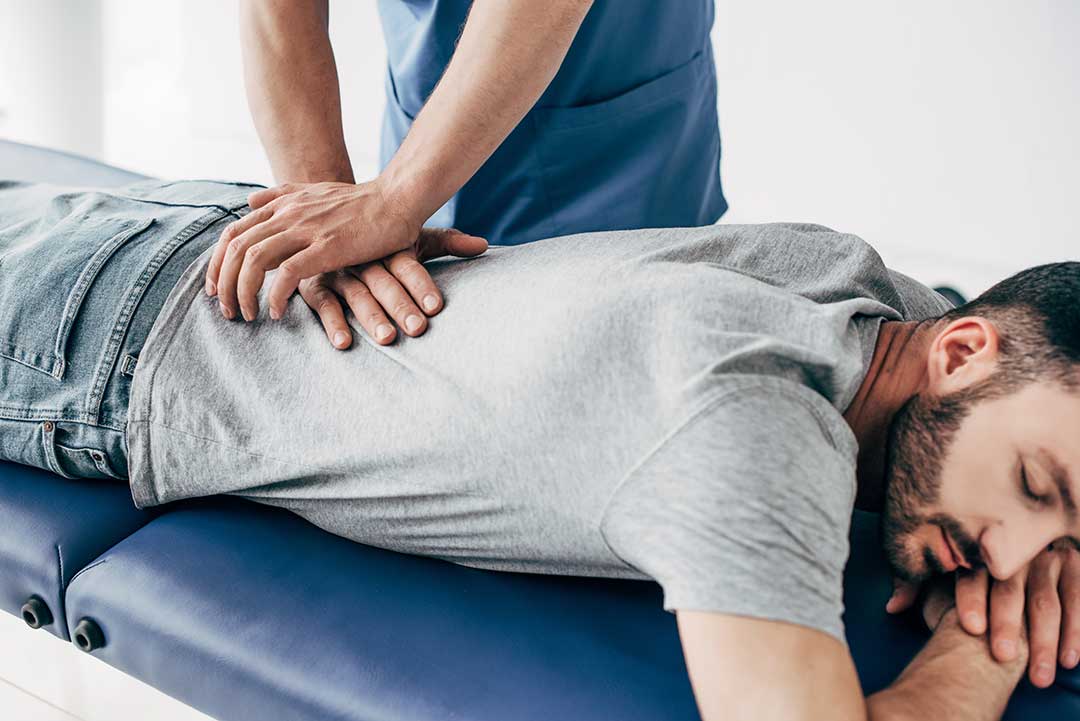
- Keep loads close to the body.
- Bend at the hips and knees rather than rounding the lower back.
- Turn with the feet instead of twisting while carrying an object.
- Use smaller containers when moving snow, soil, laundry, or groceries.
- Ask for assistance with bulky or awkward items.
- Alternate sitting, standing, and walking during desk or driving time.
During colder months, icy walkways and stiff muscles can increase the risk of awkward movements. Warm clothing, cleared walking paths, and a few minutes of gentle movement before outdoor chores may help reduce sudden strain.
What should be avoided?
Several common responses can prolong discomfort. Complete bed rest for more than a short period may increase stiffness and make it harder to return to normal activity. Forceful manipulation, intense stretching, heavy exercise, and repeated self-testing can also aggravate an irritated back.
Avoid using heat over areas with reduced sensation, and do not apply cold if the skin becomes numb, pale, or painful. Alcohol may make a person less aware of pain and can increase the risk of injury during activity.
A back brace is not automatically helpful for a simple strain. Extended reliance on a brace may encourage guarded movement and does not address the cause of recurring symptoms.
When is back pain more than a minor strain?
Certain symptoms require prompt medical evaluation rather than home treatment. Seek urgent care for back pain accompanied by:
- New loss of bladder or bowel control.
- Numbness around the inner thighs, groin, or buttocks.
- Significant weakness in one or both legs.
- Severe pain after a fall, collision, or other injury.
- Fever, unexplained weight loss, or feeling seriously ill.
- Pain that is constant, worsening, or severe at night.
- New numbness or pain that travels down the leg and does not improve.
People with osteoporosis, a history of cancer, significant immune suppression, or long-term steroid use may need medical advice sooner after developing back pain.
If a suspected strain is not clearly improving after several days, or if normal walking and daily activities remain difficult after a few weeks, an evaluation can help determine whether the problem is muscular or related to a joint, disc, nerve, or another condition. Home remedies are appropriate only when symptoms are mild, stable, and free of warning signs.
