
 See Our Latest Article on HelloNation
Why Does Back Pain Occur During Pregnancy?
Back pain is a frequent challenge for many pregnant people, especially in the second and third trimesters. The main reasons include physical changes in posture, increased weight, and hormonal shifts that loosen the ligaments supporting the spine and pelvis. In a place like Middletown, NY, where residents often deal with variable weather and daily driving or commuting, these effects may feel more pronounced due to lifestyle routines.
Shifting your center of gravity and adapting to new sleep patterns can both contribute to discomfort. Understanding these root causes helps in choosing safe ways to bring relief without risk.
Are There Simple Movements That Can Help?
Gentle movement is a safe, effective way to relieve mild to moderate back pain during pregnancy. Local experts often recommend focusing on mobility and stretching, especially during the winter when outdoor activity is limited.
Some safe movement tips include:
- Walking at a comfortable pace—ideally on well-maintained sidewalks and flat paths common in local parks
- Gentle prenatal yoga or stretching with a focus on the lower back, hips, and hamstrings
- Pelvic tilts or cat-cow stretches performed on a mat at home
It is best to avoid exercises that involve sudden twisting, deep backbends, or lying flat on your back for extended periods as pregnancy progresses.
How Should Pregnant People Sleep to Reduce Back Pain?
Proper sleep positioning can make a noticeable difference for expectant parents. Most health professionals in the area advise sleeping on your side, ideally with a pillow between the knees. This alignment supports the lower back and can relieve pressure from the pelvis and hips.
Other practical night-time tips:
- Use a firm mattress for spinal support, or place a board beneath a softer mattress for extra stability
- Add a pregnancy pillow or rolled towel under the belly for added comfort
- Adjust room temperature and humidity as needed, since abrupt seasonal changes in Middletown’s climate can disrupt quality sleep
Avoiding sleeping on your stomach and limiting time spent on your back helps protect circulation and reduce back strain.
Which At-Home Remedies Are Supported by Evidence?
Some home remedies are backed by research for easing pregnancy-related back pain. These methods are typically safe and affordable for area households:
- Warm compresses: Applying a heated pad or warm towel to the lower back (10–15 minutes at a time) can soothe muscle tightness, especially in cold weather.
- Epsom salt baths: Soaking in a lukewarm tub with Epsom salts helps some people loosen muscle tension, provided water temperature is not too hot.
- Wearing supportive shoes: Flat, cushioned shoes with good arch support offer more relief than high heels or unsupportive sandals, especially on hard indoor flooring common in local homes and workplaces.
It’s also best to rise and sit down using leg muscles rather than bending at the waist, to avoid added pressure on the spine.
Are There Precautions for Self-Care?
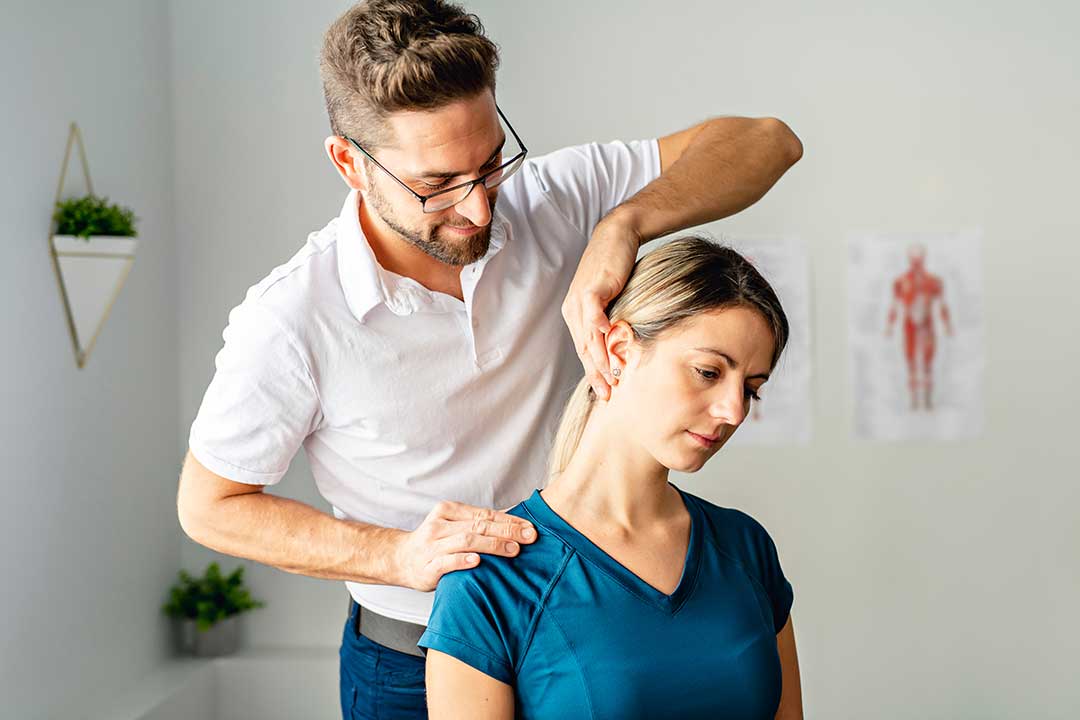
Certain strategies should be approached with caution during pregnancy. Over-the-counter pain medications and topical creams are not always safe—always check with a prenatal care provider before using any medication, even if available at local stores.
Other cautions:
- Avoid use of heating pads for prolonged periods or on the abdomen
- Skip deep tissue or intense massage techniques, which can overstimulate sensitive areas
- Do not use electric stimulation devices on the back unless specifically cleared by a prenatal health specialist
If you experience sudden or severe symptoms such as numbness, loss of bladder or bowel control, or pain radiating down the legs, seek prompt medical assessment.
Can Supportive Braces or Belts Help?
Maternity support belts are sometimes recommended for those experiencing back strain, especially for people who need to be on their feet for long periods during daily routines. These belts are designed to redistribute belly weight and reduce strain on the lumbar area. When used according to package instructions, they can provide meaningful relief without interfering with normal movement.
Still, braces should not be too tight and should only be used for brief periods when extra support is needed, such as during errands, chores, or walks around the community.
When Should Professional Input Be Considered?
While most pregnancy-related back pain is minor and temporary, there are times when talking to a medical provider is warranted. Local care providers emphasize reaching out if:
- Pain intensifies or starts to interfere with regular activities
- Other symptoms emerge, such as fever, swelling, or neurological signs (tingling, weakness)
- Pain is accompanied by preterm contractions or vaginal bleeding
Routine check-ups with a prenatal care provider allow for individualized recommendations matched to your needs and stage of pregnancy. In many cases, lifestyle modifications, gentle movement, and mindful rest are enough to provide relief for most area residents.
