
 See Our Latest Article on HelloNation
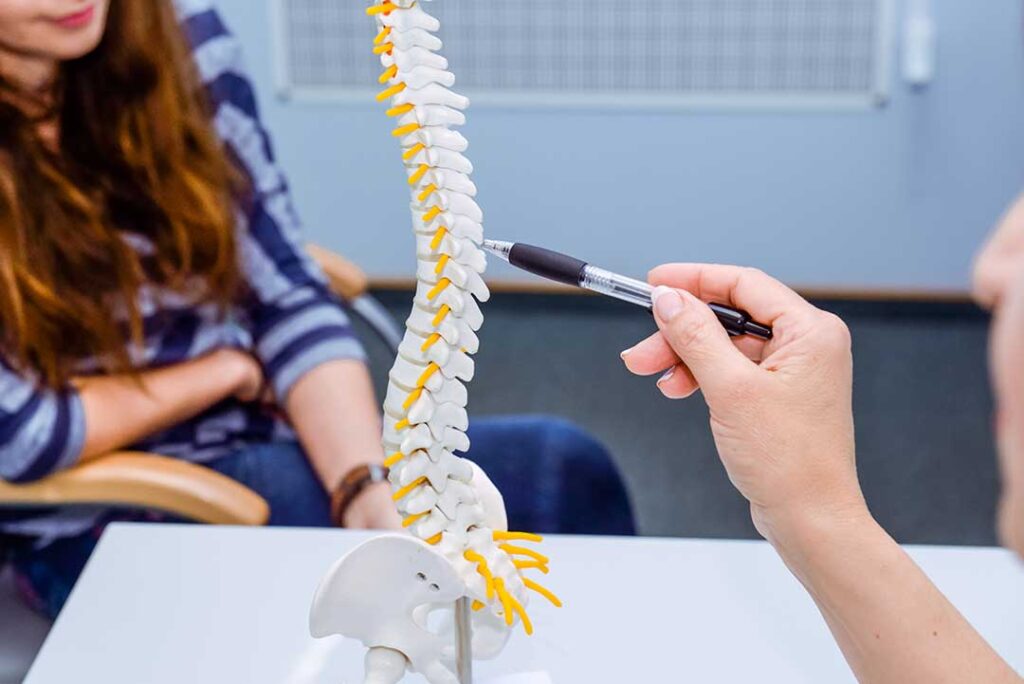
Chiropractic care is one non-surgical approach used to manage certain types of back, neck, joint, and muscle pain. It may help some people move more comfortably and reduce short-term pain, but it is not appropriate for every condition and works best as part of a broader care plan.
What does chiropractic care involve?
Chiropractic care commonly includes a physical assessment, discussion of symptoms, movement testing, and hands-on treatment. Depending on the situation, care may involve spinal manipulation, gentle joint mobilization, soft-tissue techniques, stretching, strengthening exercises, or guidance on movement and daily habits.
Spinal manipulation uses a controlled force to move a joint through a specific range of motion. Mobilization is generally slower and gentler, without the quick thrust sometimes associated with an audible popping sound. Neither approach should be assumed to be necessary for every patient.
A careful evaluation should consider the location and duration of pain, previous injuries, medications, general health, work demands, and symptoms such as numbness or weakness.
Which pain problems may respond to chiropractic treatment?
The strongest evidence relates to some forms of nonspecific low-back pain, meaning pain that is not caused by a clearly identified disease, fracture, infection, or serious nerve problem. Spinal manipulation may provide modest improvements in pain and physical function, especially when combined with remaining active and performing appropriate exercises.
Some people also seek chiropractic care for:
- Neck pain related to muscle strain or posture
- Stiffness after prolonged sitting or repetitive activity
- Certain mechanical shoulder, hip, or pelvic movement problems
- Joint or muscle discomfort after a minor strain
- Some types of tension-related headaches
Results vary. Chiropractic care may reduce symptoms without eliminating the underlying cause, and improvement may occur gradually. Pain that continues, repeatedly returns, or interferes with sleep and normal activities deserves a broader evaluation rather than repeated treatment without reassessment.
Can chiropractic care help with chronic pain?
It can be one option for selected people with chronic musculoskeletal pain, particularly chronic low-back or neck pain. The goal is usually improved function, better tolerance for normal activity, and reduced reliance on passive care—not simply temporary relief after each visit.
Chronic pain is influenced by more than joints and muscles. Sleep disruption, stress, fear of movement, work conditions, prior injuries, general fitness, and other health conditions can all affect symptoms. A useful plan may include progressive exercise, walking, physical therapy, ergonomic changes, stress-management skills, medication review, or other medical care.
A common misconception is that chiropractic treatment “puts the spine back into place” permanently. The spine is not usually slipping out of position in the way that phrase suggests. Treatment is better understood as an attempt to influence pain, movement, muscle tension, and confidence with activity.
What should someone in Middletown consider before treatment?
Local routines and seasonal conditions can affect pain. Winter snow and ice may increase the chance of slips, falls, and sudden strains. Cold weather can also lead people to move less, sit longer, or tense the shoulders and back. In homes with stairs, outdoor maintenance, or lengthy driving commutes, repeated lifting, climbing, and static postures may contribute to recurring symptoms.
Before treatment, it is useful to describe:
- When the pain began and whether there was an injury
- Whether pain travels into an arm or leg
- Any numbness, tingling, weakness, or loss of coordination
- Changes in bladder or bowel control
- Fever, unexplained weight loss, or unusual fatigue
- A history of cancer, osteoporosis, infection, blood-clotting problems, or major trauma
- Current medications, including blood thinners
These details help determine whether hands-on care is reasonable or whether medical evaluation should come first.
Is chiropractic manipulation safe?
For many generally healthy adults, spinal manipulation is associated with temporary soreness, stiffness, tiredness, or a brief increase in discomfort. Serious complications are uncommon, but they can occur. Neck manipulation deserves particular caution because rare reports have linked sudden neck movements with injuries to arteries in the neck. Research continues to examine how often these events are caused by treatment versus the underlying neck problem or other recent activity.
Patients should be told what a treatment involves and should be able to choose gentler methods or decline manipulation. A practitioner should modify or avoid treatment when there are relevant risk factors, such as severe osteoporosis, recent fracture, active infection, certain inflammatory conditions, unstable spinal problems, or significant neurological symptoms.

Pregnancy, recent surgery, major trauma, and complex medical conditions also call for individualized precautions. Forceful treatment should not be used to delay evaluation of a potentially serious disorder.
When is back or neck pain an emergency?
Seek urgent medical attention for back or neck pain accompanied by:
- New or worsening weakness in an arm or leg
- Loss of bladder or bowel control
- Numbness around the inner thighs or groin
- Difficulty walking or sudden loss of coordination
- Severe pain after a fall, collision, or other major injury
- Fever, chills, or signs of infection
- Unexplained weight loss or a history of cancer
- Severe headache, dizziness, fainting, vision changes, or speech difficulty after neck symptoms
These signs may indicate nerve compression, spinal injury, infection, or another condition that requires prompt medical assessment.
How does chiropractic care fit with other pain treatments?
Chiropractic care does not need to be an either-or choice between hands-on treatment and conventional medicine. Many pain conditions are managed most effectively through coordinated care that may include exercise, physical therapy, primary medical care, imaging when justified, behavioral strategies, and medication when appropriate.
Imaging is not automatically necessary for ordinary low-back pain. It is more useful when symptoms suggest fracture, serious disease, significant nerve compression, or when results would change treatment decisions. Routine imaging can sometimes reveal age-related changes that are not the actual source of pain.
The most practical measure of progress is function. Can a person walk farther, sleep more comfortably, return to household tasks, work with fewer limitations, or move with less fear? If treatment does not produce meaningful improvement over a reasonable period, the diagnosis and plan should be reconsidered.
What can residents do between treatments?
Active self-management is often central to recovery. Helpful steps may include changing position regularly, taking short walks, using heat or cold according to personal response, adjusting a workstation, lifting with controlled movements, and following a gradual strengthening program.
Bed rest for extended periods can increase stiffness and reduce conditioning. At the same time, sharp or rapidly worsening pain should not be ignored. A balanced approach is to keep moving within tolerable limits while avoiding activities that clearly aggravate symptoms.
For residents managing pain through changing seasons, planning ahead can help: warm up before shoveling or outdoor work, divide heavy tasks into smaller portions, use stable footwear, and avoid twisting while carrying loads. These habits cannot prevent every injury, but they may reduce avoidable strain and support recovery.
