
 See Our Latest Article on HelloNation
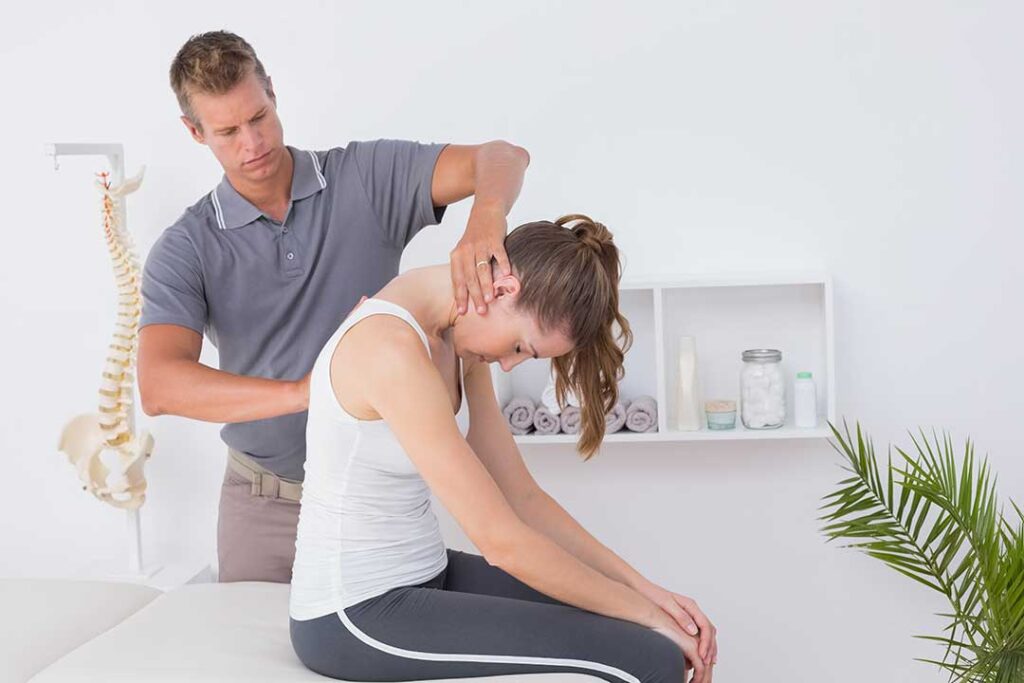
Middletown, NY residents often notice more stiffness when getting out of bed during colder months, after a long day of sitting, or following an unusually inactive day. A few controlled stretches can help the body transition from rest to movement, but they should feel gentle rather than forceful.
Morning stretching is not a cure for every type of back, neck, or joint pain. It is best viewed as a way to restore comfortable motion, warm up tight muscles, and identify how the body feels before starting the day.
Why does stiffness feel worse in the morning?
Morning stiffness may be related to staying in one position for several hours, reduced circulation during sleep, muscle tension, or the way the spine and hips are supported by a mattress and pillow. Cold weather can also make muscles and joints feel less flexible at first, especially when a bedroom or bathroom is chilly.
Stiffness that improves after several minutes of light movement is often different from pain that is severe, worsening, or associated with numbness or weakness. The pattern matters. Notice whether symptoms improve with movement, remain unchanged, or become worse.
Before stretching, take a minute to move slowly:
- Roll from your side before sitting up.
- Place both feet on the floor and pause before standing.
- Walk around the room for two or three minutes.
- Use calm, steady breathing rather than holding your breath.
A warm shower can also make movement more comfortable, particularly on cold mornings. Heat should be warm, not hot enough to irritate the skin or cause dizziness.
Which stretches are useful after getting out of bed?
The most useful morning stretches are usually gentle movements for the back, hips, shoulders, and legs. No single routine works for everyone, so stay within a comfortable range and avoid trying to force flexibility.
Pelvic tilts
Lie on your back with your knees bent and feet flat on the floor. Gently tighten the abdominal muscles and flatten the lower back toward the surface beneath you. Hold for about five seconds, then relax.
Repeat five to eight times. The motion should be small. This exercise can help you become aware of how the lower back is moving without placing it under heavy load.
Single-knee-to-chest stretch
Remain on your back with both knees bent. Slowly bring one knee toward the chest, holding behind the thigh rather than pulling on the knee joint. Hold for five to ten seconds, then lower the leg and switch sides.
Repeat two or three times per side. If both knees toward the chest feel comfortable, that variation may be tried briefly, but it should not create sharp back pain or pressure.
Gentle lower-back rotation
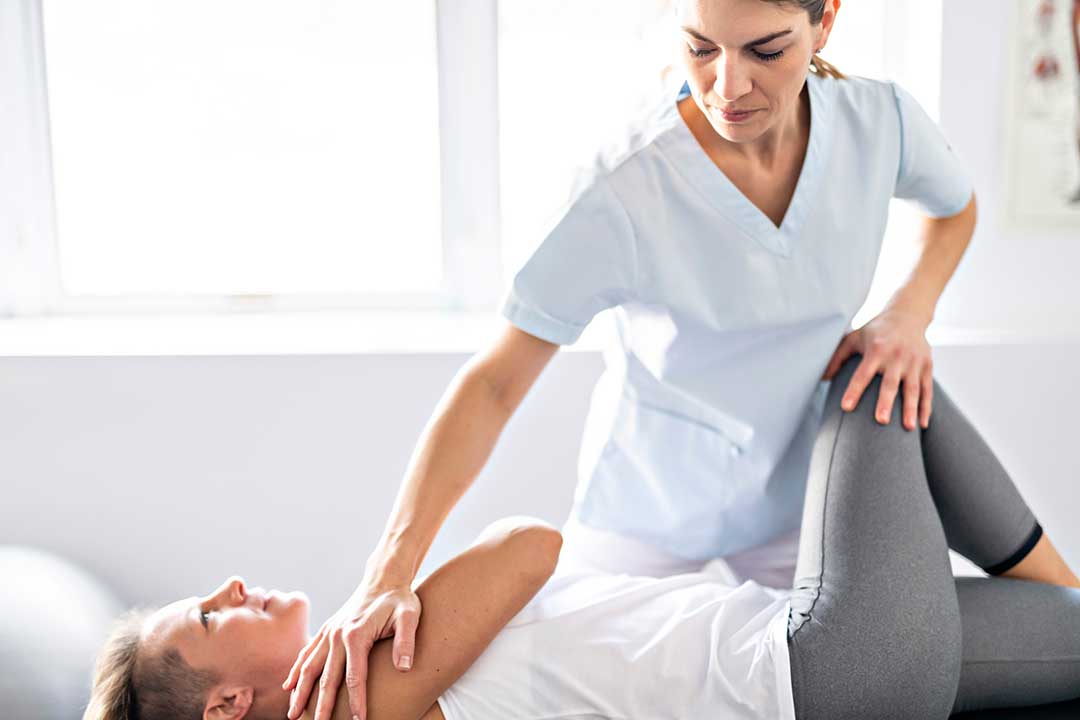
With both knees bent and feet supported, allow the knees to move slowly toward one side while keeping the shoulders relaxed and as stable as possible. Return to the center and repeat on the other side.
Use a small range of motion at first. This stretch should feel like a mild rotation through the hips and lower back, not a twisting maneuver.
Cat-cow movement
Start on hands and knees, with hands beneath the shoulders and knees beneath the hips. Slowly round the back while allowing the head to relax, then gently move toward a more extended position without forcing the lower back.
Complete five to eight slow repetitions. On mornings when kneeling is uncomfortable, perform a similar movement while standing with both hands supported on a sturdy counter.
Hip-flexor stretch
Stand in a split stance with one foot forward and one foot back. Bend the front knee slightly and shift the pelvis forward just enough to feel a stretch at the front of the back hip. Keep the torso upright and avoid arching the lower back.
Hold for 15 to 20 seconds, then change sides. This can be useful after sleeping with the hips flexed or sitting for long periods.
Calf and hamstring mobility
Place one heel slightly forward with the toes pointing upward. Keeping the back relatively straight, hinge gently at the hips until a mild stretch is felt behind the leg. Do not bounce or round deeply through the spine.
For the calves, face a wall, place one foot behind the other, and press the rear heel toward the floor while leaning forward slightly. Hold each position for 15 to 20 seconds.
How long should a morning stretching routine take?
A useful routine can take five to ten minutes. The goal is consistency and comfortable motion, not an intense flexibility workout.
A simple sequence might include:
- Two minutes of easy walking
- Five pelvic tilts
- Two knee-to-chest stretches per side
- Five gentle rotations per side
- Five cat-cow movements
- A brief hip-flexor and calf stretch
Stretching once in the morning may help, but frequent movement during the day is also valuable. Long periods of sitting at a desk, driving, or using a phone can cause stiffness to return even after a good morning routine. Standing up, walking briefly, and changing position every so often may be more helpful than performing one long stretching session.
What should a stretch feel like?
A safe stretch usually creates mild tension, pulling, or warmth in the target area. It should not cause sharp, electric, burning, or stabbing pain.
Avoid bouncing, jerking, or forcing a joint beyond its comfortable range. Slow breathing can help reduce unnecessary muscle guarding. If symptoms become worse during a stretch, stop that movement and return to an easier position.
A common misconception is that more stretching is always better. Some pain is not caused by tightness, and aggressive stretching can irritate an already sensitive joint, muscle, or nerve.
When should morning stretching be avoided?
Skip a new stretching routine after a significant fall, collision, or other injury until the problem has been assessed. Extra caution is also appropriate for people with recent surgery, osteoporosis, known spinal conditions, balance problems, or symptoms that travel into an arm or leg.
Seek prompt medical evaluation for back or neck pain accompanied by:
- New weakness, numbness, or tingling
- Loss of bowel or bladder control
- Fever or unexplained weight loss
- Severe or constant pain, particularly at night
- Pain after a substantial fall or impact
- Pain that repeatedly travels down an arm or leg
If ordinary stiffness does not improve with gentle activity or continues to worsen over several weeks, the pattern deserves evaluation rather than repeated self-treatment.
For local residents managing cold, icy mornings, it may help to keep the first few movements indoors on a clear, dry surface. A warm room, supportive footwear, and a few minutes of walking can make the transition from bed to normal activity more controlled and reduce the temptation to stretch aggressively while still cold.
