
 See Our Latest Article on HelloNation

Anxiety can affect both the mind and the body. Along with worry or fear, people may experience tight muscles, headaches, jaw tension, shallow breathing, restlessness, back pain, poor sleep, or a heightened awareness of normal body sensations.
Chiropractic care may help some people manage physical discomfort associated with stress and anxiety, but it should not be considered a primary treatment for an anxiety disorder. The most accurate answer is that chiropractic care may offer supportive benefits for muscle and joint symptoms while evidence for directly treating anxiety remains limited.
Can chiropractic care treat anxiety?
No. Chiropractic care has not been established as a stand-alone treatment for generalized anxiety disorder, panic disorder, phobias, or other clinical anxiety conditions.
Anxiety disorders are usually addressed through evidence-based mental health care, such as cognitive behavioral therapy, medication when appropriate, or a combination of both. These treatments focus on the thought patterns, emotional responses, avoidance behaviors, and nervous-system changes that maintain anxiety.
Chiropractic treatment may be considered complementary when anxiety is accompanied by physical problems such as:
- Neck or upper-back tension
- Headaches related to muscular strain
- Low-back discomfort
- Reduced mobility
- Postural fatigue
- Pain that interferes with sleep or daily activity
Reducing pain or improving movement may make it easier to sleep, exercise, work, and participate in counseling. That is different from treating the underlying anxiety itself.
Why might someone feel calmer after an adjustment?
Some people report feeling relaxed after hands-on care, stretching, breathing exercises, or a quiet period away from daily demands. Several factors may contribute, including temporary relief of muscle tension, improved comfort, focused attention on breathing, and the calming effect of taking a break from stressful activity.
Pain and anxiety can also reinforce each other. Pain may increase worry, while worry can cause muscle guarding, poor sleep, and increased sensitivity to discomfort. Addressing the physical side of this cycle may help a person feel better overall.
However, feeling relaxed after treatment does not prove that an anxiety disorder has been corrected. Benefits may be temporary, and responses vary from person to person.
What does research say about chiropractic care and anxiety?
Research on chiropractic care specifically for anxiety is limited. There is not strong evidence that spinal manipulation directly treats anxiety disorders or produces the same benefits as psychotherapy or medication.
Some studies of manual therapy and related physical treatments suggest possible short-term improvements in stress, pain, or general well-being. These findings do not establish chiropractic care as an anxiety treatment, and many studies have limitations involving sample size, treatment methods, or comparison groups.
A responsible approach is to view chiropractic care as one possible part of a broader plan for physical symptoms—not as a replacement for mental health evaluation or treatment.
When might chiropractic care be reasonable as supportive care?
Supportive care may make sense when anxiety and musculoskeletal symptoms occur together. For example, a person may spend long hours seated, tense the shoulders during stressful work, or experience more stiffness during colder months when outdoor activity decreases.
A careful evaluation should consider the person’s pain history, medications, medical conditions, injury history, sleep, activity level, and anxiety symptoms. Treatment may include movement guidance, ergonomic suggestions, gentle mobility work, or manual techniques when appropriate.
The goal should be specific and measurable, such as improving neck movement, reducing headache frequency, or making sleep more comfortable. Promises that an adjustment will “cure” anxiety are not medically responsible.
What should not be replaced by chiropractic care?
Chiropractic care should not replace treatment for persistent or disruptive anxiety. Residents experiencing frequent panic attacks, ongoing dread, severe avoidance, intrusive fears, or anxiety that affects work, school, relationships, or sleep may need a mental health assessment.
Evidence-based options can include:
- Cognitive behavioral therapy
- Exposure-based therapy for certain fears and panic symptoms
- Medication prescribed and monitored by a qualified medical clinician
- Regular physical activity suited to the person’s health
- Sleep and caffeine adjustments
- Breathing, relaxation, or mindfulness practices
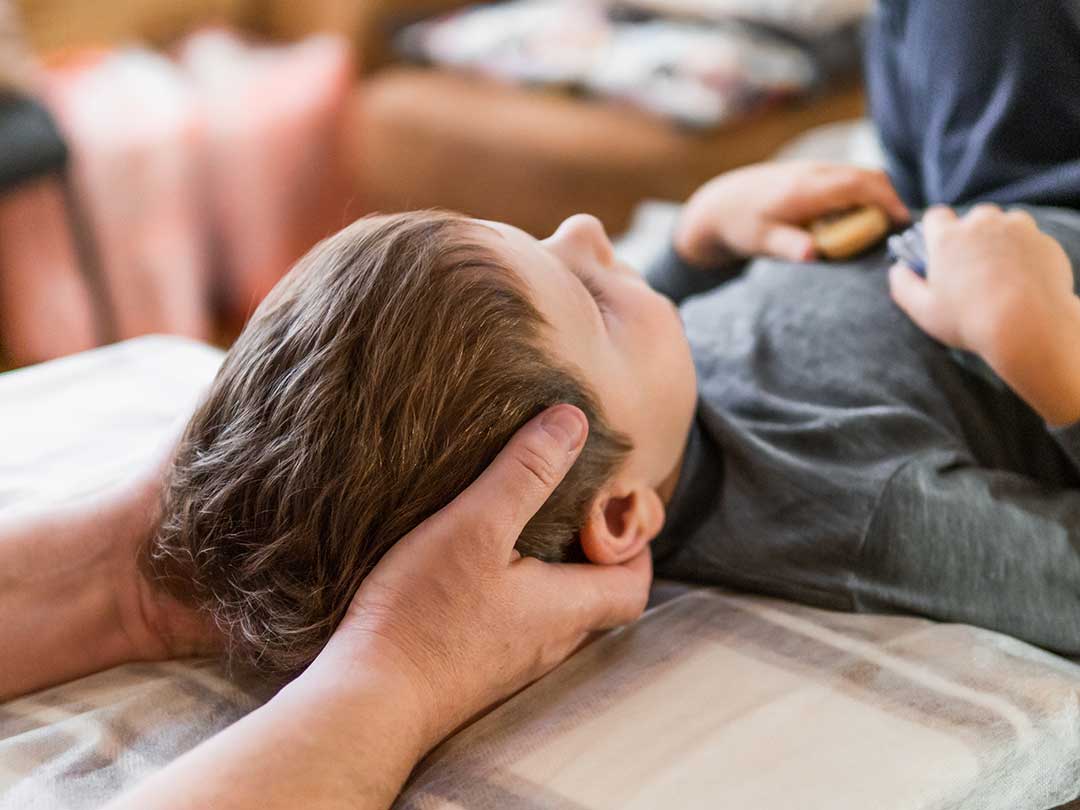
A coordinated plan can address both physical discomfort and anxiety without assuming that one type of care is sufficient for every symptom.
How can someone tell whether symptoms are anxiety or a physical problem?
Anxiety can cause rapid heartbeat, chest tightness, dizziness, sweating, shortness of breath, tingling, nausea, and muscle tension. Those symptoms can also occur with heart, lung, neurological, hormonal, or other medical conditions.
New, severe, unusual, or rapidly worsening symptoms should not automatically be attributed to anxiety. Immediate medical attention is appropriate for symptoms such as severe chest pain, fainting, sudden weakness, new confusion, serious breathing difficulty, or signs of a stroke.
A chiropractic visit is also not the right first step for every headache, neck problem, or episode of dizziness. Recent trauma, fever, unexplained weight loss, progressive weakness, loss of bladder or bowel control, or severe nighttime pain requires medical evaluation.
What questions should a person ask before receiving care?
A person considering chiropractic care for stress-related pain can ask:
- What physical problem is being treated?
- How might this care affect pain or movement?
- What evidence supports the recommended technique?
- Are gentler options available?
- What symptoms would require medical or mental health evaluation?
- How will progress be measured?
- When should treatment be stopped if it is not helping?
It is also useful to share information about osteoporosis, blood-thinning medication, recent surgery, pregnancy, neurological symptoms, previous injuries, and any diagnosed anxiety condition.
Practical steps for local residents
Daily habits often have a greater effect on anxiety than a single treatment. In Middletown, seasonal cold, indoor routines, commuting demands, and long periods of sitting can contribute to stiffness and reduced activity. Short walks, regular stretching, adequate sleep, and gradual exposure to outdoor activity may help support both physical and emotional health.
Reducing caffeine—especially later in the day—may also help people who notice jitteriness, racing thoughts, or poor sleep. Slow breathing can reduce the tendency to brace the shoulders and jaw, although breathing exercises are not a substitute for care when symptoms are severe.
The clearest way to view chiropractic care is as possible support for pain, tension, and movement problems that occur alongside anxiety. It may help the body feel more comfortable, but persistent anxiety deserves treatment directed specifically at mental health symptoms.
