
 See Our Latest Article on HelloNation

Why Do Commutes Trigger Back or Neck Pain for Residents of Middletown, NY?
Spending long periods sitting in traffic, on buses, or trains can strain the spine and supporting muscles. Area commutes may often last longer during school months or after heavy snow, leaving local residents susceptible to stiffness, soreness, and even chronic pain. Poor seat ergonomics, road vibrations, and a lack of movement compound these effects—especially during winter when icy roads in Middletown prolong drive times.
Commuting doesn’t have to mean discomfort. Adopting better posture, small routines, and awareness of commuting habits can help protect your spine, reduce fatigue, and support long-term comfort.
What Are the Basics of Supportive Driving and Commuter Posture?
Maintaining good posture during your commute means actively supporting your spine and avoiding unnecessary strain. Quick tips:
- Adjust seat height so hips are level with or slightly above knees.
- Move the seat forward so you can comfortably reach pedals with knees slightly bent.
- Sit back against the seat with your lower back supported; use a small pillow or rolled towel if needed.
- Keep shoulders relaxed, not tensed or rounded.
- Position hands at 9 and 3 o’clock on the steering wheel to avoid shoulder scrunching.
- If using public transit, sit with both feet flat on the floor and avoid crossing legs.
Neglecting seat position is common, but making small adjustments each season—especially after swapping winter coats for lighter gear—can prevent symptoms from creeping up.
How Can Middletown Residents Stay Comfortable During Longer Commutes?
Extended travel, whether across Orange County or to nearby job hubs, may be unavoidable for some living in Middletown. To minimize spinal strain:
- Take advantage of red lights or delays by gently rolling shoulders, shifting hips, or squeezing shoulder blades together.
- If driving, schedule regular breaks: Even five minutes to get out and stretch during a longer drive can help.
- Hydrate before you leave (but plan for stops), as dehydration can worsen joint and muscle stiffness.
- If possible, alternate your route to include smoother roads; potholes and rough surfaces cause more jarring vibrations to the back.
- In colder seasons, warm up your car before your commute—tense, shivering muscles are more prone to strain.
Commuters using buses or trains can gently shift position, stand up briefly at stops, and choose seats where they’re less likely to slump or brace against sudden starts.
What Local Factors Can Make Commutes More Painful, and How Can They Be Managed?
Middletown winters can bring icy roads, increased potholes, and longer traffic times. These conditions often mean people grip the wheel more tightly or tense their bodies unconsciously when driving.
Strategies:
- Use seat warmers briefly to relax tense lower back muscles (never for prolonged periods).
- Store a small lumbar cushion in your car to add support on days you feel tension building up.
- In snow or freezing rain, anticipate extra delays and leave home earlier to avoid rushing—increased stress and speed often translate to tightened muscles.
- Clear thick winter coats from behind your back when you sit; bulk can misalign posture and lead to aches.
Local bus users may face standing-room only rides during peak times. If you must stand, hold supports with both hands and keep knees slightly bent to absorb motion, protecting your lower back from jerky movements.
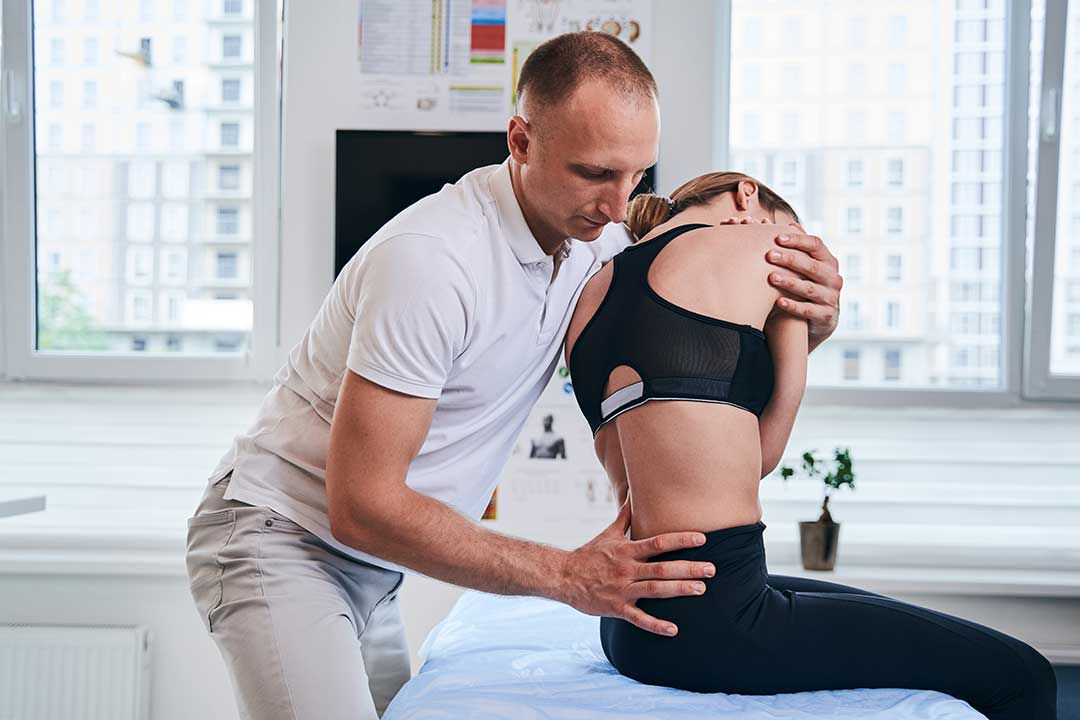
Are There Simple Exercises or Stretches to Ease Commuter Stiffness?
Yes—brief, spine-friendly stretches and movements can help break up periods of stillness and support spinal health. Most can be done discreetly in a parked car, at traffic stops, or while waiting for a bus.
- Gently tilt your head side to side, and forward (chin to chest), holding each position for a few seconds.
- Squeeze shoulder blades together, hold, then relax.
- Rotate your torso gently left and right while sitting (only when parked).
- Lift one knee up toward your chest if space allows, switch sides.
- Do gentle wrist and ankle circles to encourage circulation.
Never stretch aggressively, especially when muscles are cold. Simple movements repeated daily can gradually reduce stiffness.
What Common Misconceptions Cause Commuter Pain to Linger?
Some believe discomfort is just “part of commuting”—yet small changes can prevent many issues. Misconceptions include:
- Only longer commutes cause pain: Even short drives with poor posture can trigger symptoms.
- Seat therapy gadgets can fix everything: Tools like cushions or massagers help, but won’t override poor posture or the need for movement.
- Pain will disappear on its own: Prolonged symptoms may signal underlying issues needing attention, such as sciatica or disc irritation.
Awareness of habits and acting early can help area residents avoid ongoing problems.
When Should a Local Resident Take Commuter Pain More Seriously?
Mild discomfort that fades quickly with movement is usually not concerning. However, experiences such as shooting pain down the leg, persistent numbness, or pain that disrupts sleep or daily activities deserve further attention. These can indicate more significant nerve or disc involvement and shouldn’t be ignored.
Monitoring patterns—such as always feeling pain after a certain stretch of road or always waking up sore after late commutes—can help individuals identify what needs to change.
Commuting is a routine part of life for many in this community. With conscious habits and periodic self-checks, it’s possible to protect spinal health and minimize unwanted pain during this daily task.
