
 See Our Latest Article on HelloNation
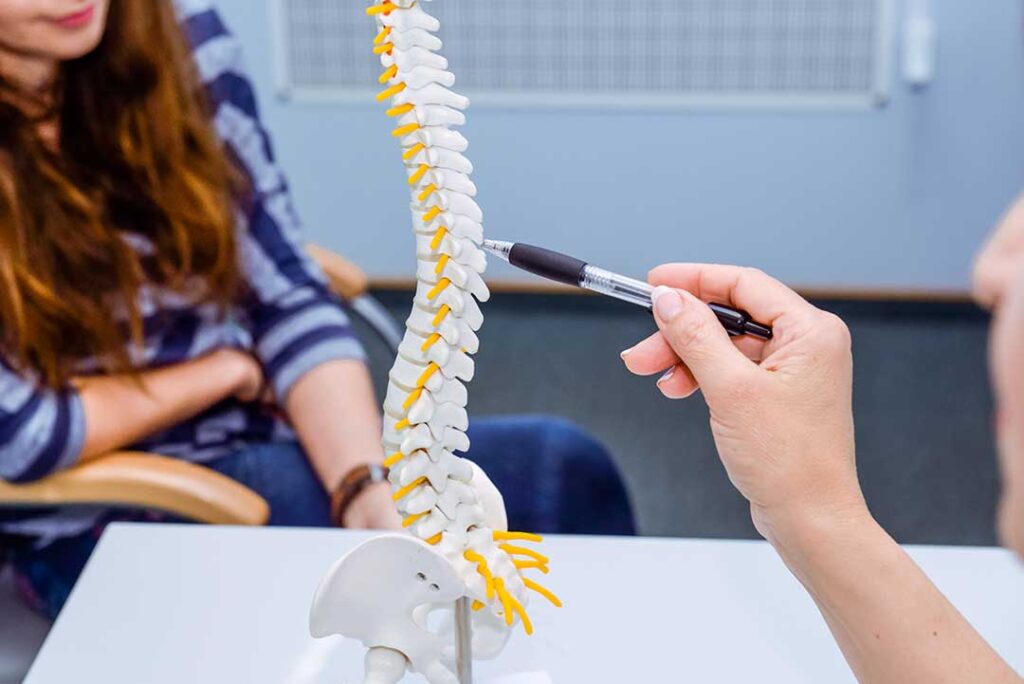
Living in Middletown, NY, means balancing the best of Orange County’s outdoors with the daily hustle—whether commuting to nearby cities, exploring Heritage Trail, or simply managing a busy household. In all of this activity, your body can sometimes send subtle signals that one of your nerves is under pressure. Ignoring these "early warning signs" of nerve compression can lead to bigger, sometimes chronic, issues. Understanding what to look for, especially given the active lifestyle in Middletown, is crucial to catching problems before they progress.
What Is Nerve Compression?
Nerve compression, sometimes called a pinched nerve, occurs when surrounding tissues—such as bones, cartilage, muscles, or tendons—put too much pressure on a nerve. This pressure disrupts the nerve’s function, causing pain, tingling, numbness, or weakness. In a community like Middletown, where repetitive activities can range from gardening in spring to winter sports or even just handling heavy work around the house, these risks can add up.
Why Early Detection Matters in Middletown, NY
The earlier you recognize nerve compression, the more likely you are to avoid long-term complications. Middletown’s climate, its range of manual jobs, and popular activities such as cycling, hiking, and farming can all increase your risk factor for nerve issues. Early recognition enables timely intervention, helping you maintain your active lifestyle without unnecessary pain or inconvenience.
Common Early Warning Signs of Nerve Compression
No matter where you live, certain signs are almost always present when nerve compression begins to develop. Here are key symptoms to keep an eye on, whether you work in an office in Middletown, take long walks at Fancher-Davidge Park, or enjoy home improvement projects:
- Tingling or "Pins and Needles": A sensation often described as “falling asleep” in the hands, arms, legs, or feet. This can happen after repetitive motions—like typing on your laptop at work or gardening in the spring.
- Numbness: Persistent or intermittent lack of sensation in a specific body part. If you’re shoveling snow during Middletown winters and notice numbness in your fingers or wrist, don’t ignore it.
- Pain or Discomfort: Localized pain, especially if it radiates outward from your neck, back, or joints, can signal nerve involvement.
- Muscle Weakness: Difficulty gripping objects, trouble lifting grocery bags, or sudden heaviness in the arm or leg can be a warning sign.
- Loss of Coordination: Being less steady on your feet—maybe when walking around the shops on North Street—could be a subtle sign that nerve compression is impacting sensation or muscle response.
Common Locations and Activities Linked to Nerve Compression
In Middletown, NY, lifestyle patterns can contribute to nerve compression in several common areas:
- Neck (Cervical Spine): Office workers, frequent drivers, and those who spend prolonged hours on computers or mobile devices may notice symptoms in their shoulders, arms, or hands.
- Lower Back (Lumbar Spine): Heavy lifting, landscaping, or warehouse work can place excess stress on the lower back, leading to nerve compression that radiates into the legs (sciatica).
- Wrist (Carpal Tunnel Syndrome): Keyboard use, crafts, local art projects, or repeated wrist motions—common in many Middletown jobs and hobbies—can lead to carpal tunnel symptoms.
When to Seek Help
While mild, temporary symptoms may resolve on their own, persistent warning signs should not be ignored. You should reach out to a healthcare provider or chiropractor in Middletown if you experience:
- Numbness or tingling that lasts more than a few days
- Weakness in the limbs
- Loss of coordination or balance
- Severe pain that interrupts normal activity or sleep
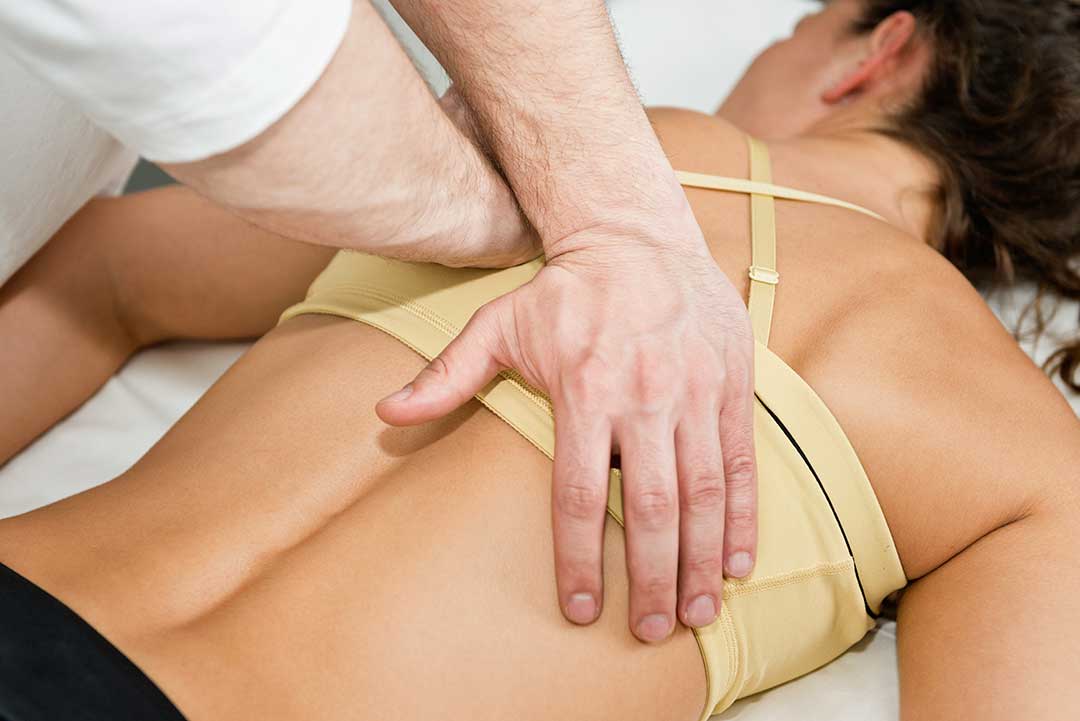
Addressing these issues early, with proper diagnosis and treatment, can save you from long-term complications. Chiropractic care, physical therapy, and ergonomic advice all play a role in restoring nerve function and preventing recurrence.
Simple Steps Middletown Residents Can Take
Proactive measures can help you avoid the disruption of nerve compression:
- Ergonomic Adjustments: Use supportive chairs, adjust your computer screen’s height, or review your workspace setup to reduce strain.
- Frequent Breaks: Take short breaks during repetitive activities—whether working at your desk, hiking in Highland Lakes State Park, or performing household chores.
- Stretching and Strengthening: Incorporate gentle stretching and strengthening exercises targeted at your most vulnerable areas. Many local gyms and wellness studios in Middletown offer classes and guidance.
- Stay Active, Stay Mindful: Outdoor activities are great, but make sure to warm up, cool down, and vary your routines to avoid repetitive strain.
Local Resources and Support
Middletown, NY is home to a vibrant health and wellness community. Local chiropractors, physical therapists, and medical practitioners are experienced in diagnosing and treating nerve compression. Don’t hesitate to reach out for an evaluation if you suspect something is amiss.
Conclusion
Nerve compression is a common but manageable problem—especially when caught early. By staying alert to the early warning signs and seeking guidance from a trusted health professional in Middletown, you can enjoy everything your hometown has to offer without letting pain or weakness hold you back. Listen to your body, take preventive steps, and make the most of Middletown’s active lifestyle while protecting your nerve health.
