
 See Our Latest Article on HelloNation
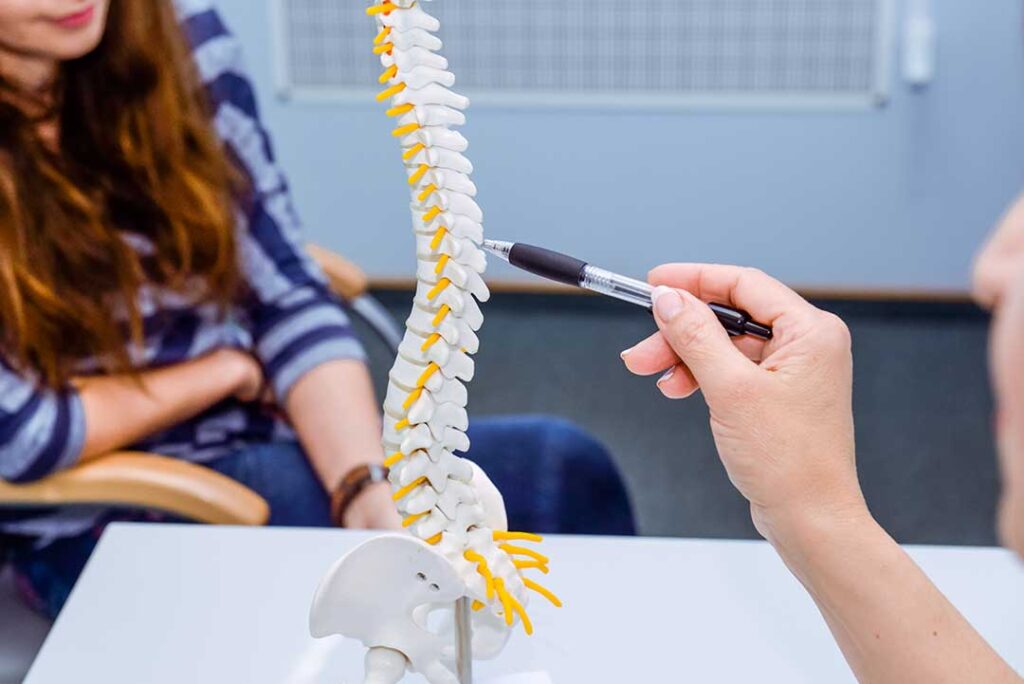
Digestive complaints such as constipation, bloating, abdominal discomfort, and changes in bowel habits are common among residents of Middletown, NY. Some people wonder whether chiropractic care can improve these symptoms.
The short answer is that chiropractic care may support comfort and movement in some situations, especially when digestive complaints occur alongside back pain, muscle tension, reduced activity, or stress. However, current evidence does not establish spinal adjustments as a direct treatment for most digestive diseases. Persistent or concerning digestive symptoms should be medically evaluated rather than attributed to a spinal problem.
Can chiropractic care directly treat constipation, gas, or reflux?
Generally, no. Chiropractic adjustments do not replace diagnosis or treatment for conditions such as inflammatory bowel disease, celiac disease, gastrointestinal bleeding, intestinal obstruction, ulcers, infections, or medication-related digestive problems.
The digestive tract is influenced by the nervous system, hormones, diet, physical activity, hydration, sleep, and emotional stress. Because the spine and nervous system are connected, some people report changes in comfort or bowel habits after manual care. These reports do not prove that an adjustment corrected the underlying digestive condition.
For example, a person with low back pain may become less active, sit for long periods, breathe shallowly, or tense the abdominal and pelvic muscles. Those changes may contribute to discomfort or constipation. Improving general movement and reducing musculoskeletal pain may help that person feel better, but it is different from treating a disease of the digestive tract.
What digestive symptoms might improve indirectly?
Chiropractic care may be most reasonable as part of a broader plan when symptoms are mild, stable, and connected with musculoskeletal issues or lifestyle changes.
Potential indirect benefits may include:
- Less back or rib-area discomfort that makes walking and daily activity easier
- Improved tolerance for gentle movement and exercise
- Reduced muscle tension associated with prolonged sitting or physical work
- Better awareness of posture, breathing, and body mechanics
- Support for relaxation when stress contributes to abdominal tension
Regular movement can support normal bowel function. In Middletown, seasonal conditions may also affect routines. Cold weather, snow, icy sidewalks, or long periods spent indoors can reduce walking and outdoor activity. During these periods, safe indoor movement, adequate fluids, and consistent meal and bathroom routines may be more relevant to constipation than spinal treatment alone.
What does the evidence say about chiropractic treatment for digestive disorders?
Evidence for chiropractic care as a treatment for digestive disorders is limited and not strong enough to support broad claims. Research on manual therapy and gastrointestinal symptoms is varied, often involves small studies, and does not consistently show that spinal manipulation treats the cause of constipation, irritable bowel syndrome, reflux, or other digestive conditions.
Irritable bowel syndrome, for example, is a disorder involving abdominal pain and changes in bowel habits without an identifiable structural explanation in many cases. Its management may include dietary adjustments, soluble fiber, hydration, physical activity, sleep improvement, stress-focused therapies, and medication when appropriate. Chiropractic care may be considered a complementary approach for associated back or muscle pain, but it should not be presented as a proven cure for IBS.
A cautious approach is especially important when someone is considering a restrictive diet, supplements, abdominal manipulation, or repeated spinal treatment based only on digestive symptoms.
Could the nervous system or stress affect digestion?
Yes. The brain and digestive tract communicate continuously through the nervous system. Stress can affect gut movement, sensitivity, muscle tension, appetite, and the perception of bloating or pain. Poor sleep and anxiety may also worsen symptoms.
This does not mean digestive symptoms are imaginary. It means that several body systems may contribute to them at the same time. A plan that includes gentle exercise, regular sleep, breathing exercises, stress management, and appropriate medical care may be more useful than focusing on the spine alone.
For some people, reducing back pain through conservative musculoskeletal care makes it easier to walk, stretch, sleep, or participate in daily activities. Those improvements may support overall well-being without proving that chiropractic care directly changed digestion.
When should digestive symptoms be medically evaluated first?
Digestive symptoms deserve medical attention when they are new, persistent, worsening, or interfering with daily life. Medical evaluation is particularly important before manual treatment when symptoms could indicate a condition requiring testing or urgent care.
Seek prompt medical attention for:
- Blood in the stool, black or tarry stool, or vomiting blood
- Severe, constant, or rapidly worsening abdominal pain
- Repeated vomiting or inability to keep fluids down
- Fever with significant abdominal symptoms
- A swollen abdomen with inability to pass stool or gas
- Unexplained weight loss
- Fainting, marked weakness, confusion, or signs of dehydration
- New digestive symptoms in a person with a significant family history of bowel disease or cancer

Constipation accompanied by constant abdominal pain, vomiting, fever, bleeding, or inability to pass gas should not be managed with spinal manipulation alone. These symptoms may indicate obstruction, infection, inflammation, or another condition requiring timely assessment.
What information should a person track?
A simple symptom record can help clarify patterns. For one to two weeks, note:
- Bowel movement frequency and stool consistency
- Abdominal pain, bloating, nausea, or heartburn
- Meals, caffeine, alcohol, and fiber intake
- Fluid intake and physical activity
- Sleep quality and major stressors
- New medicines, supplements, or changes in dosage
- Whether symptoms improve or worsen after movement
This information can help distinguish an occasional change in bowel habits from a recurring pattern. It may also reveal practical contributors such as low fluid intake, reduced activity, travel, medication changes, or a sudden increase in fiber.
How can chiropractic care fit safely into digestive health?
Chiropractic care may have a supporting role when the main problem is musculoskeletal pain, restricted movement, or tension that affects activity and comfort. It should be viewed as complementary rather than a replacement for medical evaluation, dietary guidance, medication management, or treatment from a digestive health specialist.
A careful approach includes sharing the full symptom history, including abdominal pain, bowel changes, prior surgeries, pregnancy, medications, and any warning signs. A practitioner should not claim that an adjustment can “realign” the digestive organs, cure a gastrointestinal disease, or make medical testing unnecessary.
For local residents, the most practical approach is to treat digestive health as a whole-body issue: maintain regular movement through changing seasons, drink adequate fluids, eat a balanced diet, avoid unnecessary restrictions, and seek medical assessment when symptoms persist or show warning signs. Chiropractic care may help with related back or muscle symptoms, but digestive complaints should be evaluated on their own terms.
