
 See Our Latest Article on HelloNation

What is the Graston Technique?
The Graston Technique is a form of instrument-assisted soft-tissue mobilization, often abbreviated as IASTM. It uses smooth, specialized tools to apply controlled pressure and gliding movements over muscles, tendons, ligaments, and related connective tissues.
The technique is intended to complement a broader musculoskeletal care plan. It is not the same as spinal adjustment, massage therapy, or a stand-alone cure for an injury. In chiropractic care, it may be used alongside movement assessment, exercise, joint mobilization, education, and activity changes.
The instruments are commonly made of stainless steel or another firm material. Their shape allows the practitioner to apply pressure with more precision than with the hands alone. Treatment may focus on a painful area or on nearby tissues that affect movement.
How is it supposed to work?
The proposed goal is to improve the way soft tissues move relative to one another and to reduce sensitivity or stiffness that may limit normal motion. A practitioner may use the instrument along the length of a muscle or tendon, across a restricted area, or around scar tissue after an appropriate stage of healing.
Some people notice a short-term increase in mobility after treatment. Others experience reduced tenderness or easier movement over the following day or two. These responses can vary significantly depending on the condition, the amount of pressure used, the person’s sensitivity, and whether the treatment is paired with exercise.
The biological explanations sometimes used to describe IASTM—such as breaking up adhesions or reshaping scar tissue—should not be treated as established explanations for every patient. Research is still developing, and the clinical benefit appears to depend more on the complete treatment plan than on the instrument alone.
What conditions might it be used for?
Instrument-assisted soft-tissue care may be considered for selected muscle and tendon problems, restrictions in range of motion, and some persistent areas of soft-tissue discomfort. Examples can include:
- Tendon irritation involving the elbow, shoulder, knee, or ankle
- Muscle tightness after repetitive activity
- Scar-related stiffness after healing
- Limited flexibility following an injury
- Movement restrictions associated with overuse
- Certain sports-related strains or activity-related aches
The technique is not appropriate for every diagnosis. Pain caused by a fracture, infection, nerve compression, blood clot, serious joint disease, or an internal medical condition requires a different evaluation. A treatment that feels appropriate for a tight calf, for example, may be unsafe if calf pain is actually related to a vascular problem.
For residents in Middletown, seasonal activities may influence how soft-tissue problems develop. Shoveling, snow removal, winter recreation, home maintenance, prolonged driving, and returning abruptly to outdoor exercise can all place unusual demands on tissues that are not conditioned for them.
What does a treatment session feel like?
Most people describe the sensation as firm pressure, scraping, pulling, or a focused massage-like feeling. Mild discomfort can occur, but treatment should not be needlessly painful. Clear communication matters, particularly if the area feels sharp, burning, numb, or unusually sensitive.
Temporary redness, tenderness, or small bruise-like spots may occur after treatment. These marks are sometimes called petechiae. Their presence does not prove that the treatment was effective, and more pressure is not necessarily better. Significant bruising, increasing pain, swelling, or loss of function should be reported rather than ignored.
A typical session may include:
1. A discussion of symptoms, activity, medical history, and medications
2. Movement testing or examination of the involved region
3. Gentle preparation of the skin and surrounding tissues
4. Instrument-assisted strokes applied for a limited period
5. Reassessment of movement, pain, or function
6. Home exercises or activity guidance
The reassessment is useful because it helps determine whether a short-term change actually occurred. A treatment should not be judged only by how intense it felt.
Does the research show that it works?
Evidence for IASTM is mixed but has become more informative over time. Some controlled studies and reviews suggest that it may improve short-term range of motion and may reduce pain or improve self-reported function for certain musculoskeletal conditions. Other reviews have found small, inconsistent, or uncertain benefits, particularly when the technique is compared with other active treatments.
Several limitations affect the research. Studies use different instruments, treatment schedules, pressure levels, diagnoses, and comparison groups. Some examine only immediate results, while others follow patients for a longer period. Because of this variation, results from one condition should not automatically be applied to another.
The most reasonable interpretation is that the Graston Technique may be a useful addition for selected patients, but it should not replace progressive exercise, appropriate loading, sleep, recovery, or evaluation of the underlying cause. Improvements in strength and long-term function generally require active rehabilitation rather than passive treatment alone.
Who should use caution?
Extra caution is appropriate for people with conditions or medications that increase bleeding or skin injury risk. This may include certain blood-thinning medicines, bleeding disorders, fragile skin, uncontrolled diabetes-related complications, or significant circulation problems.
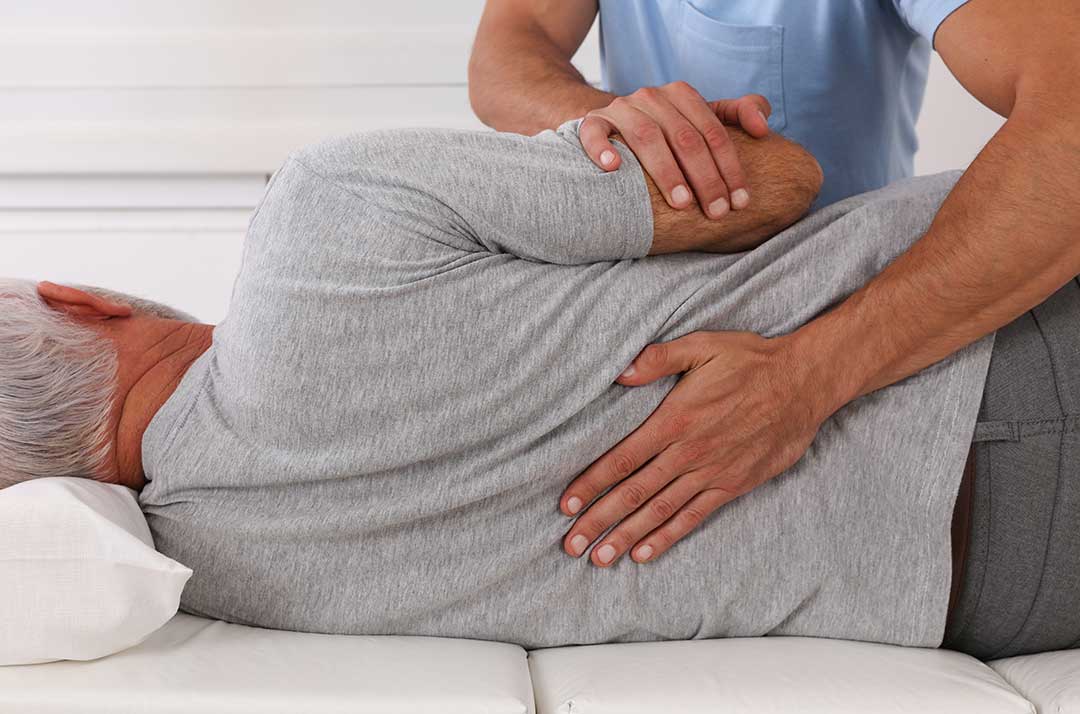
Treatment may also need to be delayed or modified over:
- Open wounds, rashes, or active skin infections
- Fresh surgical sites
- Unhealed fractures
- Areas with severe swelling or unexplained bruising
- Known tumors
- Suspected blood clots
- Regions with reduced sensation
Pregnancy does not automatically rule out soft-tissue treatment, but the technique and body regions treated should be individualized. A complete health history is important, especially when symptoms are new, severe, or not clearly related to movement.
Urgent medical evaluation is more appropriate than soft-tissue treatment when pain is accompanied by chest discomfort, difficulty breathing, sudden weakness, fainting, fever, rapidly increasing swelling, or a cold or discolored limb.
How should people prepare and recover?
Arriving hydrated and wearing clothing that allows access to the affected area can make an assessment easier. It is helpful to describe the activities that trigger symptoms, including work tasks, exercise, driving, household projects, and seasonal chores.
After treatment, normal gentle movement is often preferable to complete rest, unless specific restrictions have been provided. Heavy exercise, aggressive stretching, or repeated self-massage over a tender area may increase irritation. The appropriate next step may be a gradual strengthening program, mobility work, improved technique, or a temporary change in activity volume.
A useful question is not simply, “Did the tool hurt?” A better question is, “Can the affected area move or function better over the next several days?” That longer view helps distinguish a temporary sensation from meaningful progress.
What should a reasonable treatment plan include?
A sound plan should connect the technique to a clearly described problem and measurable goal. That goal might be improved ankle motion, easier stair use, better tolerance for lifting, or a gradual return to recreational activity.
The plan should also explain what happens if symptoms do not improve. Persistent pain, repeated flare-ups, night pain, progressive weakness, or symptoms that do not behave like a typical muscle or tendon problem may require a different medical evaluation.
For local households managing work, commuting, winter conditions, and home responsibilities, the most practical approach is usually a combination of symptom monitoring, appropriately paced activity, and exercises that restore capacity. Instrument-assisted treatment may have a role, but its value depends on whether it supports those larger goals.
