
 See Our Latest Article on HelloNation
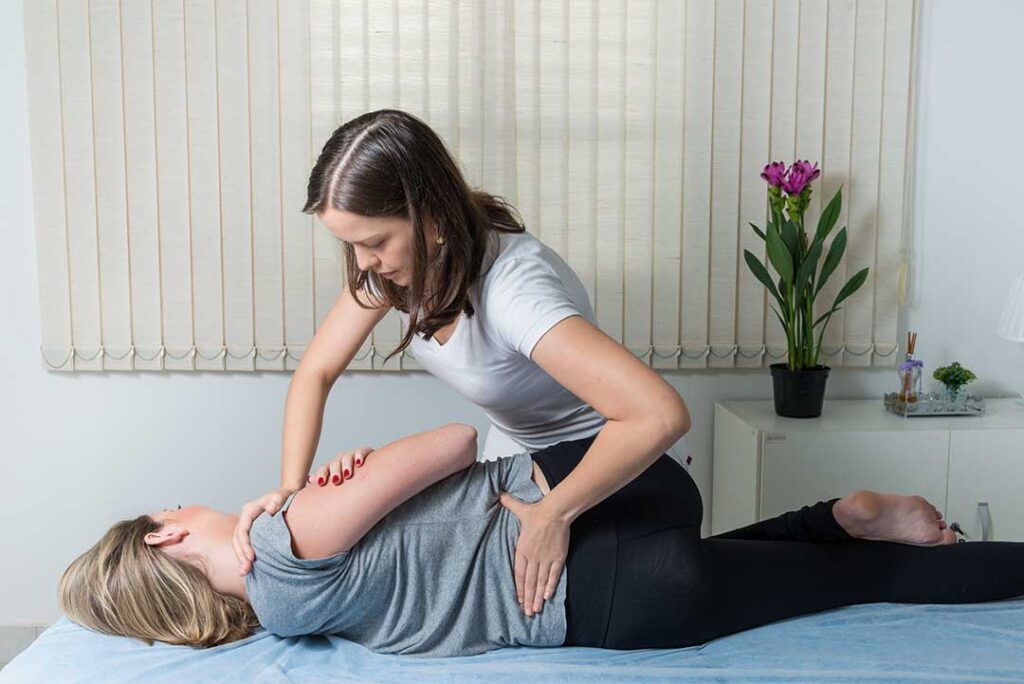
Can chiropractic adjustments help with PMS symptoms?
Chiropractic adjustments may help some people manage musculoskeletal symptoms that occur before or during a period, such as low-back discomfort, pelvic-area tension, neck pain, or general stiffness. However, current evidence does not establish spinal adjustments as a reliable treatment for PMS itself.
Premenstrual syndrome, or PMS, includes a combination of physical, emotional, and behavioral symptoms that recur during the days or weeks before menstruation. Common symptoms include:
- Abdominal cramping
- Low-back pain
- Headaches
- Breast tenderness
- Bloating
- Fatigue
- Irritability or mood changes
- Sleep difficulty
- Food cravings
- Trouble concentrating
An adjustment may influence pain coming from joints, muscles, or the spine. It does not correct the hormonal changes that drive PMS, and it should not be presented as a cure for hormone-related symptoms.
What might an adjustment help with?
The most plausible benefit is relief of related muscle and joint discomfort rather than treatment of PMS as a whole.
For example, some people develop increased tension in the lower back, hips, or abdominal wall before menstruation. Others may change their posture because of cramping, breast tenderness, fatigue, or bloating. Those changes can place additional stress on the back and pelvis.
A chiropractic evaluation may identify whether pain appears to be coming primarily from:
- The lumbar spine
- The sacroiliac joints
- The hips
- Tight or overworked muscles
- Postural strain
- A separate back condition that happens to worsen before a period
If the discomfort has a musculoskeletal component, hands-on care, movement advice, stretching, or other conservative strategies may provide short-term relief. The improvement may be real even if the treatment is not changing the underlying menstrual cycle.
This distinction matters. Relief of low-back pain is different from proving that an adjustment reduces irritability, breast tenderness, bloating, heavy bleeding, or other hormone-related symptoms.
What does the research show?
Research on chiropractic adjustments specifically for PMS is limited and not strong enough to support a firm claim of effectiveness. Studies involving spinal manipulation and menstrual pain have generally been small, inconsistent, or unable to show clear benefit.
Evidence for spinal manipulation is stronger for certain musculoskeletal problems, particularly some types of low-back pain, than for gynecologic or hormone-related conditions. PMS is a different medical issue from ordinary mechanical back pain.
That means a person may reasonably consider chiropractic care for back or joint discomfort occurring around the menstrual cycle, but it should be viewed as one possible supportive approach rather than a primary PMS treatment.
A useful question is: Which symptom is being treated? If the main problem is back stiffness, a musculoskeletal evaluation may be appropriate. If the main problem is severe mood change, very heavy bleeding, disabling cramps, or symptoms that affect work and relationships, medical evaluation should take priority.
How is PMS usually managed?
Management depends on the symptoms, their severity, and whether another condition may be responsible. Regular physical activity can help some people with mood symptoms, fatigue, and general discomfort. Adequate sleep, regular meals, hydration, and reducing excess alcohol or caffeine may also be useful.
For pain, some people use over-the-counter anti-inflammatory medicines such as ibuprofen or naproxen. These medications are not appropriate for everyone, especially people with a history of stomach ulcers, kidney disease, certain cardiovascular problems, medication interactions, or pregnancy concerns. A pharmacist or medical clinician can help determine whether a medicine is safe.
Other treatments may include hormonal medication, antidepressant medication, or targeted treatment for a related condition. The appropriate option depends on the pattern and severity of symptoms.
Tracking symptoms for at least two menstrual cycles can make the pattern easier to understand. A simple record can include:
- The first and last day of each period
- Pain location and intensity
- Mood and anxiety changes
- Sleep quality
- Headaches, bloating, or breast tenderness
- Medication use
- Effects on school, work, exercise, or relationships

A symptom diary can help distinguish PMS from symptoms that occur throughout the month.
Could it be something other than PMS?
Not every recurring period-related symptom is ordinary PMS. Severe cramps may be associated with endometriosis, adenomyosis, fibroids, pelvic infection, or other conditions. Persistent pelvic pain, pain during sex, infertility concerns, or pain that continues after menstruation may require a gynecologic evaluation.
Premenstrual dysphoric disorder, or PMDD, is a more severe condition involving pronounced mood symptoms such as depression, anger, anxiety, or emotional sensitivity during the premenstrual phase. Symptoms may substantially interfere with daily life.
Back pain that appears before a period can also have causes unrelated to the menstrual cycle, including disc problems, arthritis, muscle strain, kidney conditions, or nerve irritation. An adjustment should not delay evaluation of symptoms that are unusual, severe, or progressively worsening.
Is chiropractic care safe for everyone?
Spinal manipulation is generally associated with temporary side effects such as soreness, stiffness, headache, or increased discomfort. Serious complications are uncommon but can occur, particularly with certain medical conditions or types of manipulation.
A complete health history matters. Extra caution may be needed with osteoporosis, recent fractures, inflammatory arthritis, bleeding disorders, cancer involving the bones, infection, significant neurologic symptoms, or recent surgery. Pregnancy, recent childbirth, and use of blood-thinning medication should also be disclosed before hands-on treatment.
High-velocity neck manipulation deserves particular caution because the neck has different risks from the lower back. People should understand what technique is being proposed and why it is being recommended.
Chiropractic care should not replace evaluation for heavy bleeding, fainting, sudden severe pelvic pain, fever, new weakness, loss of bladder or bowel control, or severe depression. These symptoms require prompt medical attention.
How can residents track whether it is helping?
If someone chooses to try chiropractic care for back or joint symptoms that worsen before menstruation, the most useful approach is to define a specific goal. Examples include being able to sit through a workday with less back pain, walking more comfortably, or reducing stiffness for several days each month.
Progress can be monitored by recording:
- Pain level before and after care
- How long any improvement lasts
- Ability to exercise or complete daily activities
- Use of pain medication
- Other PMS symptoms that did not change
If there is no meaningful improvement after a reasonable trial, continuing indefinitely may not be useful. A symptom that repeatedly returns, becomes more intense, or begins affecting daily function deserves broader medical assessment.
For people in Middletown, seasonal routines may also influence symptoms. Cold weather can reduce outdoor activity, while long periods of sitting, commuting, household responsibilities, or disrupted sleep can increase muscle tension and fatigue. These factors may overlap with PMS and make it harder to identify the true source of discomfort.
The most accurate answer is that chiropractic adjustments may help some menstrual-related back or muscle pain, but evidence is insufficient to say that they treat PMS itself. A balanced plan usually combines symptom tracking, regular movement, appropriate pain management, and medical evaluation when symptoms are severe, unusual, or disruptive.
