
 See Our Latest Article on HelloNation
A clicking, popping, or grinding sound in the neck is common and often harmless, especially when it occurs without pain or other symptoms. The sound may come from normal movement inside a joint, tendons or ligaments shifting, muscle tension, or age-related changes in the cervical spine.
The medical term for joint sounds is crepitus. Neck crepitus can sound like a soft pop, a series of clicks, or a rough grinding sensation when turning or tilting the head.
What causes clicking in the neck?
Most neck clicking comes from pressure changes in the small joints between the neck vertebrae or from nearby soft tissues moving as the head changes position.
Several mechanisms may be involved:
- Pressure changes in a joint: Small gas bubbles can form or shift within joint fluid, producing a popping sound during movement.
- Tendons or ligaments moving: A tendon or ligament may briefly move over a nearby bone, creating a snapping or clicking sensation.
- Joint surfaces changing with age: Cartilage and other joint structures can gradually change over time, sometimes causing more noticeable cracking or grinding.
- Muscle tightness: Tight muscles may alter how the neck moves, making ordinary joint sounds easier to hear or feel.
- Recent strain or injury: A muscle strain, sprain, or whiplash-type injury may cause stiffness and unusual noises during recovery.
The sound does not necessarily mean that bones are rubbing together or that the neck is being damaged. The meaning depends largely on whether clicking occurs with pain, restricted movement, neurological symptoms, or a recent injury.
Is neck clicking normal if there is no pain?
Occasional clicking without pain is usually not a sign of a serious problem. Some people notice it when looking over a shoulder, getting out of bed, changing posture, or turning the head while driving.
A painless sound that has remained stable over time is generally less concerning than a new or rapidly worsening noise. Even so, repeated forceful neck cracking is different from ordinary movement-related clicking. Deliberately twisting or pulling the neck to produce a pop can strain muscles and connective tissues. Repeated forceful manipulation may also contribute to joint looseness or irritation.
A useful distinction is whether the neck clicks on its own during normal movement or whether a person feels compelled to force it repeatedly to relieve pressure. Frequent urges to crack the neck may be related to stiffness, muscle fatigue, posture, stress, or an underlying neck problem.
Can poor posture contribute to clicking?
Yes. Long periods with the head tipped forward can increase the workload on the muscles and joints of the neck. This may happen while looking down at a phone, reading, using a laptop, sewing, driving, or doing detailed work.
In Middletown, seasonal routines may also affect symptoms. Cold weather can lead some people to spend more time indoors, sit for longer periods, or tense the shoulders. Snow removal, home maintenance, yard work, and other physically demanding tasks may place additional strain on the neck and upper back.
Posture is rarely the only cause of clicking, but it can make stiffness and muscle tension more noticeable. Helpful habits include:
- Keeping frequently used screens closer to eye level
- Changing positions regularly instead of holding the neck still for hours
- Supporting the forearms during desk or computer work
- Avoiding prolonged shoulder hunching
- Using gentle, comfortable neck movements rather than forceful stretching
These steps may reduce stiffness, but they do not need to eliminate every normal joint sound.
Does neck clicking mean arthritis?
Not necessarily. Neck clicking alone does not prove that arthritis is present.
Arthritis and other age-related changes can contribute to grinding, stiffness, or reduced motion, particularly in adults who also have persistent pain. However, joint noises can occur in people without significant arthritis. A sound is only one part of the overall picture.
Symptoms that make age-related joint changes more relevant include:
- Ongoing neck pain or stiffness
- Reduced ability to turn the head
- Pain that worsens after activity or prolonged positioning
- Grinding that is accompanied by tenderness or swelling
- Symptoms that gradually become more frequent or limiting
A health professional may consider the history and physical examination before deciding whether imaging or additional evaluation is appropriate.
When should neck clicking be evaluated?
Neck clicking deserves medical attention when it is accompanied by pain, neurological symptoms, or a significant change after an injury. Important warning signs include:

- Numbness, tingling, or weakness in an arm or hand
- Pain that travels from the neck into the shoulder, arm, or hand
- Loss of balance, clumsiness, or difficulty with coordination
- Severe or increasing stiffness after a fall, collision, or sports injury
- Headache that begins suddenly after forceful neck movement
- Dizziness, vision changes, trouble speaking, or unusual facial symptoms
- Fever, severe illness, or a stiff neck that develops rapidly
- Loss of bladder or bowel control along with significant spine symptoms
Some of these symptoms can indicate nerve irritation, spinal cord involvement, infection, or a vascular emergency. Sudden neurological symptoms after forceful neck movement require urgent medical evaluation.
What can someone do at home?
For mild, painless clicking, the safest approach is usually to avoid provoking it and observe whether it changes. Gentle movement is generally preferable to immobilizing the neck or repeatedly trying to make it crack.
For temporary stiffness, people may find it helpful to:
- Use comfortable heat for short periods
- Take brief movement breaks during desk or screen work
- Keep daily activities within a tolerable range
- Adjust sleep positioning if the neck feels strained in the morning
- Avoid sudden, forceful rotation or pulling
- Notice whether certain tasks consistently trigger symptoms
Over-the-counter pain medicine may not be appropriate for everyone, particularly people with kidney disease, ulcers, blood-thinning medication use, pregnancy, or other medical conditions. Medication questions are best discussed with a qualified healthcare professional or pharmacist.
Can a chiropractor evaluate neck clicking?
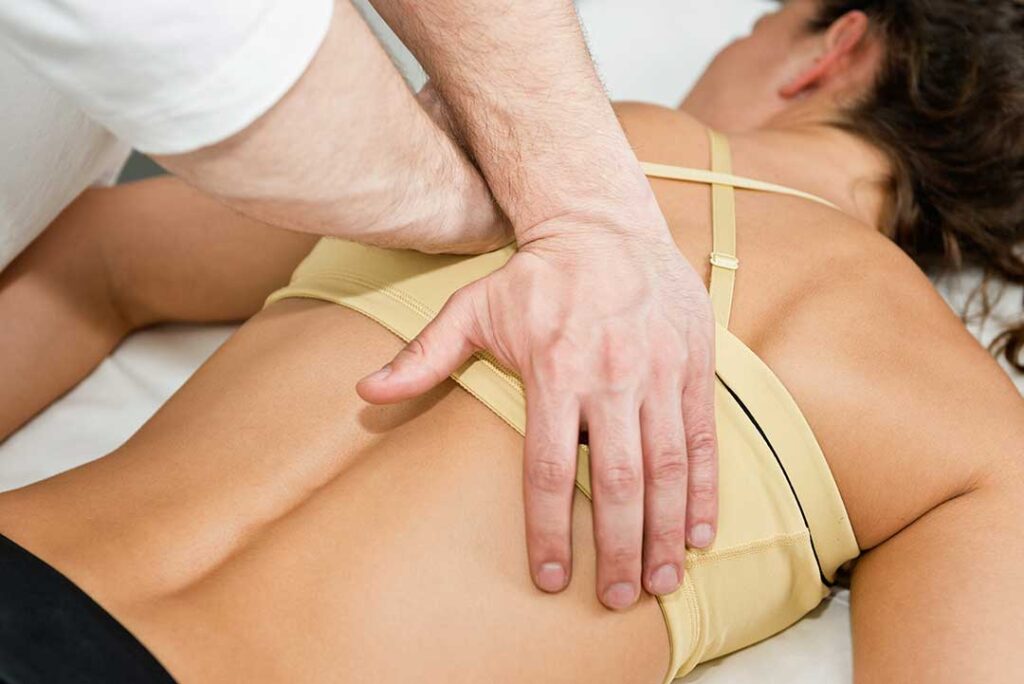
A chiropractor or other qualified healthcare professional can assess how the neck moves, review the timing of symptoms, and look for signs of muscle, joint, or nerve involvement. The evaluation should include questions about injuries, headaches, arm symptoms, work habits, and activities that make the clicking better or worse.
Neck manipulation is not appropriate for every person or every cause of clicking. A careful assessment is especially important after trauma, when symptoms are worsening, or when numbness, weakness, dizziness, or severe headache is present. In those situations, identifying the cause and ruling out urgent conditions takes priority over attempting to reproduce the sound.
The key question is not simply, “Does the neck click?” It is whether the clicking is painful, new, progressive, associated with restricted movement, or accompanied by symptoms beyond the neck.
