
 See Our Latest Article on HelloNation
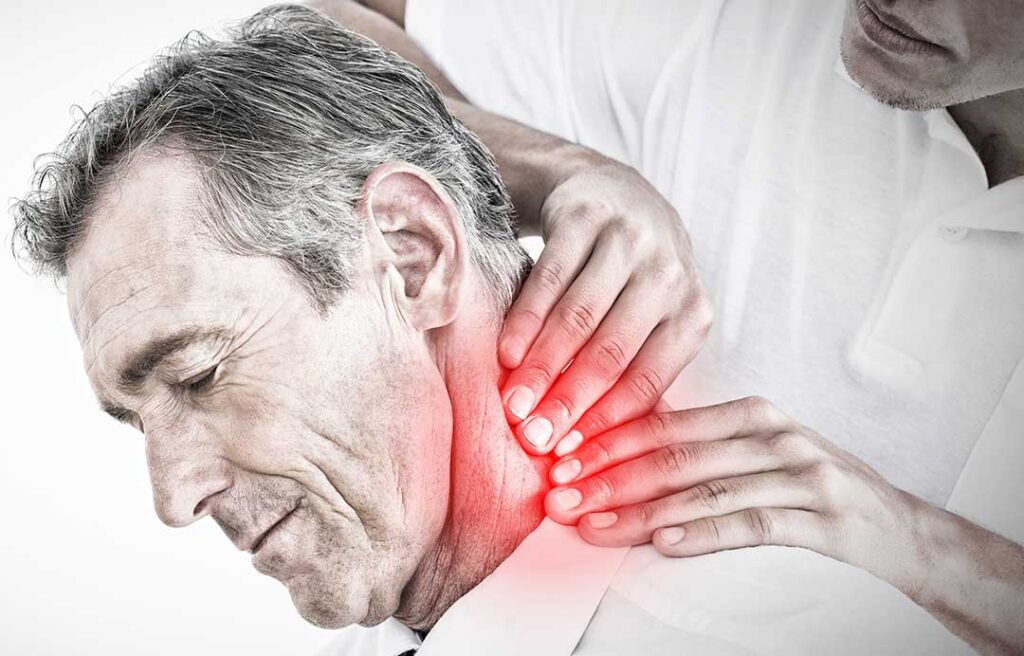
Scoliosis is a sideways curvature of the spine that may also involve rotation of the vertebrae. For people in Middletown, NY, a common question is whether chiropractic care can straighten the spine, prevent worsening, or reduce discomfort. The most accurate answer is that chiropractic care may help with certain symptoms and movement limitations, but it has not been proven to correct scoliosis permanently or replace medically indicated monitoring, bracing, or surgery.
What is scoliosis?
Scoliosis is generally identified when the spine curves at least 10 degrees and includes some rotation. It may develop during childhood or adolescence, result from age-related changes, or occur because of another condition.
Some people have no symptoms and learn about the curve during a routine examination. Others may notice:
- Uneven shoulders or hips
- One shoulder blade appearing more prominent
- Clothing hanging unevenly
- A waistline that looks different from one side to the other
- Back fatigue after standing or sitting
- Muscle tightness or aching
- Numbness, tingling, or leg weakness in more complicated cases
A visible asymmetry does not always indicate scoliosis. Differences in leg length, hip position, muscle tension, posture, or movement habits can create a similar appearance. A physical examination and, when appropriate, imaging are needed to determine whether a structural curve is present.
Can chiropractic care correct scoliosis?
Chiropractic adjustments have not been reliably shown to permanently straighten a structural scoliosis curve. Existing research on spinal manipulation for scoliosis is limited, and studies have generally involved small groups, inconsistent treatment methods, or no long-term comparison group.
That does not mean chiropractic care has no possible role. A carefully designed plan may help some people improve:
- Spinal and hip mobility
- Muscle comfort
- Tolerance for standing, walking, or sitting
- Coordination and body awareness
- Function during daily activities
These potential benefits are different from changing the underlying angle of the curve. A person may feel better without the scoliosis itself being corrected.
Claims that an adjustment can “put the spine back in place” or permanently eliminate scoliosis should be viewed cautiously. Structural scoliosis is more complex than a single misaligned joint.
When might chiropractic support be useful?
Chiropractic care may be considered as part of symptom management for selected adults or adolescents, particularly when the main concerns are pain, stiffness, reduced mobility, or difficulty with everyday movement.
Useful care may involve more than hands-on treatment. Depending on the individual, it could include:
- Gentle mobility work
- Strengthening for the trunk, hips, and upper back
- Education about lifting, workstation setup, and sleep positions
- Activity modification during painful flare-ups
- Balance and coordination exercises
- A home movement program
The most reasonable goals are usually improved comfort and function rather than curve correction. Progress should be measured by practical changes, such as walking farther, sitting through a workday, sleeping more comfortably, or returning to normal activity.
High-velocity manipulation may not be appropriate for everyone. The type of curve, age, bone health, symptoms, medications, previous surgery, and other medical conditions should be considered before treatment.
What treatments are commonly used for scoliosis?
Treatment depends on age, cause, curve size, symptoms, and whether the curve is changing over time.
For many children and adolescents with mild curves, observation with periodic examinations is appropriate. During growth, more significant or progressing curves may require bracing. Severe curves may lead to discussion of surgical treatment.
Adults may have adolescent scoliosis that has remained stable, or they may develop degenerative scoliosis as discs, joints, and supporting tissues change with age. Management may include exercise, physical therapy, medication, injections, or surgery when nerve compression or severe disability is present.
Specialized scoliosis exercises may be included in a broader rehabilitation plan. General strengthening and physical activity can also help many people maintain function. Activity is not automatically harmful, and most people do not need to avoid movement solely because they have a spinal curve.
Chiropractic treatment, if used, should fit within this larger picture rather than serve as a substitute for evaluation and follow-up.
Should children with scoliosis receive chiropractic adjustments?

Children and teenagers with a suspected spinal curve should first receive an appropriate medical assessment. Growth is a major factor in determining whether a curve may progress, so delaying evaluation can make it harder to track meaningful changes.
For a young person already diagnosed with scoliosis, chiropractic care may sometimes be used for comfort or mobility, but it should not replace recommended observation, imaging, bracing, or specialist care. Parents may reasonably ask:
- What is the purpose of the treatment?
- Is the goal pain relief, mobility, posture, or curve reduction?
- How will progress be measured?
- Could treatment interfere with scheduled monitoring?
- What findings would require referral to another clinician?
A clear explanation is especially important when a treatment is described as corrective or permanent.
When should someone seek medical evaluation quickly?
Most scoliosis is not an emergency, but certain symptoms warrant prompt medical attention. These include:
- New or worsening leg weakness
- Loss of bladder or bowel control
- Numbness in the groin or inner thighs
- Severe or rapidly increasing pain
- Fever, unexplained weight loss, or unusual fatigue
- Pain that repeatedly wakes someone from sleep
- A curve that appears to be changing quickly
- Scoliosis first noticed after a significant injury
In Middletown, seasonal conditions can add practical challenges. Slippery sidewalks, snow removal, and winter falls may aggravate back pain or create new injuries, but a fall-related change in symptoms should not automatically be attributed to an existing curve.
How can local residents manage symptoms safely?
Daily habits may reduce strain without attempting to “force” the spine straight. Helpful strategies can include changing position regularly, using a supportive work surface, carrying loads evenly, and building activity gradually.
During colder months, people may sit more, walk less, or spend additional time driving. Short movement breaks can help limit stiffness. Household tasks such as shoveling, lifting storage containers, or moving furniture should be approached carefully, especially when pain, weakness, or balance problems are present.
A simple routine might include comfortable walking, gentle range-of-motion exercises, and strengthening that does not increase symptoms. Exercises should be adjusted if pain travels down an arm or leg, causes numbness, or produces unusual weakness.
What is the practical answer about chiropractic care?
Chiropractic care may help some people with scoliosis manage pain, stiffness, and movement limitations. Current evidence does not establish chiropractic adjustments as a dependable way to straighten structural curves or prevent progression.
The safest approach is individualized and measurable: confirm the diagnosis, understand the severity and cause, track symptoms over time, and coordinate care when monitoring or specialized treatment is needed. For children and adolescents, growth-related follow-up is particularly important. For adults, the focus is often comfort, strength, mobility, and preserving independence.
