
 See Our Latest Article on HelloNation

A first chiropractic visit usually begins with a conversation, not an adjustment. The chiropractor will ask about your symptoms, health history, activity level, and goals before deciding whether chiropractic care is appropriate and what type of evaluation or treatment may be suitable.
For residents of Middletown, NY, understanding the usual process can make the visit feel more predictable. Most appointments involve several steps: completing health information, discussing the problem, undergoing a physical examination, reviewing options, and deciding whether treatment should begin that day.
What should you bring to the first visit?
Bring a list of current medications, relevant medical records, and information about previous injuries or diagnostic tests. If you have imaging reports or discs from another healthcare setting, those may also be useful, although new imaging is not automatically necessary.
It helps to be prepared to describe:
- Where the discomfort began and whether it developed suddenly or gradually
- Whether pain travels into an arm, leg, shoulder, or hip
- Numbness, tingling, weakness, dizziness, or changes in balance
- Activities that increase or reduce symptoms
- Previous injuries, surgeries, falls, or car accidents
- Medical conditions such as osteoporosis, arthritis, blood-clotting problems, or cancer
- Recent changes in health, medications, sleep, work, or exercise
Comfortable clothing is generally practical. Clothing that allows reasonable movement and does not restrict the back, neck, shoulders, or legs can make the examination easier. There is usually no need to dress formally or wear special equipment.
What happens during the health history?
The first discussion is designed to identify the nature of the problem and check for conditions that may require another type of medical evaluation. The chiropractor may ask about pain intensity, duration, previous care, work demands, sleep, exercise, and daily activities.
For example, a person who spends long periods driving, lifting household items, working at a desk, or clearing snow may describe different movement patterns than someone with a mostly sedentary routine. Seasonal conditions can also affect activity. Cold weather, icy surfaces, and increased household tasks during winter may contribute to strains or falls, but those details should be considered alongside the person’s full medical history.
The visit should also include questions about symptoms that may indicate nerve involvement. Weakness, progressive numbness, loss of coordination, or changes in bladder or bowel control should be clearly reported rather than treated as ordinary soreness.
What does the physical examination involve?
The examination may include observing posture and walking, checking spinal and joint movement, testing muscle strength, assessing reflexes, and examining areas where pain or stiffness is present. Depending on the complaint, the evaluation may also include neurological screening or orthopedic tests.
The purpose is not simply to identify the most painful spot. Pain can be felt in one area while the source involves nearby joints, muscles, nerves, or movement patterns. A careful examination helps determine whether a chiropractic approach is reasonable, whether care should be modified, or whether further medical assessment is needed.
Blood pressure and other basic measurements may be taken when appropriate. The extent of the examination can vary according to the complaint, age, medical history, and findings during the conversation.
Will an X-ray be taken?
Not every first chiropractic visit requires an X-ray. Imaging is generally considered when the history or examination suggests a fracture, significant injury, unusual bone changes, serious underlying disease, or another condition that cannot be evaluated adequately through examination alone.
Routine imaging for uncomplicated back or neck pain is not always helpful. A responsible evaluation considers whether the result would change treatment or safety decisions. If imaging or another diagnostic test appears necessary, the reason should be explained clearly.
A person with a recent fall, severe trauma, known osteoporosis, persistent fever, unexplained weight loss, a history of cancer, or worsening neurological symptoms should provide those details before any hands-on treatment is considered.
Does treatment happen during the first visit?
Treatment may begin during the first visit, but it does not have to. The decision depends on the examination, the person’s symptoms, risk factors, preferences, and whether enough information has been gathered to proceed safely.
Possible approaches may include:
- Gentle joint movement or mobilization
- Spinal manipulation, sometimes called an adjustment
- Soft-tissue techniques
- Stretching or movement instruction
- Heat, cold, or other supportive measures
- Exercises intended to improve strength, mobility, or daily function
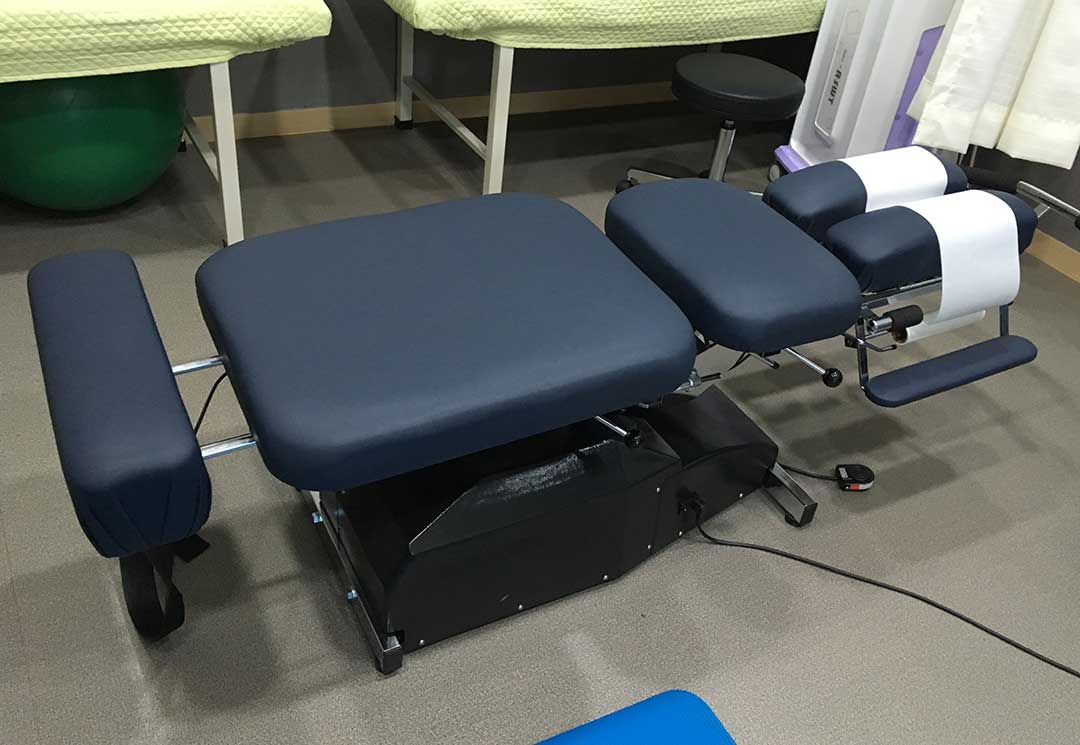
An adjustment involves a controlled movement applied to a joint. Some techniques produce a popping sound caused by changes in pressure within the joint; the sound is not proof that a bone has been “put back into place.” Treatment should not be forced, and a person can ask for a gentler technique or decline a particular procedure.
Before treatment, the provider should explain what is being proposed, what it may feel like, possible risks, and alternatives. Informed consent means the patient has an opportunity to ask questions and agree before the procedure begins.
Is chiropractic care supposed to hurt?
Treatment may cause temporary soreness, stiffness, mild discomfort, or fatigue, particularly when the body is being exposed to a new movement or manual technique. These effects are commonly short-lived, but severe or worsening symptoms should not be ignored.
A person should speak up immediately if a technique causes sharp pain, unusual pressure, dizziness, nausea, increased numbness, or other concerning symptoms. Neck manipulation deserves especially careful screening because serious complications are rare but possible. People with certain medical conditions may need a different approach or referral for medical evaluation.
The first visit is not a test of endurance. More force does not necessarily mean better care, and pain during a procedure is not evidence that treatment is working.
When should a person seek medical care first?
Some symptoms require prompt medical assessment rather than routine chiropractic treatment. These may include sudden or progressive weakness, loss of bladder or bowel control, numbness in the groin area, severe pain after a major fall or collision, fever with severe back pain, unexplained weight loss, fainting, chest pain, or new neurological changes.
A severe headache, sudden dizziness, difficulty speaking, facial drooping, or loss of balance also requires urgent medical attention. These signs should not be attributed automatically to muscle tension or a spinal problem.
People who take blood thinners, have fragile bones, recently underwent surgery, or have a history of significant vascular or neurological disease should discuss those issues before any manipulation is performed.
What questions should you ask?
A first visit is also an opportunity to understand the proposed plan. Useful questions include:
- What is the working explanation for my symptoms?
- What findings from the examination support that explanation?
- What treatment is being recommended, and why?
- Are there gentler alternatives?
- What symptoms should prompt medical attention?
- How will improvement be measured?
- What should I do if symptoms worsen?
- Is coordination with another healthcare provider appropriate?
A clear plan should relate to practical goals, such as walking more comfortably, turning the head, sleeping better, returning to normal household activities, or reducing difficulty at work. Care should be adjusted if the expected improvement does not occur or if new symptoms develop.
For many people in Middletown, the first visit is best understood as an assessment and shared decision-making process. The most useful appointment is one in which symptoms are described honestly, safety concerns are reviewed, treatment choices are explained, and the next step is based on examination findings rather than assumptions.
