
 See Our Latest Article on HelloNation
Sciatica can cause sharp, burning, or electric-like pain that travels from the lower back or buttock into the thigh, calf, or foot. For many residents in Middletown, NY, symptoms become more noticeable after long periods of sitting, lifting, driving, yard work, or reduced activity during cold or icy weather.
Natural care may reduce irritation and help restore movement, but it should be used thoughtfully. Severe or worsening symptoms require medical evaluation rather than continued home treatment.
What does sciatica feel like?
Sciatica usually involves irritation or compression of a nerve root in the lower spine. It often affects one side and may include:
- Pain traveling from the low back or buttock down the leg
- Tingling, pins-and-needles, or burning
- Numbness in part of the leg or foot
- Weakness when lifting the foot, standing, or climbing stairs
- Symptoms that worsen with prolonged sitting, coughing, sneezing, or certain movements
Pain limited only to the lower back is not necessarily sciatica. Hip, sacroiliac joint, hamstring, and other conditions can cause similar discomfort, so the pattern of symptoms matters.
Can walking help sciatic nerve pain?
Gentle walking is often more helpful than prolonged bed rest. Short, frequent walks can prevent stiffness and maintain circulation without placing the body in one sustained position.
Begin with a manageable distance, such as walking around the home or taking a brief outdoor walk. Flat, cleared surfaces are preferable during icy Middletown winters. If walking increases leg pain significantly, causes new weakness, or produces symptoms that continue worsening afterward, reduce the activity and seek medical guidance.
Changing positions regularly can also help. Instead of sitting for an hour, stand briefly, walk around the room, or perform a few comfortable movements every 20 to 30 minutes.
Is heat or ice better for sciatica?
Either heat or cold may provide short-term comfort, but neither directly repairs the underlying cause.
A wrapped cold pack may help after a recent flare-up or activity that leaves the area feeling irritated. A warm compress, heating pad on a low setting, or warm shower may ease muscle tightness and make movement more comfortable. Protect the skin, use brief applications, and avoid falling asleep with a heating pad in place.
People with reduced sensation, circulation problems, or difficulty recognizing heat should use extra caution. Skin burns can occur even when the heat does not initially feel excessive.
Which stretches are safe?
Gentle movement is generally safer than aggressive stretching. Sciatic pain can worsen when a person repeatedly forces a hamstring stretch, bends deeply forward, or twists into a painful position.
A comfortable routine may include:
- Slow pelvic tilts while lying on the back with knees bent
- Gentle knee movements from side to side within a pain-free range
- Short periods of relaxed walking
- Light position changes instead of sustained stretching
- Carefully controlled hip and back movements that do not increase leg symptoms
A useful rule is that mild muscle tension may be acceptable, but sharp, burning, spreading, or increasingly intense leg pain is a reason to stop. Exercises should not be judged only by how they feel during the movement; symptoms later that day and the next morning also matter.
How can sleep position reduce discomfort?
Sleep positioning may reduce pressure on the low back and help the muscles relax. People who sleep on their side often benefit from placing a pillow between the knees. Those who sleep on their back may find support under the knees more comfortable.
There is no single ideal position for everyone. The most useful arrangement is the one that allows the spine and hips to remain comfortable without increasing pain into the leg. A mattress that is extremely soft, sagging, or uneven may make turning and getting out of bed more difficult, although replacing it is not always necessary.
When rising from bed, roll onto the side, move the legs over the edge, and push up with the arms rather than bending sharply at the waist.
What daily habits can aggravate sciatica?
Several ordinary activities can increase irritation during a flare-up:
- Sitting for long periods in a low chair
- Driving without regular breaks
- Lifting while twisting
- Carrying heavy items on one side
- Shoveling or moving snow with repeated rotation
- Returning suddenly to intense exercise
- Staying in bed for most of the day
During household tasks, keep loads close to the body, divide heavy items into smaller amounts, and turn with the feet instead of twisting through the spine. Winter chores may require additional caution because slipping or catching a foot on uneven ice can place sudden stress on the back.
Do supplements or herbal remedies treat sciatica?
There is no reliable natural supplement proven to remove nerve compression or consistently resolve sciatica. Products marketed for inflammation or nerve pain can also interact with medications, affect blood pressure, or create risks for people with kidney, liver, stomach, or bleeding conditions.
Before using herbal products, high-dose vitamins, or supplements, review them with a qualified medical professional, particularly if taking blood thinners, diabetes medication, or medication for high blood pressure. “Natural” does not automatically mean safe or effective.
Maintaining regular sleep, adequate hydration, balanced meals, and reasonable physical activity may support general recovery, but these habits should not be presented as a cure.
Can chiropractic care be part of conservative treatment?
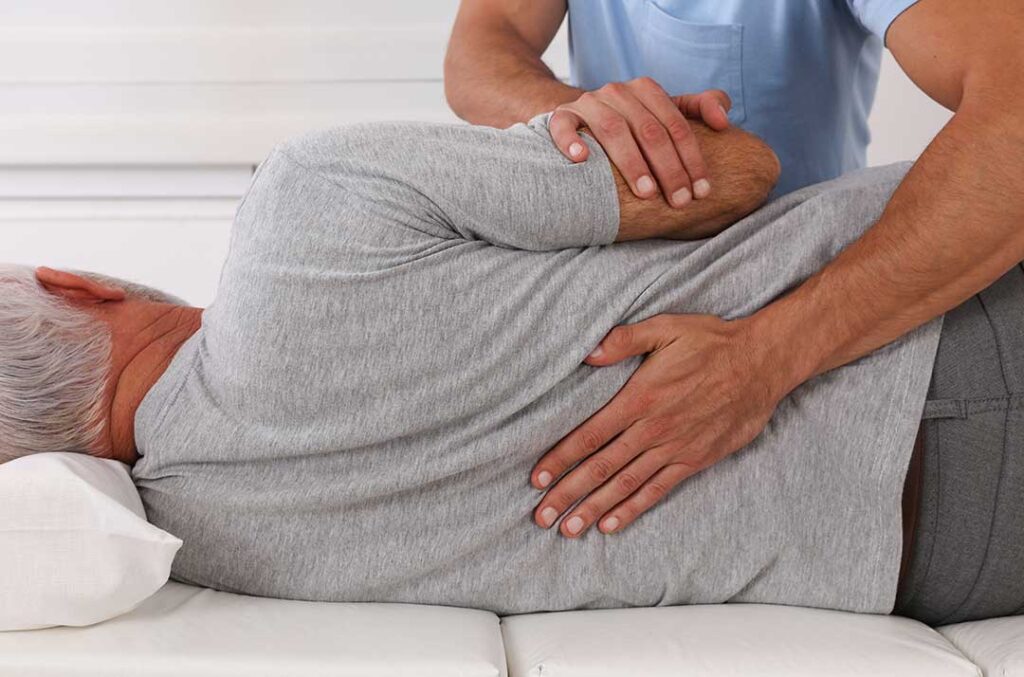
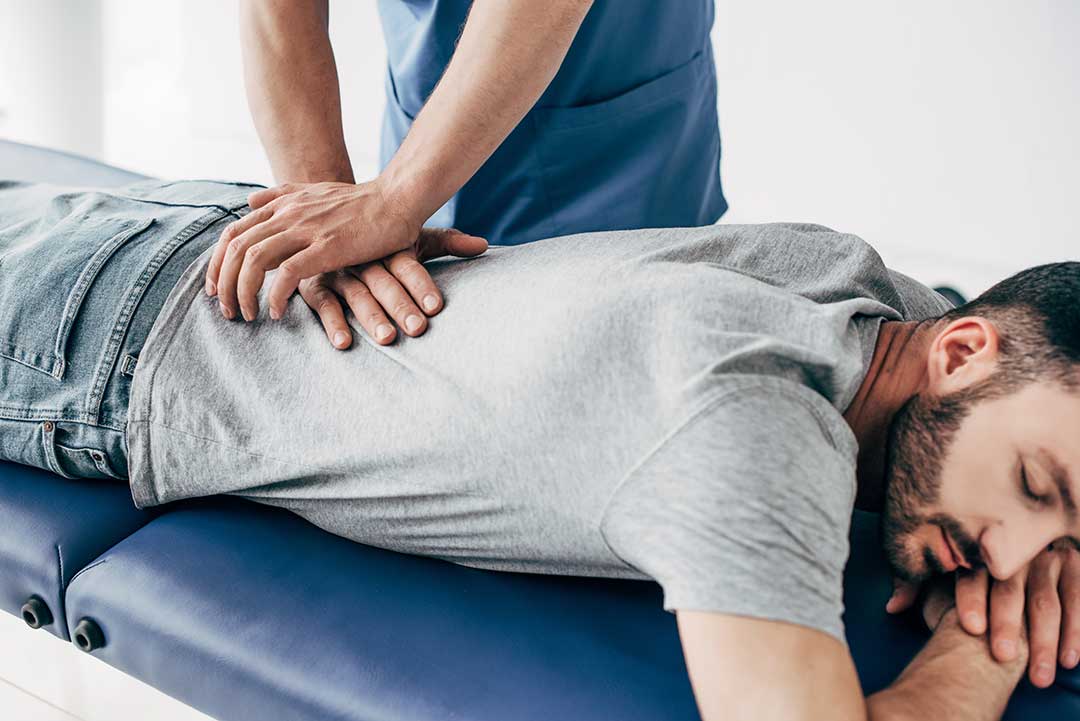
Some people use chiropractic care or other hands-on approaches as part of a broader plan for low back and leg pain. Manual treatment may be considered when it is combined with appropriate exercise, movement advice, and monitoring rather than used as the only strategy.
A careful evaluation should account for pain distribution, strength, reflexes, sensation, medical history, and warning signs. Forceful or repeated treatment is not appropriate for every condition. Anyone with significant weakness, osteoporosis, recent trauma, infection risk, or unexplained symptoms should receive medical assessment before manipulation or other hands-on care.
The goal of conservative care should be improved function and gradually increased tolerance for normal activities, not dependence on repeated passive treatments.
When is sciatica an emergency?
Seek urgent medical care for new loss of bladder or bowel control, difficulty starting urination, numbness around the groin or inner thighs, or rapidly worsening weakness in one or both legs. These symptoms can signal serious nerve compression.
Prompt evaluation is also appropriate for sciatica accompanied by fever, unexplained weight loss, a history of cancer, major trauma, severe nighttime pain, or a weakened immune system. A leg that is becoming noticeably weaker should not be managed with home remedies alone.
For less urgent symptoms, medical evaluation is sensible when pain is severe, interferes with sleep or walking, keeps returning, or does not gradually improve over several weeks. Imaging is not automatically needed at the beginning, but a clinician may recommend it when symptoms persist, neurological changes develop, or a serious cause is suspected.
