
 See Our Latest Article on HelloNation
Healthy aging is less about trying to stop the aging process and more about preserving mobility, strength, balance, and independence. Chiropractic care may support these goals for some adults, especially when it is used as part of a broader plan that includes regular movement, strength training, medical care, sleep, and fall prevention.
What does healthy aging mean?
Healthy aging means maintaining the ability to do meaningful daily activities as the years pass. That may include walking comfortably, getting up from a chair, carrying groceries, managing stairs, gardening, caring for family members, or participating in community life.
Age-related changes can affect joint motion, muscle strength, posture, reaction time, and balance. These changes do not automatically mean that pain or severe stiffness is unavoidable. Regular physical activity and appropriate care can help many people maintain function.
For residents of Middletown, NY, seasonal conditions may also affect movement. Cold temperatures, icy walkways, snow removal, and long periods spent indoors can make it easier to become inactive or develop temporary stiffness. Maintaining safe movement throughout the year is useful for both comfort and physical independence.
How can chiropractic care support older adults?
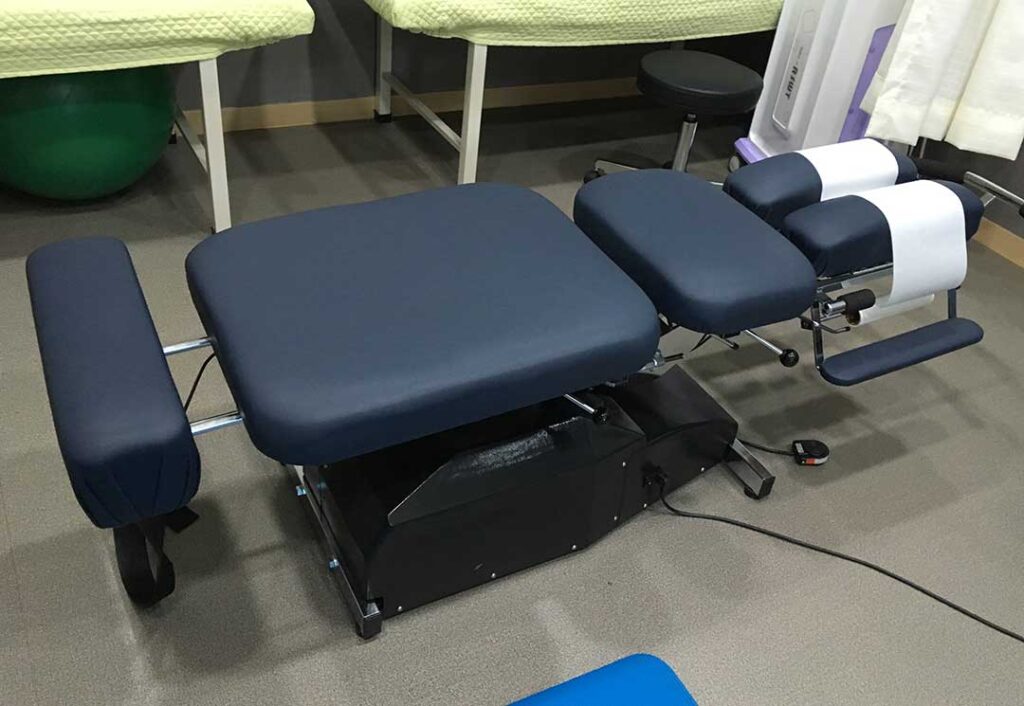
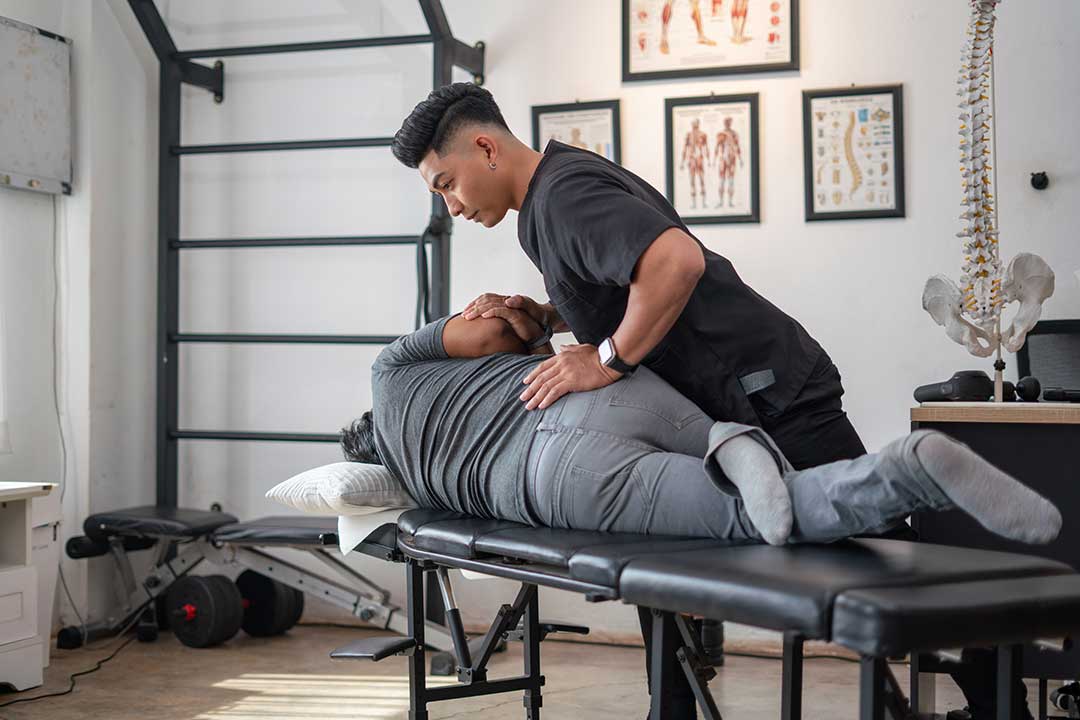
Chiropractic care commonly focuses on the relationship between the spine, joints, muscles, and movement. Depending on a person’s condition, care may include a health history, physical assessment, hands-on techniques, mobility exercises, posture guidance, and recommendations for activity.
Potential benefits may include:
- Improving short-term joint mobility
- Reducing some types of back, neck, or musculoskeletal discomfort
- Supporting more comfortable movement during daily activities
- Identifying movement limitations that may contribute to stiffness or altered posture
- Encouraging safe, gradual participation in physical activity
The goal should not be to “realign” the entire body permanently or reverse aging. A more realistic goal is to improve comfort and function enough to make healthy movement easier.
Research on spinal manipulation and related approaches is strongest for certain musculoskeletal problems, such as some forms of low-back pain. Results vary by condition, age, overall health, and the specific treatment used. Chiropractic care should be viewed as one possible component of a healthy-aging strategy rather than a replacement for medical diagnosis, exercise, or treatment of chronic disease.
Can chiropractic care improve balance or prevent falls?
Chiropractic treatment alone should not be considered a complete fall-prevention program. Balance depends on many systems, including vision, inner-ear function, leg strength, sensation in the feet, blood pressure, medications, coordination, and the safety of the home environment.
However, improved comfort and joint mobility may make it easier for some people to participate in balance and strengthening activities. Those activities are more directly connected with maintaining physical function and reducing fall risk.
Useful examples include:
- Repeatedly standing up from a sturdy chair
- Walking at a comfortable pace
- Practicing heel-to-toe walking near a stable support
- Performing gentle leg and hip strengthening exercises
- Working on balance while holding a counter or rail
- Taking short movement breaks after extended sitting
Exercises should match a person’s abilities. Anyone with repeated falls, sudden balance changes, dizziness, fainting, new weakness, or difficulty walking should receive a medical evaluation rather than assuming the problem is caused by spinal stiffness.
What types of aging-related concerns may be appropriate for evaluation?
A musculoskeletal assessment may be useful when discomfort or stiffness is affecting everyday movement. Common examples include:
- Persistent low-back discomfort
- Neck stiffness associated with prolonged sitting or device use
- Reduced ability to rotate the trunk while walking or driving
- Hip, knee, or ankle stiffness that changes walking patterns
- Shoulder or upper-back discomfort that affects dressing or reaching
- Recurrent muscle tightness after household work or seasonal chores
An evaluation can help distinguish a routine movement problem from symptoms that require a different type of care. Not every ache is a chiropractic problem, and not every person benefits from spinal manipulation.
For older adults, treatment should be adjusted for bone density, arthritis, previous fractures, joint replacements, blood-thinning medication, neurological conditions, and other health factors. Gentle approaches, exercise instruction, and mobility work may be more appropriate than forceful techniques in some situations.
Is chiropractic care safe for older adults?
Many older adults can receive conservative musculoskeletal care safely, but age alone does not determine whether a particular technique is appropriate. Safety depends on medical history, symptoms, medications, bone health, and the type and force of treatment.
Before treatment, it is helpful to discuss:
- Osteoporosis or known low bone density
- A history of spinal fracture or other fracture
- Recent surgery or joint replacement
- Cancer, infection, or unexplained weight loss
- Blood-thinning medication or bleeding disorders
- Severe arthritis or inflammatory joint disease
- Numbness, weakness, or changes in bowel or bladder control
- Dizziness, fainting, or sudden changes in coordination
Urgent medical attention is appropriate for symptoms such as sudden one-sided weakness, difficulty speaking, chest pain, severe new headache, loss of bladder or bowel control, or major trauma. These symptoms should not be managed as ordinary muscle or joint discomfort.
How does chiropractic care fit with exercise?
Exercise remains the foundation of healthy aging. Older adults generally benefit from a combination of aerobic activity, muscle strengthening, and balance work. The appropriate amount depends on health status and physical ability, but consistency matters more than intensity.
Chiropractic care may help some people begin or maintain an exercise routine by addressing discomfort that makes movement difficult. It should not replace strengthening. Hands-on treatment may provide temporary symptom relief, while strength and balance training help build the capacity needed for walking, lifting, climbing stairs, and recovering from a stumble.
A practical routine might include:
- Walking for several short periods instead of one long session
- Strengthening the legs, hips, back, abdomen, arms, and shoulders
- Practicing balance near a secure surface
- Stretching gently without forcing painful ranges of motion
- Changing position regularly during television viewing, computer work, or reading
- Increasing activity gradually after illness, injury, or a period of inactivity
In homes where winter weather limits outdoor walking, indoor routes, hallway laps, chair-based exercises, and supervised movement can help maintain activity. Clear pathways, secure handrails, adequate lighting, and footwear with good traction also reduce avoidable hazards.
What questions should an older adult ask before treatment?
A thoughtful discussion should clarify the purpose of care and how progress will be measured. Useful questions include:
- What condition is being evaluated?
- What benefits are reasonably expected?
- Are there gentler options?
- How will treatment fit with current medications and medical conditions?
- What exercises or daily activities should accompany care?
- What symptoms would require referral to another health professional?
- When should treatment be reconsidered if function does not improve?
Healthy aging is best supported by coordinated care. Primary medical care, physical therapy, medication review, vision care, nutrition, and home-safety changes may all be relevant depending on the individual.
Chiropractic care may offer a useful, conservative option for selected musculoskeletal concerns, particularly when the focus remains on comfort, movement, and function. The most meaningful measure is not whether a person’s spine appears “perfect,” but whether daily activities become safer, more comfortable, and easier to sustain.
