
 See Our Latest Article on HelloNation

Why Does Mobility Matter for Residents of Middletown, NY?
Staying mobile helps people in Middletown, NY move comfortably throughout their daily lives—whether shoveling snow, gardening in the yard, or running errands at local stores. Good mobility isn’t just for athletes; it’s essential for joint health, managing stiffness, and preventing minor aches from becoming bigger issues, especially during the colder months that bring slippery sidewalks and extra time indoors.
What Are Simple Mobility Exercises You Can Do at Home?
Basic mobility routines do not require costly equipment or special clothing. Most movements use only body weight, a towel, or common household furniture. Local residents can set aside 10 to 20 minutes a few times each week to help maintain comfort and flexibility.
Common, safe at-home mobility exercises include:
- Gentle neck rotations and shoulder circles while seated
- Cat-cow stretches, performed on hands and knees to mobilize the spine
- Hip and knee circles for the lower body
- Standing ankle rolls to promote steady footing on variable surfaces, especially useful in winter
If trying a new exercise, it helps to move slowly and pay attention to your range of motion—never forcing movement if pain occurs.
How Can Older Adults in the Community Benefit?
Older adults in Middletown face unique challenges—seasonal temperature shifts, uneven sidewalks, and stairs at home. Mobility routines can be adapted for those with limited movement or balance concerns. For example:
- Seated marches (lifting one knee at a time while sitting)
- Gentle seated trunk rotations
- Standing heel raises while holding onto a sturdy chair
These movements can promote circulation, reduce stiffness, and help area households age safely in place.
Are There Common Misconceptions About Mobility Work?
Many people think mobility exercises have to be intense or athletic, or that stretching after a walk is enough. In reality, mobility is about controlled movement through joints’ full ranges, which is different from stretching alone. Even those with chronic back or joint pain can often perform gentle routines, provided there’s no sharp discomfort.
Some believe only those with sports injuries benefit from mobility work. Actually, local office workers, caregivers, and parents also find relief from periodic movement breaks, even just a few minutes at a time.
How Does Middletown’s Climate Affect In-Home Mobility Practices?
The seasonal weather in Middletown means residents spend more time indoors—especially during late fall through early spring. Heating systems can lead to dry air, and limited movement indoors may increase stiffness. Locals often notice tight hips or lower back tension after sitting for long stretches or dealing with winter chores like ice removal.
Simple in-home strategies include:
- Moving every hour if sitting for work or watching TV
- Using a hallway or cleared space for controlled walking or lunges
- Rolling out a yoga mat on carpeted areas for joint-friendly routines
During hot summers, mobility can also help unwind after gardening or outdoor activities, preventing later soreness.
What Should Beginners Watch Out For?
Starting small helps prevent soreness or frustration. Focus on smooth, steady breathing and purposeful movement, using furniture for support when necessary. Remember:
- Discomfort is different from pain; stop if something feels wrong
- Gradually increase repetitions or hold times over several weeks
- If balance is a challenge, use walls or chairs for safety
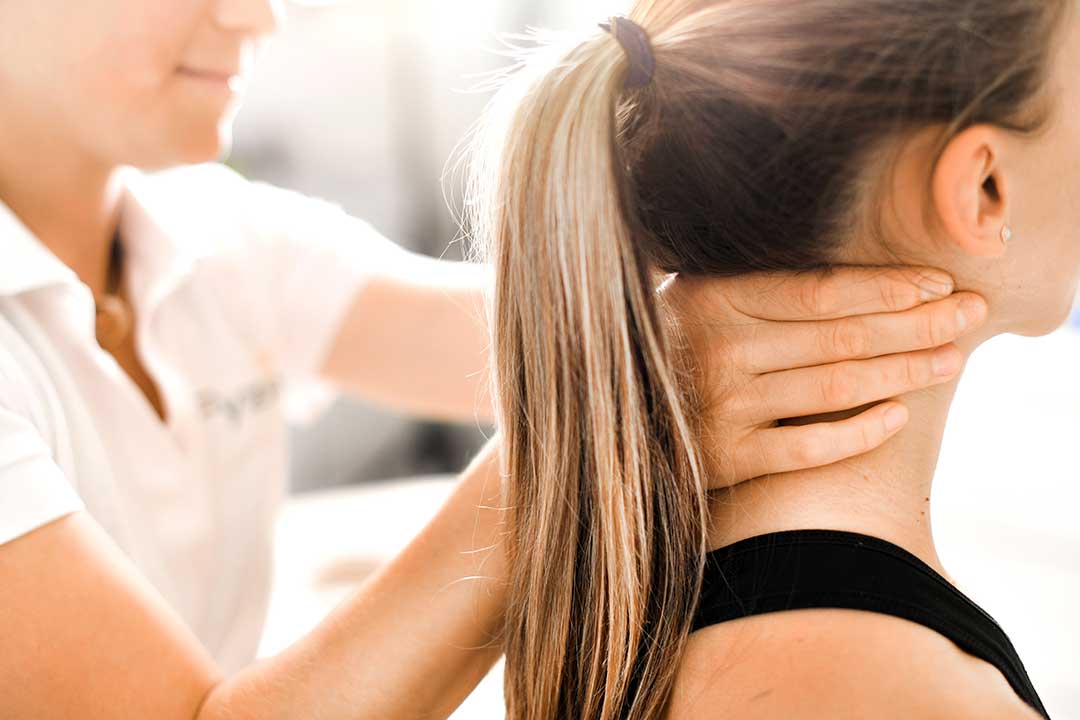
Modifications are available for most mobility movements. People with joint replacements, recent surgeries, or specific medical conditions may benefit from modified routines, such as performing moves lying down or with assistance from household members.
Are There Tools or Household Items That Help?
There is no need to invest in specialty gear. Everyday items can safely support mobility exercises:
- Rolled towels for support behind the back or knees
- A dining chair for balance during standing exercises
- Pillows for knee cushioning, especially if working on hard floors
- Light objects, like a filled water bottle, can gently increase resistance for arm exercises
Keeping a favorite item nearby may even help establish a regular habit, making movement part of a daily routine.
What Are Signs That Mobility Exercises Are Working?
Residents may notice:
- Greater ease with household chores or outdoor activities
- Less stiffness after sitting or first thing in the morning
- More confidence when navigating steps, curbs, or uneven surfaces
- Reduced general tension, especially in the neck, shoulders, and lower back
Patience is key—it can take several weeks to fully experience changes, particularly if mobility work is new.
