
 See Our Latest Article on HelloNation
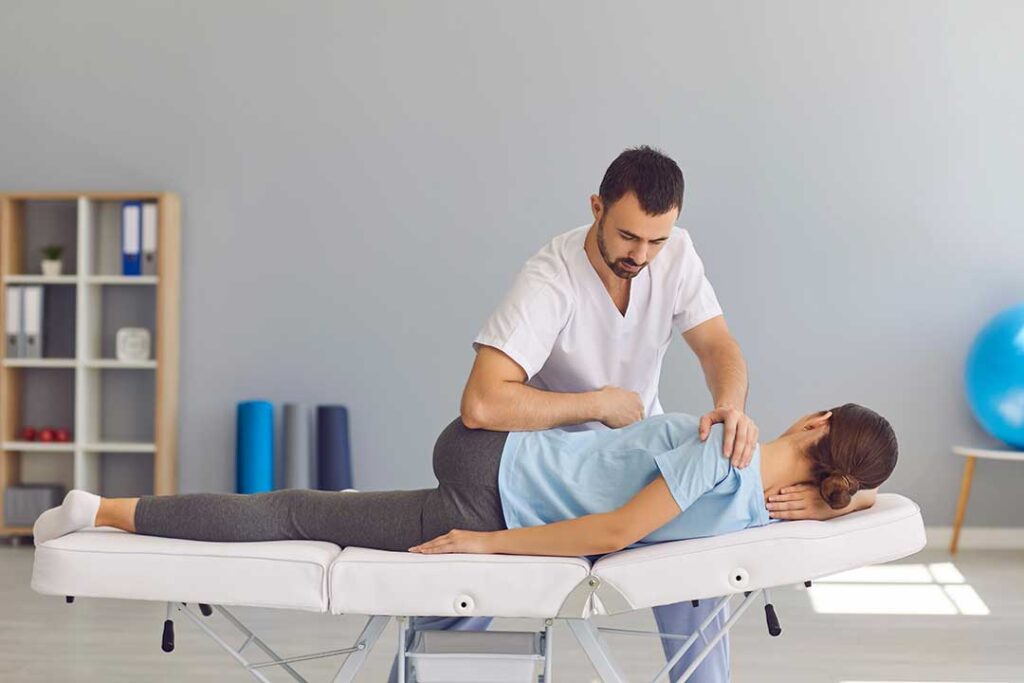
Tension headaches often feel like steady pressure, tightness, or a band wrapped around the forehead, temples, or back of the head. Tight muscles in the neck, shoulders, upper back, and jaw may contribute, especially after long periods of sitting, screen use, driving, stress, or poor sleep.
Gentle stretching may reduce muscle tension and improve comfort. It should feel easy and controlled—not painful, forceful, or aggressive. These exercises are general education and are not a diagnosis or a substitute for medical care.
What do tension headaches usually feel like?
A tension headache commonly causes dull, aching, or pressing discomfort on both sides of the head. The pain may extend from the forehead into the temples, scalp, neck, or shoulders. Unlike many migraine attacks, tension headaches usually do not cause intense throbbing, aura, or significant nausea, although symptoms can vary.
Muscle tightness is not always the only cause. Stress, dehydration, missed meals, eye strain, jaw clenching, poor sleep, and prolonged static posture can also play a role. During colder months in Middletown, people may spend more time indoors, work at kitchen tables or couches, and hold the neck in one position for long periods. Those habits can add to upper-body tension.
Which stretches may help relieve neck and shoulder tension?
The following movements can be done while seated or standing. Move slowly, breathe normally, and stop if symptoms become sharper, stronger, or unusual.
Chin tuck
A chin tuck gently activates the muscles that support the neck and counters forward-head posture.
- Sit upright with both feet supported.
- Keep the eyes level and gently draw the chin straight backward, as if making a small double chin.
- Do not look down or tilt the head.
- Hold for three to five seconds, then relax.
- Repeat five to ten times.
This exercise should create mild effort in the front or back of the neck, not pain. It can be useful after reading, computer work, or phone use.
Side-of-neck stretch
This targets the muscles along the side of the neck.
- Sit tall with the shoulders relaxed.
- Slowly bring the right ear toward the right shoulder.
- Keep the face pointing forward.
- Hold for 15 to 20 seconds while breathing comfortably.
- Return to center and repeat on the left side.
- Complete two repetitions per side.
Do not pull forcefully on the head. If the stretch causes tingling, numbness, dizziness, or pain traveling into the arm, stop.
Upper trapezius stretch
The upper trapezius muscles run from the base of the neck toward the shoulders and often tighten during stress or prolonged sitting.
- Sit on one hand or hold the edge of the chair with that hand.
- Turn the head slightly away from that side.
- Gently angle the chin toward the opposite armpit.
- Hold for 15 to 20 seconds.
- Switch sides.
The shoulder should remain down rather than lifting toward the ear. A mild pulling sensation is expected; a sharp sensation is not.
Levator scapulae stretch
This stretch addresses a muscle that connects the upper shoulder blade to the neck.
- Turn the head approximately 45 degrees to the right.
- Look down toward the right pocket or armpit.
- Use the right hand only for light guidance if needed.
- Hold for 15 to 20 seconds, then return to neutral.
- Repeat on the other side.
Keep the movement gentle. People who already have significant neck stiffness may need a smaller range.
Doorway chest stretch
Tight chest muscles can encourage rounded shoulders and forward-head posture.
- Stand in a doorway with the forearms resting lightly on the frame.
- Place the elbows slightly below shoulder height.
- Step forward until a comfortable stretch is felt across the chest.
- Hold for 15 to 30 seconds.
- Keep the ribs relaxed and avoid arching the lower back.

This can be especially useful for people who spend much of the day at a desk, on a laptop, or looking down at a device.
Can jaw relaxation help a tension headache?
Yes. Jaw clenching and teeth grinding can increase tension around the temples, face, and upper neck. A simple resting position may help:
- Place the tongue lightly against the roof of the mouth.
- Keep the lips gently together.
- Allow the teeth to remain slightly apart.
- Let the jaw muscles soften.
- Breathe slowly for 30 to 60 seconds.
Avoid repeatedly opening the mouth wide or stretching the jaw aggressively. Jaw pain, clicking with limited movement, or frequent morning headaches may warrant evaluation by a qualified healthcare professional.
How long should stretching take?
A short routine of five to ten minutes is usually enough. Stretching should not be treated as a test of flexibility. One or two gentle rounds during the day may be more useful than one long session performed forcefully.
Try pairing the routine with practical changes:
- Change position every 30 to 60 minutes.
- Keep the top of a computer screen near eye level.
- Support both feet when seated.
- Keep frequently used items within easy reach.
- Drink water regularly and avoid skipping meals.
- Relax the shoulders instead of holding them raised.
- Use slow breathing during stressful tasks.
Pain relief from stretching may be temporary. If headaches repeatedly return, tracking sleep, meals, stress, screen time, jaw clenching, and weather changes may help identify patterns. Shifts in temperature, humidity, storms, and indoor heating can affect comfort for some people, but a pattern should be observed rather than assumed.
When should stretching be avoided?
Do not stretch through sudden, severe, or unfamiliar head pain. Stop immediately if a movement causes faintness, vision changes, weakness, numbness, loss of balance, severe neck pain, or symptoms extending into an arm.
Urgent medical attention is appropriate for a headache that begins suddenly and severely, follows a head injury, or occurs with confusion, fainting, seizures, fever, stiff neck, rash, trouble speaking, weakness, numbness, or major vision changes.
A routine medical evaluation is also sensible when headaches are becoming more frequent, changing in character, interfering with sleep or daily activities, or not improving with reasonable self-care. Not every headache involving the neck is a tension headache, and stretching should not delay evaluation of symptoms that seem unusual.
A simple five-minute routine
For a brief routine, begin with five chin tucks. Follow with one side-of-neck stretch per side, one upper trapezius stretch per side, and 30 seconds of relaxed jaw breathing. Finish with several shoulder rolls and a comfortable posture reset.
The goal is calm, easy movement. Stretching should leave the neck and shoulders feeling looser—not irritated or strained.
