
 See Our Latest Article on HelloNation
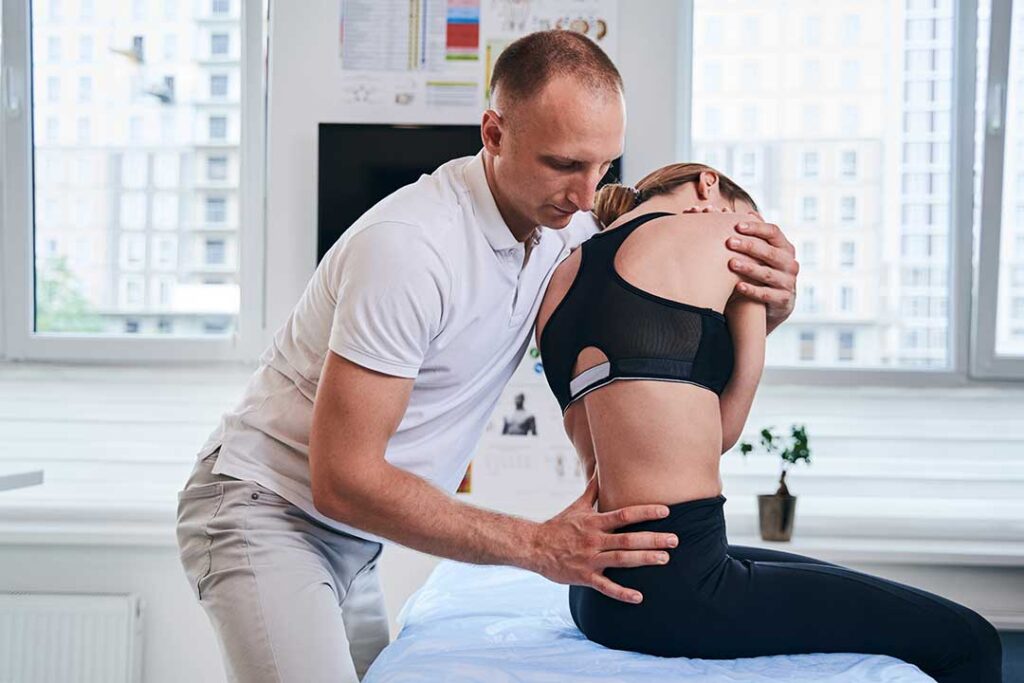
Active families often balance school, work, sports, outdoor recreation, household responsibilities, and seasonal activities. Chiropractic care may support that lifestyle by addressing certain movement-related concerns, improving awareness of body mechanics, and helping people return to normal activity after uncomplicated aches or strains.
It should be viewed as one part of a broader health plan—not a replacement for medical evaluation, physical therapy, strength training, rest, or treatment for an underlying disease.
What role can chiropractic care play in an active household?
Chiropractic care commonly focuses on the musculoskeletal system, including the spine, joints, muscles, and related movement patterns. For some people, care may include spinal manipulation or mobilization, exercise guidance, stretching, ergonomic suggestions, and advice about gradually resuming activity.
The potential benefit depends on the problem being treated. Spinal manipulation may provide modest relief for some adults with low-back pain, but it is not appropriate for every condition and does not correct all causes of pain. A careful history and examination are important before any treatment is considered.
For an active family, the practical goal is usually improved comfort and function:
- Moving with less stiffness after travel, work, or exercise
- Understanding how posture and lifting habits affect symptoms
- Returning gradually to walking, recreation, or sport after a minor strain
- Identifying movement limitations that may contribute to repeated discomfort
- Learning home exercises that support mobility and strength
A useful plan should focus on what a person can safely do between visits, rather than treating passive care as the entire solution.
How might chiropractic care help parents and caregivers?
Parents often spend long periods lifting children, carrying equipment, driving, working at a computer, or completing household tasks. These repeated activities can place stress on the lower back, neck, shoulders, hips, and wrists.
In Middletown, NY, seasonal routines may add different physical demands. Snow removal, icy walking surfaces, outdoor cleanup, gardening, home maintenance, and returning to recreational activities in warmer weather can all expose people to movements they do not perform regularly.
Education about body mechanics may help adults reduce unnecessary strain. Examples include:
- Keeping loads close to the body while lifting
- Turning with the feet instead of twisting while carrying
- Taking breaks during prolonged sitting or driving
- Alternating sides when carrying a child, bag, or piece of equipment
- Using a gradual pace when beginning seasonal chores
- Combining mobility work with strength training rather than relying only on stretching
Pain that is severe, persistent, worsening, or associated with weakness, numbness, fever, unexplained weight loss, loss of bladder or bowel control, or a significant fall requires medical evaluation rather than routine self-management.
Is chiropractic care appropriate for children and teenagers?
Children and teenagers should not be treated as small adults. Their symptoms, growth patterns, sports demands, and communication abilities differ from those of mature patients.
Some families consider chiropractic care for back or neck discomfort, sports-related muscle or joint complaints, or movement concerns. However, research on spinal manipulation in children is more limited than research involving adults, and rare but serious complications have been reported. Any care for a minor should be age-appropriate, based on a clear reason, and discussed with the child’s primary healthcare provider when symptoms are persistent, unusual, or difficult to explain.
Routine spinal adjustments should not be presented as necessary for healthy children simply because they play sports, sit at school, or carry a backpack. A healthy young athlete generally benefits most from adequate sleep, balanced nutrition, skill development, conditioning, rest days, appropriate equipment, and supervision.
Can chiropractic care prevent sports injuries?
Chiropractic care cannot guarantee that a child or adult will avoid injury. Injury prevention depends on several factors, including conditioning, technique, recovery, training volume, playing surface, equipment, and attention to pain.
Movement assessment may help identify restricted mobility or strength differences, but prevention should also include:

- A gradual warm-up before vigorous activity
- Sport-specific practice and strength training
- Rest between demanding sessions
- Hydration and regular meals
- Properly fitted protective equipment
- Avoiding rapid increases in mileage, weight, or practice time
- Reporting pain that changes movement or persists after activity
A common misconception is that soreness always means the body is becoming stronger. Mild muscle soreness after unfamiliar exercise can be normal, but sharp pain, swelling, instability, limping, or pain that worsens during activity should not be ignored.
What about active older adults?
Families often include adults who want to remain active while managing age-related stiffness, arthritis, previous injuries, or reduced balance. Chiropractic care may be considered for selected musculoskeletal complaints, but older adults require additional caution because osteoporosis, medication use, cardiovascular conditions, and other health issues can affect treatment choices.
The larger objective should be maintaining independence and safe movement. Walking, resistance exercises, balance activities, and mobility work can help support daily function when appropriately prescribed. A person with frequent falls, new weakness, severe joint swelling, or sudden changes in walking ability needs prompt medical assessment.
How can families make movement part of daily life?
The most useful approach is usually consistent, moderate activity that fits the household’s schedule. Children ages 6 through 17 are generally encouraged to get at least 60 minutes of moderate-to-vigorous activity daily, while adults are commonly advised to accumulate at least 150 minutes of moderate activity each week along with muscle-strengthening activity on two days.
Those targets do not require a formal exercise program. Families might walk after dinner, play outside, use stairs, practice balance, shovel carefully in short intervals, or choose active recreation during weekends. In colder months, indoor movement breaks can reduce long periods of sitting.
Adults can also model healthy habits by treating rest, warm-ups, and gradual progression as normal parts of activity. Children are more likely to develop sustainable habits when movement is presented as enjoyable and varied rather than as punishment or competition.
When should chiropractic care not be the first step?
Chiropractic care is not the right starting point for every complaint. Immediate medical attention may be needed after a major injury or when symptoms include chest pain, difficulty breathing, fainting, severe abdominal pain, progressive weakness, loss of coordination, or new bowel or bladder problems.
A child with significant neck pain, severe headache after an injury, unexplained nighttime pain, fever, or unusual weakness should be evaluated medically. Adults with new symptoms following a fall, collision, or other trauma also may need imaging or urgent assessment before manual treatment.
For uncomplicated musculoskeletal discomfort, coordinated care can be reasonable. That may involve a primary healthcare provider, physical therapist, athletic trainer, or other qualified clinician depending on the diagnosis and goals. The best plan is the one that matches the actual problem, keeps activity as safe as possible, and gives the family practical steps to continue moving.
