
 See Our Latest Article on HelloNation
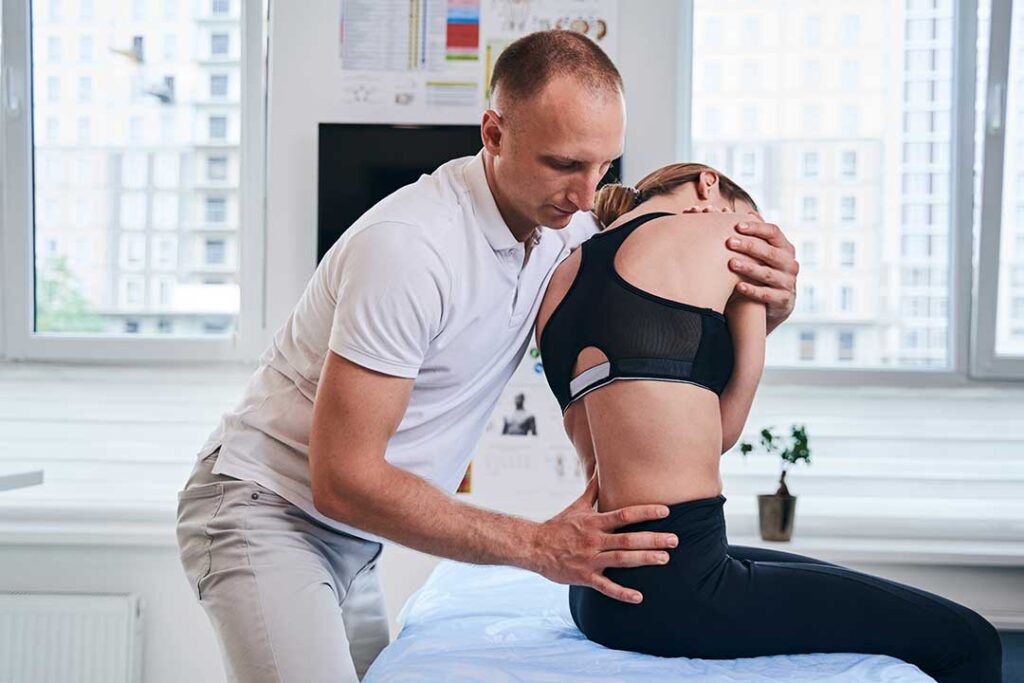
Athletes in Middletown, NY participate in many forms of activity, from school and recreational sports to distance running, cycling, strength training, hiking, and physically demanding work. Chiropractic adjustments may have a role in managing certain movement-related problems, but they are not a shortcut to greater strength, speed, or injury-proof performance.
The most useful way to view an adjustment is as one possible part of a broader care plan that may also include exercise, mobility work, rest, technique changes, and medical evaluation when needed.
What is a chiropractic adjustment?
A chiropractic adjustment is a hands-on technique used to apply a controlled force to a joint, most commonly in the spine or extremities. The goal may be to reduce discomfort, improve joint motion, or help a person move more comfortably.
Adjustments can be performed with different methods and levels of force. Some involve a brief, specific thrust, while others use slower mobilization or instrument-assisted techniques. The appropriate approach depends on the person’s symptoms, examination findings, medical history, age, sport, and preferences.
An adjustment should not be understood as physically “putting a bone back into place” in the common sense. Joints are not usually dislocated or misaligned simply because they feel stiff or because a person hears a popping sound. The sound associated with some techniques is related to pressure changes within a joint and does not, by itself, prove that a correction occurred.
What benefits may athletes notice?
The most realistic benefits relate to comfort, mobility, and function. Some athletes report less stiffness or easier movement after an adjustment, particularly when symptoms are related to uncomplicated joint or muscle problems.
Potential benefits may include:
- Temporary improvement in spinal or joint range of motion
- Reduced perception of muscle or joint discomfort
- Easier movement during warm-ups or daily activities
- Improved tolerance for exercise when pain has limited normal motion
- Assistance with identifying movement habits that may be contributing to recurring symptoms
For example, a recreational runner with back stiffness may find that improved comfort makes it easier to perform prescribed hip and trunk exercises. A tennis player with restricted upper-back movement may benefit from a plan that combines manual care with mobility and strengthening work.
These effects vary considerably. An adjustment may help one person and provide little benefit to another. Short-term improvement should not be confused with full healing of a tendon, ligament, bone, or muscle injury.
Can adjustments improve athletic performance?
Evidence does not clearly show that routine spinal manipulation improves strength, speed, endurance, or overall athletic performance in healthy athletes without symptoms. Some studies have found short-term changes in range of motion or muscle activity, but these findings do not consistently translate into better sport performance.
That distinction matters. An athlete may move more comfortably after treatment because stiffness or pain has decreased. That is different from gaining new power or becoming less likely to get injured.
Adjustments should therefore be considered for a specific movement or comfort problem rather than as a general performance enhancement technique. Training quality still depends primarily on progressive exercise, adequate recovery, nutrition, sleep, sport technique, and appropriate workload management.
How might adjustments fit into injury recovery?
Adjustments may be useful for selected musculoskeletal complaints, particularly when treatment is combined with active rehabilitation. The active portion may include strengthening, balance exercises, mobility drills, gradual return to sport, and changes to training volume.
For a mild back or neck complaint, hands-on care may help reduce symptoms enough to allow normal movement and exercise. For an ankle, knee, shoulder, or hip problem, treatment may focus on nearby joints and movement patterns rather than the injured structure alone.
However, adjustments are not a replacement for evaluation of serious injuries. A suspected fracture, major ligament tear, tendon rupture, dislocation, concussion, or significant nerve problem requires appropriate medical assessment. Continuing to train through severe pain simply because symptoms temporarily improve can delay recovery.
Are adjustments useful for preventing sports injuries?
There is not enough evidence to say that regular adjustments prevent sports injuries in otherwise healthy athletes. Injury prevention is more strongly connected with factors such as gradual training progression, sport-specific conditioning, warm-up habits, balance and strength work, proper equipment, and sufficient recovery.
A movement assessment may still identify correctable contributors to recurring symptoms. For instance, an athlete may need stronger hip muscles, improved ankle mobility, better landing mechanics, or changes in running volume. An adjustment alone does not address these factors.
Prevention also has a seasonal component. In the Middletown community, athletes may move between indoor training, cold-weather outdoor activity, school seasons, and summer recreation. Sudden changes in surface, footwear, mileage, or training intensity can place stress on tissues that have not had time to adapt.
What should athletes expect during an evaluation?
A careful evaluation should include questions about the injury, training schedule, symptoms, previous conditions, medications, and health history. Movement, strength, coordination, and joint function may also be assessed.
An athlete should be able to explain:
- Where the symptoms began and whether they are getting better or worse
- Which movements or activities increase discomfort
- Whether there is numbness, tingling, weakness, swelling, or loss of balance
- Whether a collision, fall, or sudden force caused the problem
- How the symptoms affect sleep, walking, lifting, or sport participation
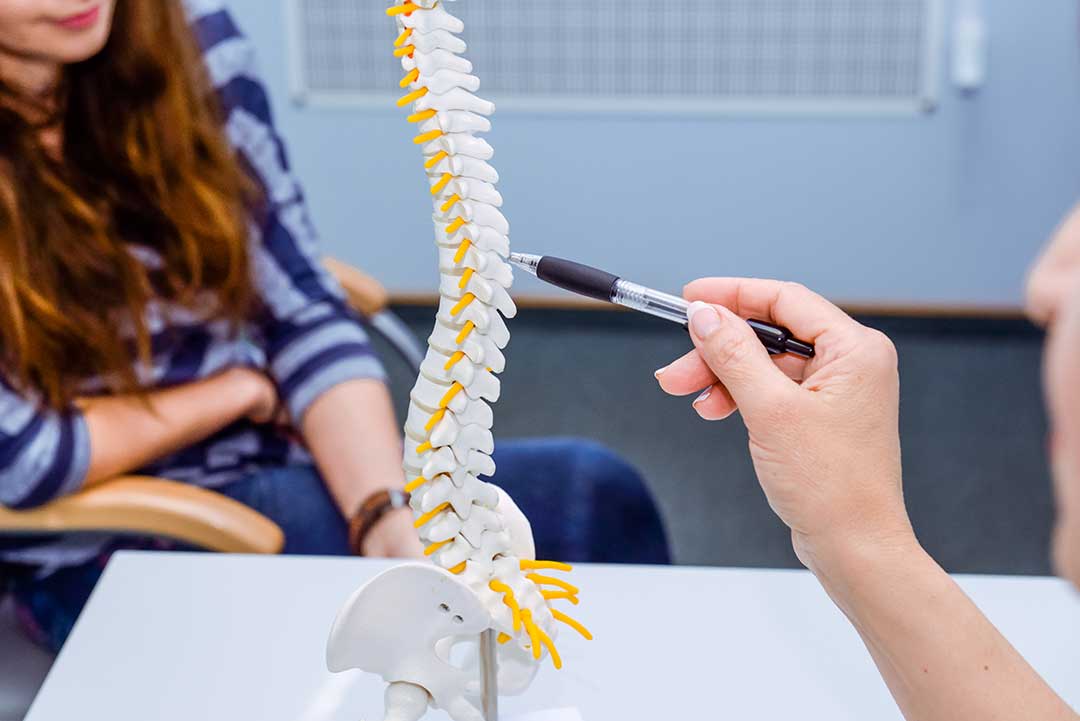
The treatment plan should be specific and understandable. It should identify what activities are appropriate, what should be temporarily limited, and what signs indicate the need for further evaluation.
When should an athlete avoid an adjustment or seek medical care first?
Certain symptoms should be evaluated promptly rather than treated as routine stiffness. These include:
- Severe pain after a collision or fall
- Inability to bear weight or use a limb normally
- Visible deformity or rapidly increasing swelling
- Progressive weakness, numbness, or loss of coordination
- Loss of bladder or bowel control
- Fever, unexplained weight loss, or severe unrelenting pain
- New symptoms after a head or neck injury
- Chest pain, shortness of breath, fainting, or other non-musculoskeletal symptoms
Neck manipulation deserves particular caution because serious but uncommon complications have been reported. Anyone with unusual neurological symptoms, sudden severe headache, difficulty speaking, facial drooping, or vision changes should seek emergency care rather than undergoing manual treatment.
Mild soreness, fatigue, or temporary stiffness can occur after manipulation. Severe, worsening, or persistent symptoms are not expected and warrant medical attention.
What is the most balanced approach?
For athletes, the strongest role for chiropractic care is usually supportive rather than standalone. An adjustment may help with short-term comfort or joint mobility, while exercise and gradual loading address strength, control, and long-term function.
A practical plan may include:
- A clear working diagnosis or explanation of the symptoms
- A limited trial of care with measurable goals
- Exercises that the athlete can perform independently
- Guidance on training modifications and return to activity
- Coordination with medical, rehabilitation, or sports professionals when symptoms are complex
The main question is not whether every athlete should receive adjustments. It is whether a particular technique is appropriate for a specific problem, whether the expected benefit outweighs the risks, and whether the overall plan helps the athlete return to activity safely.
