
 See Our Latest Article on HelloNation

Chiropractic care may help some older adults manage back pain, joint stiffness, and movement limitations, especially when treatment is combined with exercise and other appropriate care. It is not a cure for every age-related condition, and a careful evaluation is essential because older adults are more likely to have osteoporosis, arthritis, spinal narrowing, medication effects, or other health factors that influence treatment choices.
What benefits might seniors experience?
The most realistic benefits are related to comfort, mobility, and daily function. Depending on the person’s condition, chiropractic care may help:
- Reduce or manage some types of low-back pain
- Ease stiffness in the spine, hips, or other joints
- Improve movement during walking, standing, or changing positions
- Support the ability to perform daily activities
- Encourage safe exercise and self-management
- Reduce reliance on passive care by emphasizing movement and home activities
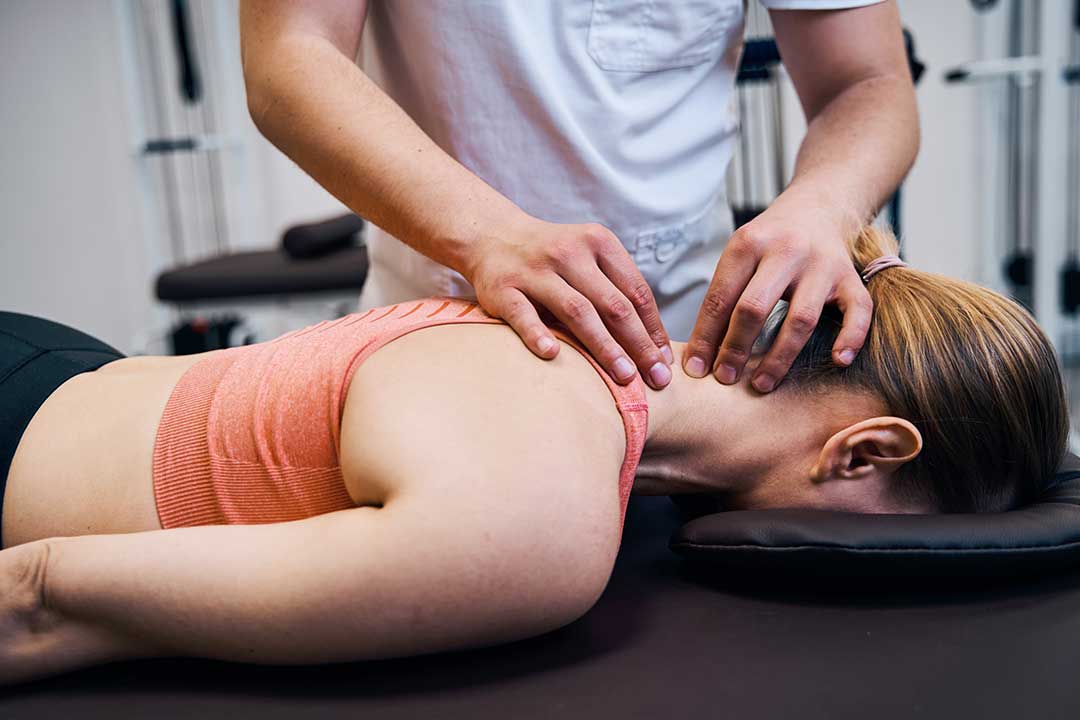
Research on spinal manipulation suggests modest improvements for some people with acute or chronic low-back pain. Treatment may include gentle joint mobilization, soft-tissue techniques, stretching, strengthening, posture guidance, and home exercises rather than forceful manipulation.
For an older resident who has difficulty getting out of a chair, standing at the kitchen counter, or walking through the home, even a small improvement in movement can be meaningful. The goal should generally be better function, not simply temporary relief while the underlying limitations continue.
Can chiropractic care help with arthritis and stiffness?
It may help some people with osteoarthritis-related stiffness and musculoskeletal pain, but it does not reverse cartilage loss or rebuild damaged joints. Care is usually directed at improving the motion of nearby joints, reducing muscle tension, and supporting activity that the person can tolerate.
For example, someone with hip or knee arthritis may also have stiffness in the lower back, pelvis, or ankle. Addressing movement throughout the lower body may make walking more comfortable, although treatment should not be expected to replace medical evaluation, medication management, injections, surgery, or physical rehabilitation when those are appropriate.
Gentle exercise is often a central part of managing arthritis. Strengthening the legs, improving balance, and maintaining range of motion can help preserve independence. Chiropractic care may be one component of that broader plan, but passive treatment alone is unlikely to provide lasting functional improvement.
Does chiropractic care prevent falls?
Chiropractic treatment by itself should not be described as a proven way to prevent falls. Fall prevention usually requires several strategies, including leg-strengthening exercises, balance training, vision checks, medication review, safer footwear, adequate lighting, and removal of tripping hazards.
A movement-focused evaluation may identify problems that contribute to instability, such as limited ankle motion, painful steps, difficulty turning, or weakness when rising from a chair. However, dizziness, fainting, sudden balance changes, numbness, or repeated falls may indicate a medical condition that requires prompt evaluation rather than routine manual care.
Seasonal conditions also matter for local households. Snow, ice, wet entryways, uneven sidewalks, and slippery porch steps can create fall risks during colder months. Keeping walkways clear, using handrails, improving lighting, and avoiding outdoor walking during icy conditions are practical precautions that treatment cannot replace.
Is chiropractic care safe for older adults?
Many older adults tolerate appropriately selected chiropractic treatment, and temporary soreness or increased discomfort can occur after manual therapy. Safety depends on the person’s health history, the treatment method, and the quality of the initial assessment.
Older adults should tell the treating clinician about:
- Osteoporosis or a history of fractures
- Recent falls or unexplained weight loss
- Cancer, infection, or inflammatory disease
- Blood-thinning medication
- Recent surgery
- Severe or worsening pain
- Numbness, weakness, or changes in bladder or bowel control
- Dizziness, fainting, or unusual headaches
These details may change which techniques are suitable. A gentle mobilization or exercise program may be more appropriate than a high-velocity thrust. Neck manipulation deserves particular caution because serious vascular and neurological complications, although uncommon, have been reported. New severe headache, facial drooping, difficulty speaking, one-sided weakness, chest pain, or sudden vision changes require emergency care.
What should seniors expect during an evaluation?
A responsible evaluation should involve more than asking where the pain is located. It may include questions about walking, balance, falls, sleep, medications, previous injuries, bone health, and daily activities.
The clinician may observe:
- Walking speed and steadiness
- Ability to rise from a chair
- Spinal and joint movement
- Muscle strength
- Sensation and reflexes
- Posture and coordination
The purpose is to determine whether the problem appears appropriate for conservative musculoskeletal care or whether medical testing or another type of care is needed. Imaging is not automatically required for every episode of back pain, but it may be considered when there has been significant trauma, suspected fracture, neurological change, or other warning signs.
Can chiropractic care replace medication or physical therapy?
Usually, no. Chiropractic care may complement medical treatment, physical therapy, therapeutic exercise, or other approaches. Older adults often have several conditions at once, so care works best when treatment choices are coordinated rather than considered in isolation.
Medication review is especially relevant because some pain, sleep, blood-pressure, and anxiety medicines can contribute to dizziness or fall risk. A person should not stop or change prescribed medication without guidance from the prescribing clinician.
Physical therapy may be particularly valuable when the main goals are rebuilding strength, improving endurance, recovering after surgery, or addressing a serious balance problem. Chiropractic care may focus more on musculoskeletal pain and movement, though the boundaries can overlap.
How can seniors get the most practical benefit?
The strongest approach is usually an active plan tailored to current ability. Helpful questions include:
- What specific function is expected to improve?
- Which techniques will be used, and why?
- What exercises should be done at home?
- How will progress be measured?
- What symptoms would require stopping treatment?
- How does the plan account for osteoporosis, medications, or previous falls?
Progress can be measured by everyday tasks: walking to the mailbox, standing long enough to prepare a meal, sleeping more comfortably, or moving through the home with less hesitation. If pain or function is not improving after a reasonable trial, the plan should be reconsidered.
For older adults in Middletown, NY, safe care should account for the realities of seasonal weather, stairs, older housing features, uneven walking surfaces, and the need to remain independent at home. Chiropractic treatment may be useful for selected musculoskeletal problems, but its value is greatest when it is cautious, movement-oriented, and integrated with broader fall-prevention and healthy-aging practices.
