
 See Our Latest Article on HelloNation
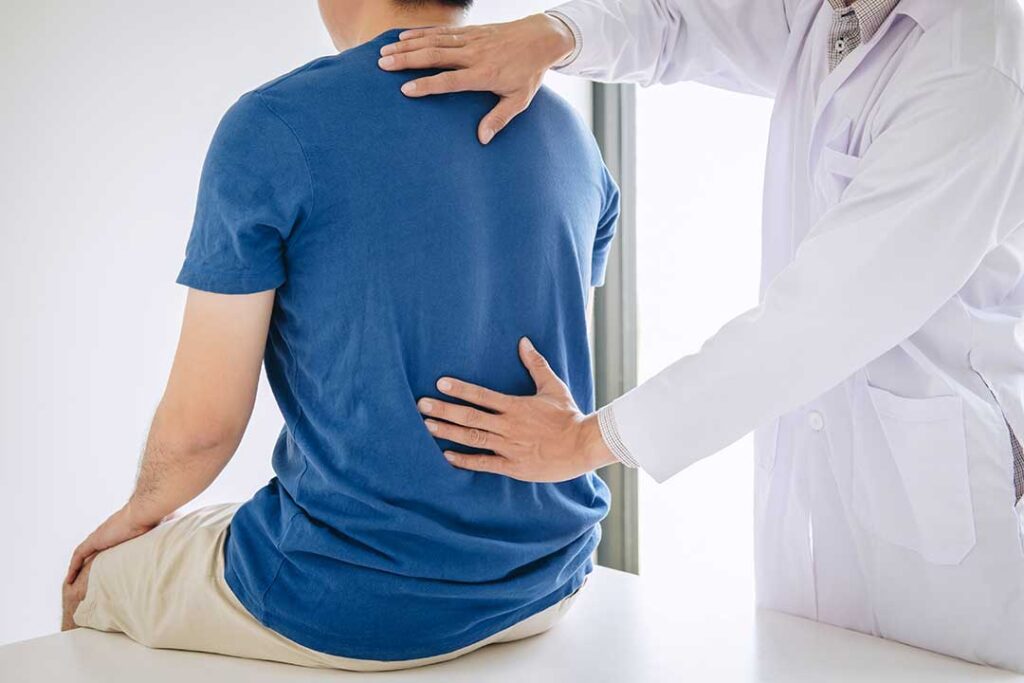
What is the Graston Technique?
The Graston Technique is a form of instrument-assisted soft tissue mobilization, often abbreviated as IASTM. It uses smooth, handheld instruments to apply controlled pressure and gliding movements over muscles, tendons, fascia, or areas of scar tissue.
In chiropractic care, this technique may be used as one part of a broader plan that can also include exercise, mobility work, manual therapy, posture education, and gradual return to normal activity. The instruments do not “break up” tissue in a literal sense. Instead, the goal is to provide mechanical stimulation and help a clinician assess how a region moves and responds.
The technique is commonly discussed for muscle tightness, tendon irritation, restricted movement, and some activity-related injuries. It is not a replacement for a complete evaluation, and it is not appropriate for every type of pain.
How is the treatment performed?
A typical session begins with a health history and movement assessment. The clinician may check joint motion, muscle strength, tenderness, gait, or the way a person performs a specific activity.
During treatment, a small amount of lotion or emollient may be applied to the skin. The instrument is then moved along the affected area using different angles and pressures. Treatment may last only a few minutes for a particular region.
People may notice:
- Mild pressure, warmth, or a scraping sensation
- Temporary tenderness afterward
- Redness that fades relatively quickly
- Occasional pinpoint bruising or discoloration
- A short-term change in range of motion or comfort
The experience should not be intensely painful. Increasing pain, significant swelling, numbness, or extensive bruising should be reported rather than treated as a normal sign that the technique is “working.”
What conditions may be considered?
IASTM is sometimes included in care for problems involving muscles, tendons, and surrounding connective tissue. Examples may include:
- Limited ankle, knee, shoulder, wrist, or hip mobility
- Muscle tightness after repetitive activity
- Tendon-related pain
- Reduced movement after an injury has healed
- Scar-related restrictions
- Activity-related aches involving the back or neck
For residents of Middletown, seasonal routines can affect how these complaints appear. Winter snow removal, shoveling, icy walking surfaces, indoor exercise, and long periods of sitting may place unusual demands on the shoulders, back, hips, or lower legs. A technique aimed at soft tissue should still be matched to the actual cause of symptoms rather than applied simply because an area feels tight.
Does the Graston Technique break up scar tissue?
That description is common, but it is an oversimplification. Scar tissue is not usually a separate sheet that can be scraped away with an instrument. Healing tissue changes over time in response to injury, movement, loading, and the body’s normal remodeling process.
The instrument may help provide sensory input, temporarily alter how a person perceives discomfort, or make movement feel easier. Any lasting improvement is more likely to depend on the complete rehabilitation plan, including appropriate strengthening and gradual exposure to normal activity.
It is also possible for a person to feel better after treatment without the treatment having permanently changed the structure of the tissue. Short-term relief can be useful, but it should not be confused with proof that scar tissue has been removed.
What does the research say?
Research on IASTM has produced mixed results. Earlier reviews found some short-term improvements in range of motion or pain, but also noted small studies, inconsistent treatment methods, and limited ability to apply findings to all patients. ([pubmed.ncbi.nlm.nih.gov](https://pubmed.ncbi.nlm.nih.gov/31322903/?utm_source=openai))
A 2019 systematic review concluded that the available evidence did not consistently support clinically important improvements in pain, function, or range of motion across different conditions. ([pubmed.ncbi.nlm.nih.gov](https://pubmed.ncbi.nlm.nih.gov/30797743/?utm_source=openai)) A larger updated review published in 2023 also rated the certainty of evidence as very low and found no clinically meaningful overall benefit for several commonly measured outcomes. ([pubmed.ncbi.nlm.nih.gov](https://pubmed.ncbi.nlm.nih.gov/35611579/?utm_source=openai))
More recent research has reported possible reductions in patient-reported pain and improvements in function, but the authors still described limitations such as small studies and risk of bias. ([pubmed.ncbi.nlm.nih.gov](https://pubmed.ncbi.nlm.nih.gov/40087631/?utm_source=openai))
The practical interpretation is balanced: the technique may help some people as an adjunct to active rehabilitation, but it should not be presented as a guaranteed treatment, a cure for chronic pain, or a substitute for exercise and appropriate medical evaluation.
Who should be cautious or avoid it?
Instrument-assisted treatment may not be suitable over areas with an open wound, active skin infection, unexplained swelling, acute severe injury, or a fresh surgical incision. Caution may also be needed for people with conditions affecting blood clotting, unusual bruising, impaired sensation, or fragile skin.
A person taking blood-thinning medication should disclose that information before treatment. The same applies to a history of blood clots, easy bleeding, significant vascular disease, osteoporosis, or a diagnosed inflammatory condition.
A new injury with marked swelling, deformity, inability to bear weight, progressive weakness, or severe pain requires assessment before soft-tissue techniques are considered. Muscle injuries that include numbness or tingling, worsening symptoms, or difficulty using the affected body part also warrant medical attention. ([mayoclinic.org](https://www.mayoclinic.org/diseases-conditions/muscle-strains/symptoms-causes/syc-20450507?utm_source=openai))
What should a person expect afterward?
Temporary soreness is possible, especially when a sensitive area has been treated. Normal daily movement is often encouraged, but strenuous activity may need to be adjusted depending on the underlying problem.
Useful questions to ask before treatment include:
- What condition is this intended to address?
- What other treatments should accompany it?
- How will progress be measured?
- What level of soreness or bruising is expected?
- What symptoms would indicate that treatment should stop?
- What exercises or activity changes are recommended afterward?
A reasonable plan should define what improvement means. That might be easier walking, better shoulder movement, improved tolerance for household tasks, or less pain during a specific activity. Repeated treatment without measurable progress deserves reassessment.
Is it the same as massage or chiropractic adjustment?
No. Massage generally uses the hands to apply pressure and movement to soft tissues. An adjustment is a manual technique directed at a joint or spinal segment. IASTM uses an instrument to apply pressure and movement over soft tissue.
These approaches may be combined, but one does not automatically make the others necessary. The appropriate choice depends on the examination, the person’s goals, the diagnosis being considered, and any safety concerns.
For local residents managing pain after snow removal, home maintenance, commuting, work, or recreational activity, the most useful care plan is usually the one that improves function over time. Instrument-assisted treatment may be one component, but education, gradual strengthening, sleep, activity modification, and a clear diagnosis generally matter more than the tool itself.
