
 See Our Latest Article on HelloNation
Premenstrual syndrome, or PMS, includes physical, emotional, and behavioral symptoms that occur before menstruation. Common examples include bloating, breast tenderness, headaches, fatigue, irritability, mood changes, food cravings, and sleep disruption.
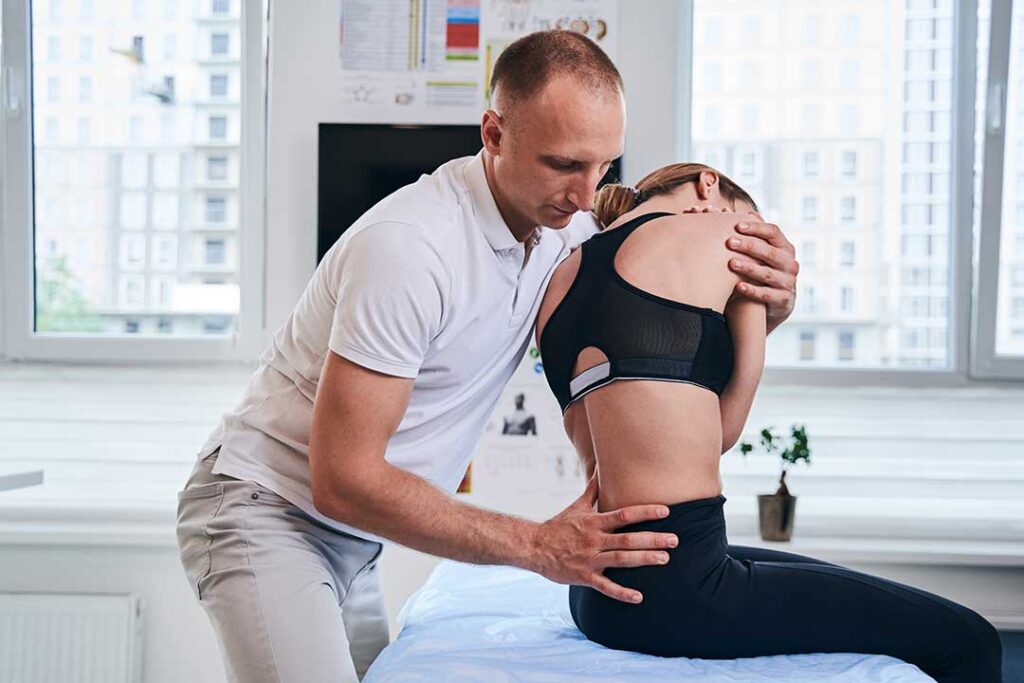
For residents of Middletown, NY, chiropractic adjustments may help with certain musculoskeletal complaints that become more noticeable before a period, such as low-back tension, pelvic-area discomfort, or stiffness. However, current evidence does not show that spinal adjustments treat the hormonal or emotional causes of PMS itself. Chiropractic care is best understood as a possible supportive option for some pain-related symptoms—not a proven treatment for PMS as a whole.
Can chiropractic adjustments reduce PMS symptoms?
Chiropractic adjustments might provide short-term relief when premenstrual symptoms include back pain, muscle tightness, or joint discomfort. The proposed benefit is related to changes in movement, muscle tension, and pain sensitivity rather than correction of a hormonal imbalance.
Research specifically focused on spinal manipulation for PMS is limited. A review of evidence on chiropractic care and PMS found the evidence inconclusive, with too few high-quality studies to determine whether adjustments reliably improve symptoms. Research on painful periods, known as dysmenorrhea, has also produced mixed findings. Some reviews have reported possible pain reduction with manipulative therapy, while other reviews have found insufficient or no clear evidence of benefit. ([pubmed.ncbi.nlm.nih.gov](https://pubmed.ncbi.nlm.nih.gov/28988817/?utm_source=openai))
That distinction matters. Feeling less back tension after an adjustment does not necessarily mean that the underlying PMS has been treated. Symptoms may also naturally fluctuate from cycle to cycle.
Which symptoms might be related to the spine or muscles?
PMS can overlap with ordinary musculoskeletal pain. For example, hormonal changes, fluid retention, altered sleep, and reduced activity may contribute to:
- Aching in the lower back
- Tightness through the hips or buttocks
- Increased sensitivity in the abdominal or pelvic region
- Neck and shoulder tension from poor sleep or stress
- Headaches that occur alongside muscle tension
- Difficulty sitting, standing, or exercising comfortably
In these situations, a chiropractic assessment may focus on movement, posture, muscle tension, and whether another condition is contributing to the pain. An adjustment, mobilization, gentle soft-tissue work, or exercise advice may be considered depending on the person’s health history.
The strongest evidence for spinal manipulation concerns some types of back and neck pain, not PMS. The National Center for Complementary and Integrative Health reports that spinal manipulation may provide modest improvement for certain acute or chronic low-back pain conditions, while evidence for non-musculoskeletal conditions—including menstrual cramps—remains limited. ([nccih.nih.gov](https://www.nccih.nih.gov/health/spinal-manipulation-what-you-need-to-know?utm_source=openai))
Does an adjustment balance hormones or improve the menstrual cycle?
There is no reliable evidence that chiropractic adjustments regulate reproductive hormones, restore a “misaligned pelvis,” or correct the cause of PMS. Menstrual symptoms are influenced by normal hormonal changes and by conditions such as migraine, depression, anxiety, endometriosis, fibroids, thyroid disorders, or anemia.
A spinal adjustment should not be presented as a replacement for evaluation of heavy bleeding, severe cramping, major mood changes, or a consistently irregular cycle. Those symptoms may require a different type of assessment and treatment.
Keeping a symptom diary for at least two menstrual cycles can help clarify whether symptoms are truly linked to the premenstrual phase. Record the first day of bleeding, pain intensity, mood changes, headaches, sleep, bowel symptoms, medications, and how symptoms affect work or daily activities.
What treatments have better evidence for PMS?
Treatment depends on the specific symptoms and how much they interfere with daily life. For mild or moderate PMS, evidence-based self-care may include regular aerobic activity, adequate sleep, stress-reduction practices, and balanced meals. The American College of Obstetricians and Gynecologists notes that regular exercise may reduce fatigue and depressive symptoms, while relaxation techniques such as breathing exercises, meditation, and yoga may also help. ([acog.org](https://www.acog.org/womens-health/faqs/premenstrual-syndrome?utm_source=openai))
Other options may include:
- Heat applied to the lower abdomen or back
- Over-the-counter pain relievers when medically appropriate
- Dietary changes based on individual triggers
- Calcium or other supplements discussed with a qualified medical provider
- Hormonal contraception for selected patients
- Prescription antidepressants for some mood-related PMS or PMDD symptoms
Supplements are not automatically harmless. Calcium, magnesium, vitamin E, and herbal products may interact with medications or be inappropriate for people with certain medical conditions. Discussing doses and possible interactions before starting a supplement is especially important.
If symptoms are severe, cyclical, and disruptive, the issue may be premenstrual dysphoric disorder, or PMDD. PMDD can involve intense depression, anxiety, anger, hopelessness, or difficulty functioning. It deserves medical evaluation rather than being treated as ordinary monthly discomfort. ([acog.org](https://www.acog.org/womens-health/faqs/premenstrual-syndrome?utm_source=openai))
Is chiropractic care safe during PMS?
For many otherwise healthy adults, spinal manipulation causes temporary soreness, stiffness, headache, or increased discomfort. These effects commonly resolve within a day or two. Serious complications are rare, but they have been reported, and risk may be higher when a person has certain underlying health conditions. ([nccih.nih.gov](https://www.nccih.nih.gov/health/spinal-manipulation-what-you-need-to-know?utm_source=openai))
A thorough health history should include pregnancy or possible pregnancy, osteoporosis, recent injury, bleeding disorders, cancer, infection, inflammatory arthritis, neurological symptoms, and medications that affect bleeding or bone health. Neck manipulation deserves particular caution because rare neck artery injuries have been reported, although the relationship between manipulation and these events remains debated.
An adjustment should be postponed or avoided until medical advice is obtained when symptoms include new leg weakness, numbness in the groin, loss of bladder or bowel control, fever, fainting, unexplained weight loss, severe abdominal pain, or sudden neurological changes.
When should PMS symptoms be medically evaluated?
PMS symptoms should not be assumed to be routine when they are new, progressively worse, or interfere with daily life. Medical evaluation is especially appropriate for:
- Bleeding that is unusually heavy or prolonged
- Pain that is severe, disabling, or not relieved by usual measures
- Pain between periods or during sexual activity
- Fainting, significant dizziness, or unusual fatigue
- Symptoms that remain throughout the entire month
- Severe depression, panic, hopelessness, or thoughts of self-harm
- A sudden change in menstrual pattern
Painful periods can sometimes result from endometriosis, fibroids, adenomyosis, or other conditions. ACOG advises discussing symptoms and cycle patterns with an obstetrician-gynecologist, particularly when medication does not provide relief or pain is worsening. ([acog.org](https://www.acog.org/womens-health/faqs/painful-periods?utm_source=openai))
For local residents, a reasonable approach is to separate the symptoms into categories: musculoskeletal pain may respond to movement-based care, while hormonal, mood, bleeding, and reproductive symptoms may need gynecologic or primary-care evaluation. Chiropractic adjustments may fit into a broader plan for selected pain complaints, but they should not be considered a proven stand-alone treatment for PMS.
