
 See Our Latest Article on HelloNation

Joint inflammation can make ordinary activities—walking, climbing stairs, opening jars, or getting dressed—feel difficult. Natural strategies may help reduce discomfort and improve movement, but the right approach depends on the cause. Arthritis, an old injury, overuse, gout, autoimmune disease, and infection can all produce joint pain or swelling.
For residents of Middletown, NY, seasonal changes, icy sidewalks, home maintenance, commuting, and shifts between outdoor and indoor activity can all affect how joints feel. A practical plan usually combines gentle movement, recovery, nutrition, sleep, and attention to warning signs.
What does joint inflammation feel like?
Inflammation commonly causes swelling, warmth, tenderness, redness, stiffness, or pain with movement. A joint may feel worse after prolonged sitting or after an activity that places repeated stress on it.
Inflammation is not always the same as everyday soreness. Mild muscle soreness after exercise often improves within a few days, while an inflamed joint may remain swollen, warm, or increasingly difficult to move.
The location and pattern also matter. Knee pain after repeated stair climbing may have a different cause from sudden swelling in the big toe, morning stiffness in several finger joints, or pain that follows a fall.
Can gentle exercise reduce joint inflammation?
Yes. Appropriate physical activity can help maintain joint motion, strengthen supporting muscles, improve balance, and reduce stiffness. Avoiding all movement may provide short-term relief but can lead to weakness and greater difficulty over time.
Start with low-impact activities that do not sharply increase pain:
- Short walks on level ground
- Stationary cycling
- Water exercise
- Gentle stretching
- Tai chi
- Light strengthening with resistance bands
- Range-of-motion movements for the affected joint
A useful starting point may be five or ten minutes at a time, once or twice daily. The goal is consistency rather than intensity. If a joint becomes noticeably more swollen or painful during or after activity, reduce the duration, slow the pace, or choose a less demanding movement.
During winter, icy walkways can make outdoor exercise risky. Indoor walking, gentle mobility exercises, or supervised home strengthening may be safer until surfaces are clear.
Should heat or cold be used for swollen joints?
Cold is often more useful for a recently irritated or visibly swollen joint. A cold pack wrapped in a thin towel can be applied for about 15 to 20 minutes at a time. Do not place ice directly on the skin, and stop if the skin becomes numb, pale, or painful.
Heat may help stiffness, muscle tightness, or discomfort that is worse after resting. A warm shower, heating pad on a low setting, or warm compress can make movement easier before stretching.
Heat is generally not ideal over a joint that is already hot and acutely swollen. If the cause is unclear, using gentle warmth for stiffness and brief cold applications after activity may be reasonable, but worsening symptoms should not be ignored.
What foods support a lower-inflammation eating pattern?
No single food can eliminate joint inflammation. However, an eating pattern centered on minimally processed foods may support general health and make weight management easier.
Helpful choices include:
- Vegetables and fruit in a variety of colors
- Beans, lentils, and whole grains
- Fish, nuts, seeds, and other sources of unsaturated fats
- Olive or canola oil instead of large amounts of saturated fat
- Adequate water throughout the day
Highly processed foods, sugary drinks, and frequent portions of fried or heavily refined foods may contribute to excess calorie intake and poorer overall health. This does not mean every food must be eliminated. A sustainable pattern matters more than strict rules.
For people with gout, dietary advice is more specific because certain foods, alcohol, dehydration, and some medical conditions can affect uric acid levels. A sudden, intensely painful, red, swollen joint should not be managed with diet changes alone.
Can weight management ease joint stress?
For weight-bearing joints such as the knees, hips, ankles, and feet, even modest weight reduction may decrease mechanical stress during walking and daily activities. It can also make regular exercise more comfortable.
Weight management should not involve crash diets or painful exercise. A gradual approach may include smaller portions, more fiber-rich foods, regular walking or cycling, and strength exercises that protect the joints. People with diabetes, kidney disease, a history of eating disorders, or other medical conditions may need individualized guidance before changing their diet significantly.
How do sleep and stress affect joint symptoms?
Poor sleep can make pain feel more intense and can reduce motivation to move. Stress may also increase muscle tension and make it harder to cope with recurring discomfort.
A consistent sleep schedule, a cooler and darker bedroom, and a short wind-down routine may help. Gentle breathing, progressive muscle relaxation, or quiet stretching before bed can be useful for some people.
Pain that repeatedly interrupts sleep deserves attention, especially when accompanied by swelling, weakness, numbness, fever, or unexplained weight loss.
Are supplements a reliable natural treatment?
Supplements are not automatically safe or effective. Products commonly promoted for joint health may interact with blood thinners, diabetes medications, blood pressure medicines, or other treatments. Some can also affect the liver or kidneys.
Glucosamine, chondroitin, turmeric, fish oil, and other products have mixed evidence, and results may differ by condition. A supplement should not replace evaluation of persistent swelling or a treatment plan for inflammatory arthritis.
Food sources are usually preferable when practical. Anyone considering a supplement should review the full ingredient list and discuss possible interactions with a qualified healthcare professional, particularly before surgery or when taking prescription medicine.
When should joint inflammation be evaluated?
Natural care is most appropriate for mild, familiar symptoms that are improving. Medical evaluation is more important when symptoms are persistent, severe, or unusual.
Seek prompt care for:
- A hot, red, rapidly swollen joint
- Fever or feeling acutely ill with joint pain
- Severe pain after a fall or direct injury
- Inability to bear weight or use the joint
- New numbness, weakness, or loss of coordination
- Repeated episodes of swelling
- Pain that lasts more than several days without improvement
- Morning stiffness lasting a long time or affecting several joints
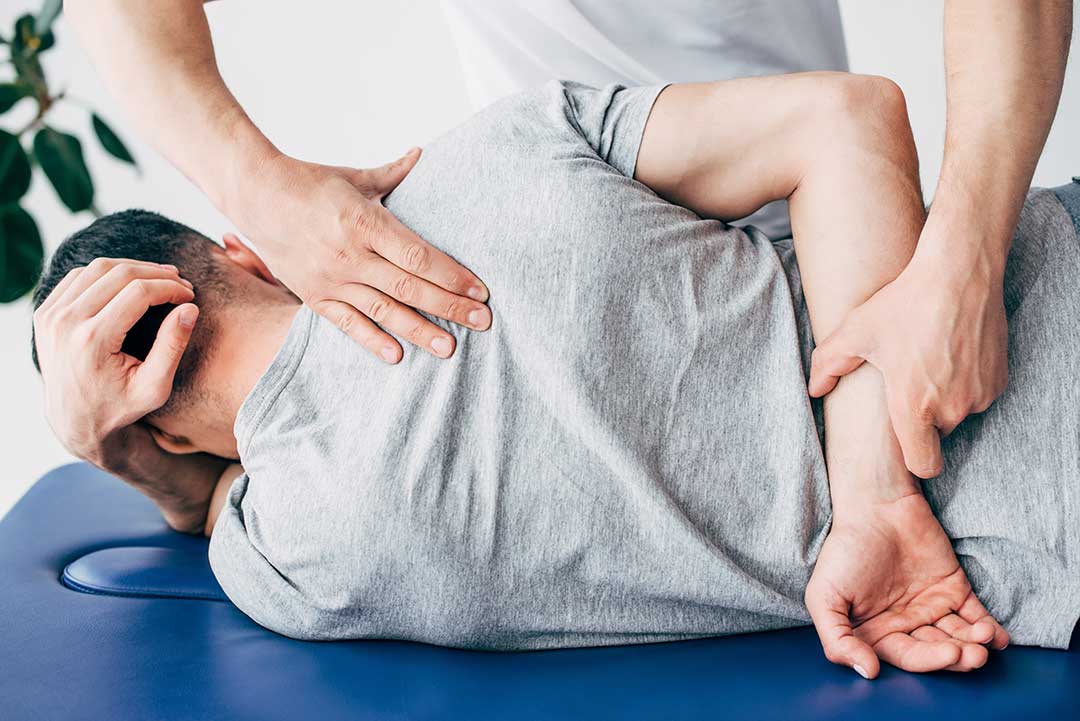
A joint infection can become serious quickly, and gout or autoimmune arthritis may require targeted treatment. Chiropractic care may be appropriate for certain movement and musculoskeletal concerns, but it should not delay evaluation of infection, fracture, neurological symptoms, or systemic illness.
For many households in the area, a practical routine is simple: move gently each day, use cold for recent swelling and warmth for stiffness, eat mostly whole foods, protect sleep, and track what worsens or improves symptoms. Recording the joint involved, activity level, swelling, stiffness, and other symptoms can make it easier to recognize patterns and explain them accurately during a medical evaluation.
