
 See Our Latest Article on HelloNation

What does “texting thumb” usually mean?
“Texting thumb” is a common description for thumb or wrist pain related to repeated phone use. It is not a single formal diagnosis. In some people, symptoms resemble de Quervain’s tenosynovitis, a condition affecting tendons along the thumb side of the wrist. In others, the discomfort may involve thumb-joint irritation, arthritis, muscle fatigue, or another repetitive strain problem. ([mayoclinic.org](https://www.mayoclinic.org/diseases-conditions/de-quervain-tenosynovitis/symptoms-causes/syc-20371332?utm_source=openai))
Typical symptoms include:
- Aching or sharp pain at the base of the thumb or along the thumb side of the wrist
- Swelling or tenderness
- Pain with gripping, pinching, opening jars, or turning a key
- Stiffness after using a phone
- A catching or sticking sensation when moving the thumb
- Discomfort that extends into the lower forearm
Repeated swiping and typing can contribute, but the way the phone is held often matters just as much. A bent wrist, forceful gripping, and using one thumb for long periods can place additional stress on the tendons.
How can phone use irritate the thumb?
The thumb is designed for frequent movement, but it still needs recovery time. Holding a phone in one hand while repeatedly reaching across the screen with the same thumb combines gripping, pinching, and small wrist movements. Over time, the tendon coverings may become irritated and swollen, making normal motion less comfortable. ([mayoclinic.org](https://www.mayoclinic.org/diseases-conditions/de-quervain-tenosynovitis/symptoms-causes/syc-20371332?utm_source=openai))
The problem may become more noticeable during periods of increased screen use, such as:
- Long text conversations
- Extended scrolling or gaming
- Work messages handled from a phone
- Reading while holding the device in one position
- Cold-weather phone use outdoors, when the hand may be tense or stiff
In Middletown, seasonal cold can make people hold their hands more rigidly or keep them tucked into sleeves while using a phone. That does not directly cause tendon irritation, but it may increase muscle tension and make an existing problem more noticeable.
What should be changed first?
The most useful early step is to reduce the movements that reproduce pain without completely immobilizing the hand. Rest does not always mean avoiding all hand activity. It usually means changing how often, how forcefully, and how long the thumb is used.
Try these adjustments:
- Use both hands to type rather than relying on one thumb.
- Switch hands during short tasks when possible.
- Use voice-to-text for longer messages.
- Hold the phone with a relaxed grip instead of squeezing it.
- Keep the wrist in a more neutral, straight position.
- Rest the phone on a table, pillow, or stand during longer reading sessions.
- Break phone use into shorter periods rather than one uninterrupted session.
- Increase text size so less precise thumb movement is needed.
- Avoid scrolling through a feed with the same thumb for extended periods.
Pain is a useful signal. If a movement causes a clear increase in pain during use or leaves the thumb more painful afterward, reduce that activity and try a different method.
Can ice or a brace help?
A cold pack may temporarily reduce pain and swelling. Wrap it in a thin cloth and apply it for a short period rather than placing ice directly on the skin. A cold pack can be especially reasonable after a period of heavier use or at the end of an activity that aggravated symptoms. ([mayoclinic.org](https://www.mayoclinic.org/diseases-conditions/de-quervain-tenosynovitis/symptoms-causes/syc-20371332?utm_source=openai))
A brace that supports the wrist and thumb may also help by limiting the movements that repeatedly irritate the area. A thumb-spica-style brace is designed to support both structures, but comfort and fit matter. It should not cause numbness, tingling, color changes, or increased pain.
A brace is generally most useful as a temporary aid during aggravating activities or sleep, not as a reason to keep overusing the thumb. If the hand becomes increasingly stiff or weak while braced, the fit and duration of use should be reassessed.
Should stretching or strengthening begin right away?
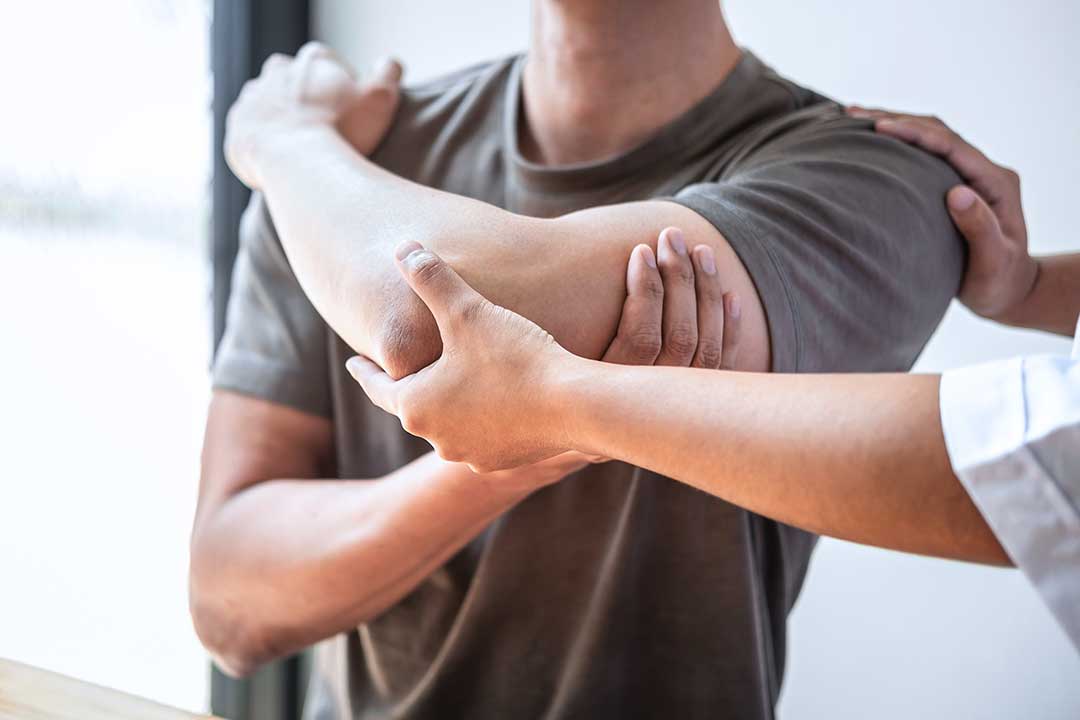
Gentle movement can help prevent stiffness, but forceful stretching is not appropriate when the thumb is acutely painful or swollen. Do not repeatedly perform painful maneuvers to “test” the tendon.
A reasonable starting point is comfortable motion:
- Slowly open and close the hand without making a tight fist.
- Move the thumb across the palm only through a comfortable range.
- Gently move the wrist up and down without forcing the end position.
- Stop if pain becomes sharp, swelling increases, or symptoms linger afterward.
Strengthening exercises may be useful later, once everyday movements are comfortable. The goal is gradual loading, not pushing through pain. A chiropractor, physical therapist, occupational therapist, or other qualified clinician may help determine whether the symptoms are coming from the thumb tendons, wrist, joints, or nerves.
Are pain medicines appropriate?
Over-the-counter pain medicines may help some adults, but they are not suitable for everyone. Nonsteroidal anti-inflammatory medicines, including ibuprofen and naproxen, can interact with other medicines and may be unsafe for people with certain kidney, stomach, heart, bleeding, or pregnancy-related concerns. ([mayoclinic.org](https://www.mayoclinic.org/diseases-conditions/de-quervain-tenosynovitis/symptoms-causes/syc-20371332?utm_source=openai))
Follow the product label and ask a pharmacist or medical clinician if there is any uncertainty. Pain relief should support reduced irritation; it should not be used to continue an activity that is clearly worsening the condition.
When might the problem be something other than texting thumb?
Thumb-side wrist pain is not automatically de Quervain’s tenosynovitis. Similar symptoms can occur with arthritis at the base of the thumb, a sprain, trigger thumb, nerve irritation, or an injury that happened during lifting, household work, or recreation.
A few clues may help describe the problem, although they cannot confirm a diagnosis:
- Pain directly at the thumb-side wrist may suggest tendon irritation.
- Pain deep at the thumb base with pinching may involve the thumb joint.
- Numbness or tingling may point toward nerve involvement.
- A catching sensation near the palm may be more consistent with trigger thumb.
- Sudden pain after a fall or impact raises concern for an injury.
Trying to force the thumb into a painful position as a self-test is not necessary. A clinical examination is safer and more useful when symptoms do not settle.
When should a Middletown resident seek evaluation?
Seek prompt medical evaluation after a fall, direct impact, visible deformity, severe swelling, inability to move the thumb, or sudden loss of strength. Numbness, a pale or blue appearance, marked warmth and redness, fever, or rapidly worsening pain also deserves timely attention.
For less urgent symptoms, arrange an evaluation if pain continues despite reduced phone use and basic self-care, interferes with work or sleep, or repeatedly returns. Mayo Clinic advises seeking care when pain or difficulty using the thumb remains after rest, cold therapy, and activity changes. ([mayoclinic.org](https://www.mayoclinic.org/diseases-conditions/de-quervain-tenosynovitis/symptoms-causes/syc-20371332?utm_source=openai))
Keeping a brief record can make an evaluation more useful. Note which activities trigger symptoms, whether pain is in the thumb or wrist, how long it lasts, and whether swelling, numbness, or weakness is present. That information can help distinguish a simple overuse pattern from a condition needing more specific treatment.
