
 See Our Latest Article on HelloNation

Back pain can make ordinary activities—getting out of bed, driving, lifting laundry, or sitting through a workday—surprisingly difficult. For many people in Middletown, NY, the first question is simple: should the painful area be cooled with ice or warmed with heat?
The practical answer is that ice is often more useful for a recent flare-up, while heat is commonly better for stiffness, muscle tightness, or ongoing discomfort. Neither option treats every cause of back pain, and comfort is a useful guide. If one clearly makes the pain worse, stop using it.
Is ice or heat better for a new back injury?
For pain that began after lifting, bending, shoveling, a fall, or another specific incident, ice may help during the first day or two. Cold can temporarily numb pain and may reduce irritation around a strained muscle or other recently aggravated tissue.
Use a cold pack wrapped in a thin towel for about 15 to 20 minutes at a time. Allow the skin to return to its normal temperature before repeating the application. Never place ice directly on the skin, and do not fall asleep while using a cold pack.
The old idea that ice must always be used for exactly 48 to 72 hours is too rigid. A recent injury may respond well to cold, but some people feel more relief from gentle warmth even during the first day. The response of the symptoms matters more than following a strict schedule.
When does heat make more sense?
Heat is often helpful when back pain feels tight, stiff, achy, or associated with muscle spasm. It may make movement more comfortable by helping tense muscles relax. A warm shower, heating pad, or covered hot-water bottle can be used for approximately 15 to 20 minutes.
Heat may be especially appealing during cold-weather months, when people in the region spend more time indoors, sit for longer periods, or become less active. However, a heating pad should be warm rather than painfully hot. Check the skin periodically, particularly if using heat while resting.
Heat is usually more useful before gentle movement, such as a short walk or easy range-of-motion exercises. It should not be used to push through severe pain.
Can ice and heat be alternated?
Yes. Alternating ice and heat can be reasonable when the back feels both irritated and tight. For example, heat may loosen stiffness before movement, while ice may calm soreness afterward.
There is no universal sequence that works for everyone. Try one method at a time and pay attention to how the back feels over the next several hours. Keeping a simple note of what helps can be useful, especially if symptoms continue.
Avoid switching rapidly between extreme temperatures. Use a cloth barrier for both hot and cold applications, and give the skin time to recover between sessions.
How should ice or heat be used safely?
Safe application matters as much as choosing the right temperature.
- Keep ice and heat sessions brief, generally 15 to 20 minutes.
- Place a towel or other fabric barrier between the skin and the pack.
- Stop if the skin becomes very red, pale, numb, blistered, or unusually painful.
- Do not lie or sleep on a heating pad.
- Do not apply heat over an area with reduced sensation.
- Avoid extreme temperatures if circulation is poor or if a person cannot reliably feel temperature changes.
- Inspect the skin after treatment, especially for older adults or anyone with nerve problems.
A warm bath can be an alternative to a heating pad. It may be easier to regulate and can provide general relaxation, but entering and leaving a tub may be unsafe for someone whose back pain affects balance or leg strength.
Should you rest while using ice or heat?
Briefly reducing painful activity can help, but prolonged bed rest usually does not. Unless a serious condition is suspected, light movement is generally better than staying in bed for several days.
Short walks around the home, changing positions regularly, and avoiding activities that sharply increase pain may support recovery. During a winter storm or icy period, take extra care with outdoor walking, snow removal, and carrying loads. A sudden slip or awkward twist can turn manageable soreness into a more significant injury.
Do not use heat or ice as a reason to continue lifting, shoveling, or exercising through worsening pain.
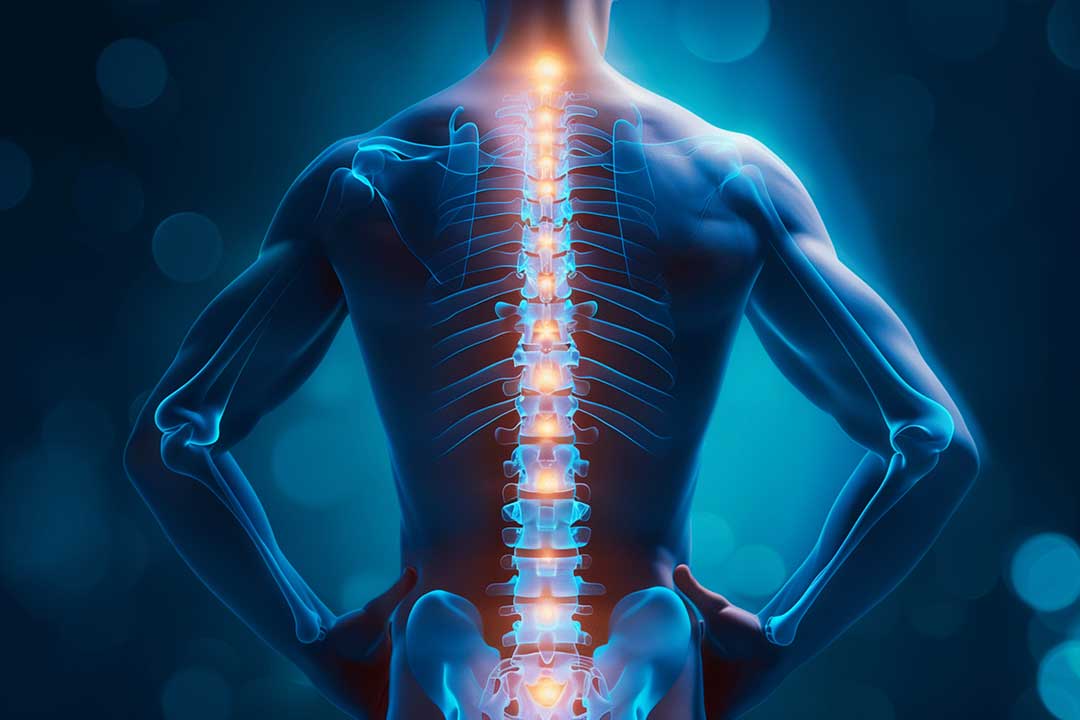
What if the pain travels into the leg?
Pain that travels from the lower back into the buttock or leg can involve irritation of a spinal nerve. Ice or heat may provide temporary comfort, but they do not identify or correct the underlying cause.
Seek prompt medical assessment if back pain is accompanied by:
- New or worsening leg weakness
- Numbness in the groin or inner thighs
- Loss of bladder or bowel control
- Fever, chills, or feeling acutely ill
- Unexplained weight loss
- Severe pain after a fall, collision, or other trauma
- Pain that is constant, worsening, or markedly worse at night
- New symptoms in someone with a history of cancer, significant infection, or osteoporosis
These symptoms require more than home temperature therapy. Emergency evaluation may be needed for sudden bladder or bowel changes, severe weakness, or numbness in the saddle area.
How long should back pain last before getting checked?
Many uncomplicated episodes improve over several days to a few weeks with continued gentle activity and basic self-care. If pain is not improving after a few weeks, keeps returning, or interferes with sleep, work, walking, or normal household tasks, an evaluation can help determine whether the problem is muscular, joint-related, nerve-related, or connected to another condition.
A chiropractor, physician, physical therapist, or other qualified healthcare professional may assess movement, strength, sensation, and contributing activities. The appropriate choice depends on the symptoms and the person’s medical history.
The simplest rule to remember
Use ice for a recent flare-up or soreness that feels irritated, and use heat for stiffness, tightness, or muscle spasm. Try either for a short, protected session and choose the option that improves comfort without causing skin irritation or worsening pain.
Temperature therapy works best as one small part of recovery—not as a substitute for movement, careful activity, or medical evaluation when warning signs are present.
