
 See Our Latest Article on HelloNation
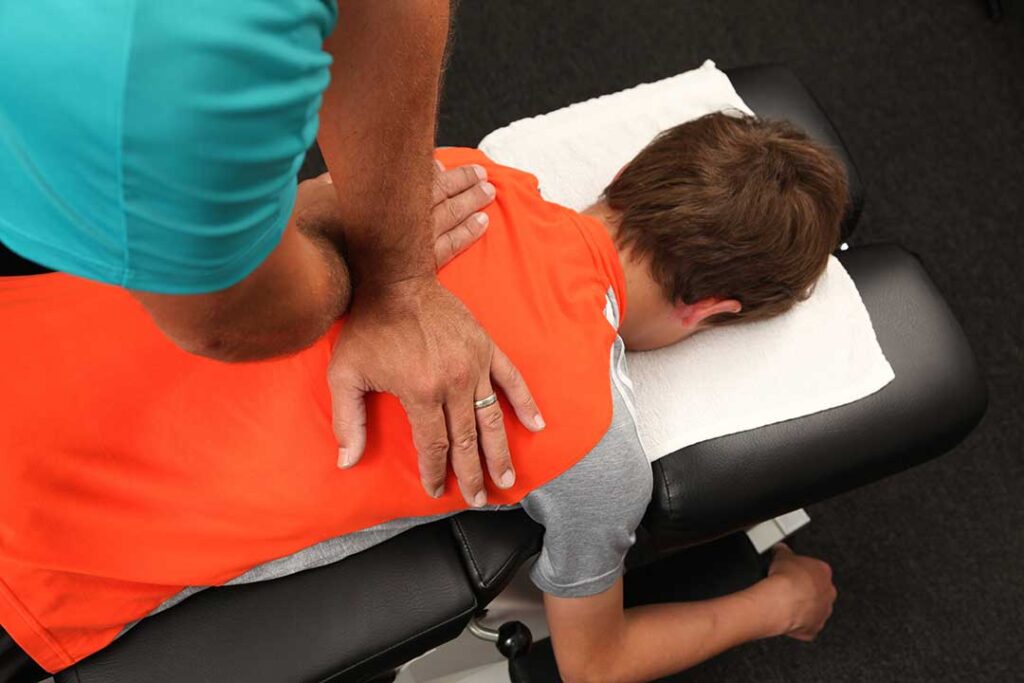
Poor posture is more than an appearance issue. Holding the head forward, rounding the shoulders, or sitting in one position for long periods can increase strain on the neck, back, hips, and supporting muscles. Over time, these habits may contribute to discomfort, reduced movement, headaches, fatigue, and difficulty performing everyday activities.
For residents of Middletown, NY, posture can be affected by workstations, driving, phone use, household tasks, winter clothing, and long periods indoors during cold weather. The goal is not to maintain a rigid “perfect” position all day. Healthy posture is usually a comfortable, changeable alignment that allows the body to move freely.
What does poor posture do to the body?
Poor posture changes how body weight and muscle effort are distributed. When the head moves forward from the shoulders, the muscles of the neck and upper back must work harder to support it. When the lower back is slumped, the pelvis and spinal joints may be placed under prolonged stress.
Common effects can include:
- Neck stiffness or aching
- Upper-back and shoulder tension
- Low-back discomfort
- Headaches related to muscle tension
- Reduced range of motion
- Numbness, tingling, or discomfort in an arm or leg
- Muscle fatigue after sitting or standing
- Difficulty maintaining balance or an upright position
Posture alone does not explain every pain problem. Injuries, arthritis, nerve irritation, muscle weakness, sleep habits, stress, and medical conditions can also contribute. A person may have a visibly rounded posture without pain, while someone with a subtle alignment change may experience significant symptoms.
How can sitting affect posture and spinal comfort?
Sitting becomes more stressful when it is prolonged, unsupported, or combined with forward bending. Common examples include leaning toward a laptop, looking down at a phone, sitting on a soft couch, or driving with the head pushed forward.
A chair does not need to force the body into one exact position. It should allow the feet to rest securely, the hips and knees to remain comfortable, and the upper body to stay reasonably supported. A screen placed too low may encourage repeated neck bending. A seat that is too deep can make it difficult to keep the back supported.
Helpful adjustments include:
- Keeping the top of a monitor near eye level
- Resting both feet on the floor or on a stable support
- Allowing the elbows to remain close to the body
- Using a small cushion or rolled towel if the lower back lacks support
- Changing position regularly instead of sitting rigidly
- Standing, walking, or gently moving for a few minutes at regular intervals
These suggestions apply to home offices, classrooms, vehicles, and work areas. They can also help during periods when local residents spend more time indoors because of snow, cold temperatures, or icy walking conditions.
Can poor posture cause headaches or affect breathing?
Poor posture may contribute to some tension-type headaches, especially when the neck, jaw, and upper-back muscles remain contracted for long periods. Forward-head positioning can also reduce comfortable neck movement and increase the workload of muscles around the shoulders.
A slumped upper body may limit how freely the ribs and chest expand during relaxed breathing. This does not mean poor posture causes a lung disease, and posture correction cannot replace medical evaluation for shortness of breath. However, sitting more upright and changing positions may make breathing feel less restricted for some people.
Headaches that are sudden, severe, new, associated with weakness or confusion, or accompanied by vision or speech changes require prompt medical attention. Recurrent headaches should also be discussed with a qualified health professional rather than automatically blamed on posture.
Does posture affect energy, concentration, or mood?
Holding an awkward position requires continuous muscle activity. That effort may contribute to a tired, tense feeling, particularly after computer work, driving, reading, or standing at a counter. Discomfort can also make it harder to concentrate or remain physically active.
The relationship between posture and mood is complex. Posture does not determine emotional health, and changing body position is not a treatment for depression or anxiety. Still, regular movement, comfortable alignment, daylight exposure, adequate sleep, and reduced muscle tension can support general well-being.
A useful approach is to treat posture as part of a broader daily routine. The body generally tolerates variety better than any single position held for hours.
What is “text neck,” and is it permanent?
“Text neck” is a common term for neck and upper-back discomfort associated with prolonged device use. Looking down at a phone or tablet can place the neck in a flexed position, while the hands and shoulders remain fixed. Symptoms may include aching, stiffness, shoulder tension, and headaches.
This does not mean phone use permanently damages the spine. The risk is more closely related to duration, repetition, force, and lack of recovery. Holding a device closer to eye level, using voice features when practical, supporting the arms, and taking frequent movement breaks can reduce strain.

Children and teenagers may need reminders because schoolwork, gaming, messaging, and entertainment can involve many hours of screen use. Breaks should include movement rather than simply switching from one seated device to another.
How can someone improve posture safely?
Posture usually improves through frequent, manageable changes rather than forcefully pulling the shoulders back all day. Overcorrecting can create new tension in the neck, ribs, or lower back.
Try the following:
- Let the shoulders rest naturally instead of squeezing the shoulder blades together
- Keep the chin level rather than lifting it or pushing it forward
- Shift between sitting, standing, and walking when possible
- Strengthen the legs, hips, abdomen, and upper back through appropriate exercise
- Stretch areas that feel restricted without forcing painful movement
- Adjust work surfaces so the body does not repeatedly bend or reach
- Notice posture during common tasks such as brushing teeth, cooking, driving, and carrying bags
Movement quality matters more than looking perfectly straight. A healthy spine normally has natural curves, and those curves should not be flattened or exaggerated.
When should posture-related pain be evaluated?
Discomfort that improves with movement and position changes is often less concerning than pain that is severe, progressive, or associated with neurological symptoms. Evaluation is appropriate when pain persists, repeatedly returns, limits normal activities, or follows a fall, collision, or lifting injury.
Prompt medical attention is warranted for back or neck pain accompanied by:
- New weakness in an arm or leg
- Loss of bladder or bowel control
- Numbness in the groin or inner thighs
- Fever, unexplained weight loss, or significant illness
- Chest pain or difficulty breathing
- Severe pain after a major injury
A chiropractor may assess movement, joint function, muscle tension, and ergonomic contributors, while other health professionals may be appropriate depending on the symptoms. Persistent pain sometimes requires coordinated care, exercise guidance, diagnostic testing, or evaluation for conditions unrelated to posture.
Good posture is best understood as adaptable alignment supported by regular movement. For local residents, practical improvements often begin with the places where the body spends the most time: the desk, vehicle, couch, kitchen, bedroom, and phone.
