
 See Our Latest Article on HelloNation
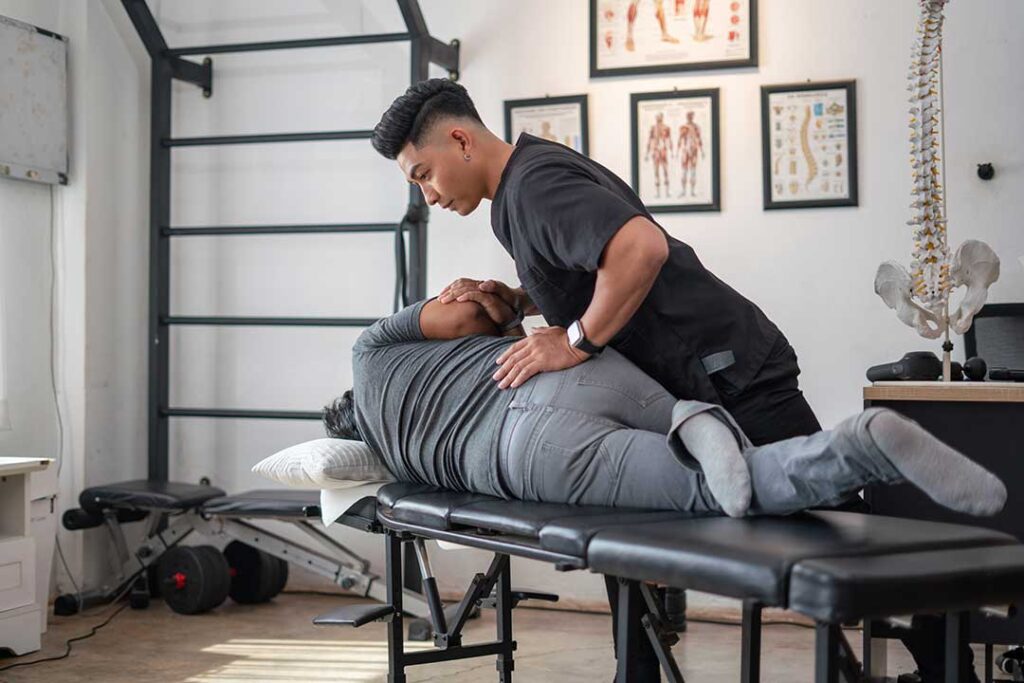
Sports injuries can affect athletes, active adults, and people who exercise recreationally. Chiropractic care may help some injuries by reducing pain, improving joint movement, and supporting a gradual return to normal activity. It is generally most useful as part of a broader recovery plan rather than as a replacement for emergency care, medical evaluation, or rehabilitation.
What types of sports injuries may benefit from chiropractic care?
Chiropractic care may be considered for certain muscle, joint, and movement-related injuries, especially when pain is connected to restricted motion or altered body mechanics. Common examples include:
- Lower-back pain after lifting, twisting, running, or contact
- Neck stiffness following a fall or collision
- Shoulder discomfort related to overuse or limited upper-back movement
- Hip or pelvic-area pain during running or field sports
- Muscle strains involving the back, hamstrings, or other large muscle groups
- Mild sprains affecting joints such as the ankle or wrist
- Repetitive-use problems caused by training errors, poor technique, or inadequate recovery
The appropriate treatment depends on the injury’s location, severity, timing, and cause. A sudden pop, major swelling, visible deformity, inability to bear weight, or loss of strength may indicate a more serious injury that needs prompt medical assessment.
How can chiropractic treatment help after an injury?
The primary goals are often to reduce discomfort, restore movement, and help the body tolerate normal activity again. Treatment may include joint mobilization, carefully selected spinal manipulation, soft-tissue techniques, stretching, strengthening exercises, and advice about modifying activity.
For example, an athlete with back pain may have difficulty rotating through the spine or extending the hips. Improving mobility in the involved areas may make walking, bending, or sport-specific movements more comfortable. Someone with neck stiffness may benefit from gentle movement and exercises that address the neck, shoulders, and upper back.
Chiropractic care does not “put an injury back into place” in a literal sense, and it cannot instantly repair a torn ligament, fractured bone, or severely damaged tendon. Its potential value is usually related to managing pain and movement while the injured tissues recover.
Does chiropractic care speed up recovery?
It may help some people move more comfortably during recovery, but the time required for healing depends on the tissue involved. A mild muscle strain may improve over days or weeks, while a ligament injury, tendon problem, fracture, or significant joint injury may take much longer.
Recovery also depends on sleep, nutrition, training load, age, previous injuries, and whether the person continues to aggravate the area. Returning to full intensity simply because pain has decreased can create a false sense of recovery. Strength, coordination, balance, and sport-specific tolerance also need to return.
For that reason, chiropractic treatment is often combined with progressive exercise. A useful plan may begin with comfortable range-of-motion work, then add basic strength, balance, endurance, and eventually movements that resemble the person’s sport.
What happens during an evaluation?
A careful evaluation should begin with questions about how the injury happened, where symptoms are located, what movements make them better or worse, and whether symptoms are changing. The assessment may include posture, walking, joint motion, muscle strength, balance, and basic neurological checks.
A sports injury is not always located where it hurts. For example, knee symptoms may be influenced by hip strength or ankle mobility, while shoulder discomfort may be affected by movement in the upper back. Looking at related areas can help identify factors that contribute to repeated strain.
Imaging is not needed for every injury, but it may be appropriate when there is concern about a fracture, dislocation, significant tissue damage, or symptoms that do not follow an expected pattern. A person should not be manipulated simply because pain is present without first considering the possible cause.
Can chiropractic care help prevent sports injuries?
It may help identify movement limitations or strength imbalances that increase stress on certain joints. However, injury prevention is not based on spinal adjustments alone. The most reliable prevention habits usually include gradual training progression, adequate warm-up, strength development, good technique, rest, and appropriate equipment.
For active residents in Middletown, seasonal conditions can also affect training. Cold weather may make muscles feel stiffer at the beginning of outdoor activity, while uneven surfaces, wet pavement, ice, or changing field conditions can increase the risk of slips and awkward landings. A longer warm-up, suitable footwear, and attention to surface conditions can be especially useful during outdoor exercise.
Prevention also involves avoiding sudden increases in mileage, lifting weight, practice duration, or competitive intensity. A body that handles a short recreational workout may not be ready for a tournament, race, or long weekend of activity without gradual preparation.
What injuries should not be treated with chiropractic manipulation first?
Some symptoms require medical evaluation before manual treatment is considered. These include:
- Suspected fracture or dislocation
- Severe swelling, bruising, or deformity
- Inability to walk or use the injured limb
- Progressive weakness, numbness, or loss of coordination
- Loss of bladder or bowel control with back pain
- Severe pain after a major collision or fall
- Chest pain, shortness of breath, or unexplained dizziness
- Fever or signs of infection near a painful joint
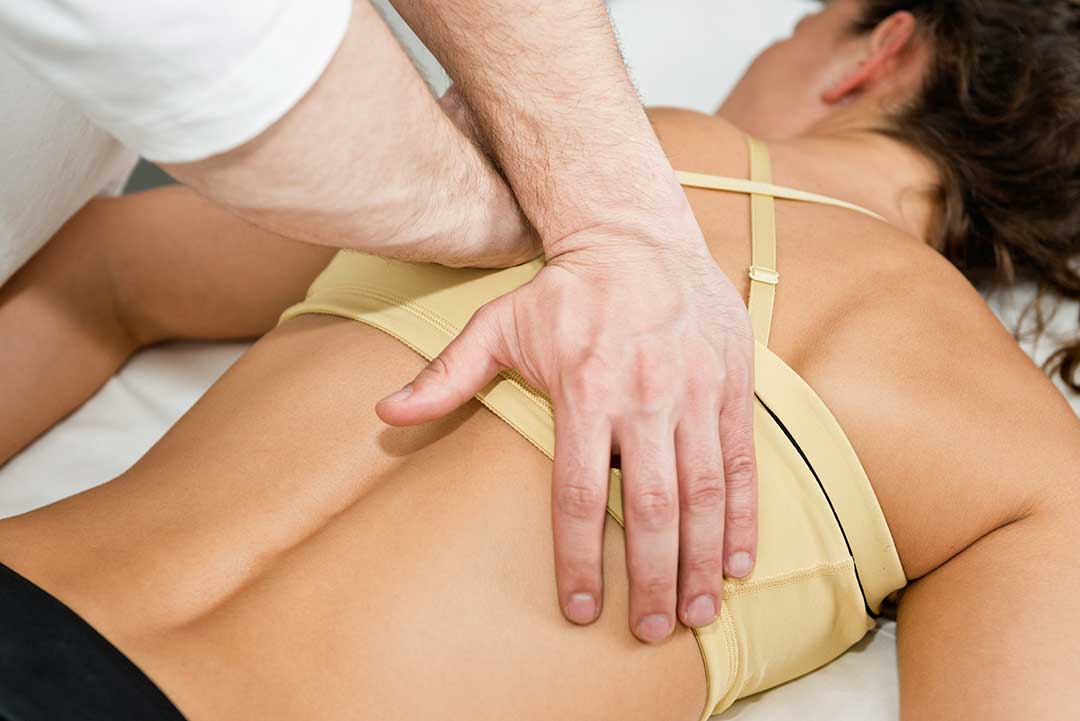
Neck manipulation deserves particular caution after a collision, fall, or head impact. The injury may involve more than muscle tightness, and forceful treatment should not be used to mask symptoms that have not been properly evaluated.
What about concussions?
Chiropractic care is not a substitute for concussion assessment or management. Symptoms such as headache, confusion, dizziness, nausea, balance problems, unusual fatigue, sensitivity to light, memory difficulty, or changes in behavior should be taken seriously after a head impact.
An athlete with a possible concussion should be removed from play and evaluated by an appropriate healthcare provider. Return to sports should occur through a gradual, supervised progression. If symptoms return during increased activity, the athlete has advanced too quickly and should step back in the recovery plan.
Manipulating the neck does not treat the brain injury itself. Any neck pain occurring with a possible concussion should be evaluated in the context of the entire injury.
How should an athlete return to activity?
Pain-free rest is not the only measure of readiness. A safer return usually progresses from ordinary daily activity to light exercise, then to more demanding movements, practice, and competition. Each stage should be tolerated without a meaningful increase in pain, swelling, weakness, dizziness, or loss of coordination.
A gradual plan may include:
- Walking or easy cycling
- Basic mobility and strengthening
- Running, jumping, or lifting at reduced intensity
- Controlled sport-specific drills
- Full practice
- Competition after the previous stages are tolerated
The exact progression depends on the injury. Persistent symptoms, repeated flare-ups, or declining performance are reasons to reassess the diagnosis and recovery plan rather than repeatedly treating the same pain.
What is the main limitation of chiropractic care for sports injuries?
Chiropractic care may support movement and symptom management, but it is not a universal treatment for every athletic injury. The strongest role is often within coordinated care that may also involve primary care, sports medicine, physical therapy, athletic training, or orthopedic evaluation.
The most useful approach is one that matches treatment to the injury, uses exercise to rebuild capacity, and respects the body’s healing timeline. For local athletes and active households, that means focusing not only on reducing pain but also on restoring strength, balance, confidence, and the ability to perform everyday and sport-related movements safely.
