
 See Our Latest Article on HelloNation

Chiropractic Care Alternatives to Surgery
Can chiropractic care help someone avoid surgery?
Sometimes, but not in every case. Chiropractic care may help manage certain types of back, neck, and joint pain without an operation, particularly when symptoms are related to restricted movement, muscle strain, joint irritation, or nonspecific low-back pain. The goal is usually to improve function, reduce pain, and support normal activity while the body heals.
Surgery is more likely to be necessary when there is severe nerve compression, significant weakness, spinal instability, a serious injury, infection, cancer, or another condition that cannot be corrected through conservative care. Chiropractic treatment should not be viewed as a universal substitute for surgery. It is one possible part of a broader, non-surgical treatment plan.
For residents of Middletown, NY, this distinction matters. Back and joint pain can be aggravated by winter conditions, snow removal, long commutes, physically demanding work, prolonged sitting, or repeated lifting at home. Understanding the cause of pain is more useful than assuming that either surgery or chiropractic care is automatically the right answer.
What non-surgical treatments may be considered?
Several conservative approaches may be used before surgery, depending on the diagnosis, symptoms, general health, and treatment response.
Spinal manipulation and mobilization
Chiropractic treatment may include spinal manipulation, which uses a controlled movement to affect a spinal joint, or gentler mobilization techniques. These approaches may provide modest short-term improvement for some people with acute, subacute, or chronic low-back pain.
Manipulation is not appropriate for every person or every condition. A careful history and physical examination should come first, especially after a fall, vehicle collision, sports injury, or sudden change in symptoms.
Therapeutic exercise
Exercise is often a central part of non-surgical care. It may focus on:
- Core and trunk endurance
- Hip and leg strength
- Flexibility
- Balance and coordination
- Posture and movement control
- Gradual return to lifting, walking, or recreational activity
Passive treatment alone may provide temporary relief, but lasting improvement often depends on rebuilding strength and confidence with movement. Exercises should be adjusted if they cause sharp, radiating, or progressively worsening pain.
Physical therapy
Physical therapy may be used independently or alongside chiropractic care. A plan can include strengthening, mobility exercises, manual techniques, walking progression, body-mechanics education, and strategies for managing work or household demands.
This can be especially practical for people whose symptoms return during seasonal chores such as shoveling, gardening, home maintenance, or moving equipment. The emphasis is usually on improving the activities that matter in daily life rather than treating an imaging finding alone.
Heat, cold, and activity modification
Short periods of heat may ease muscle tightness, while cold can sometimes help after a recent aggravation. Neither should be applied directly to the skin for prolonged periods.
Remaining gently active is generally preferable to extended bed rest for ordinary back pain. Temporary changes may still be useful, such as reducing heavy lifting, avoiding repeated twisting, taking brief walking breaks during desk work, or changing how snow, laundry, or groceries are handled.
Medication and other medical options
Over-the-counter pain relievers or anti-inflammatory medicines may help some people, but they are not safe for everyone. Kidney disease, stomach ulcers, blood-thinning medication, pregnancy, allergies, and other health conditions can change what is appropriate.
Depending on the diagnosis, a medical clinician may also discuss prescription medication, injections, or additional testing. These options should be considered as part of an individualized plan rather than as automatic steps before surgery.
Massage, acupuncture, yoga, and tai chi
Massage may temporarily reduce muscle tension. Acupuncture, yoga, tai chi, mindfulness practices, and relaxation exercises may help some people manage chronic pain, stress, and movement-related fear.
These approaches tend to work best when matched to the person’s condition and used with active rehabilitation. A gentle class or routine may be reasonable for some individuals, while others may need significant modifications because of balance problems, osteoporosis, recent surgery, or nerve symptoms.
Does a herniated disc always require surgery?
No. Many herniated discs improve with time and conservative care. Symptoms may include back pain, buttock pain, or pain traveling into an arm or leg. A disc finding on an MRI does not automatically explain every symptom, because disc changes can also occur in people without pain.
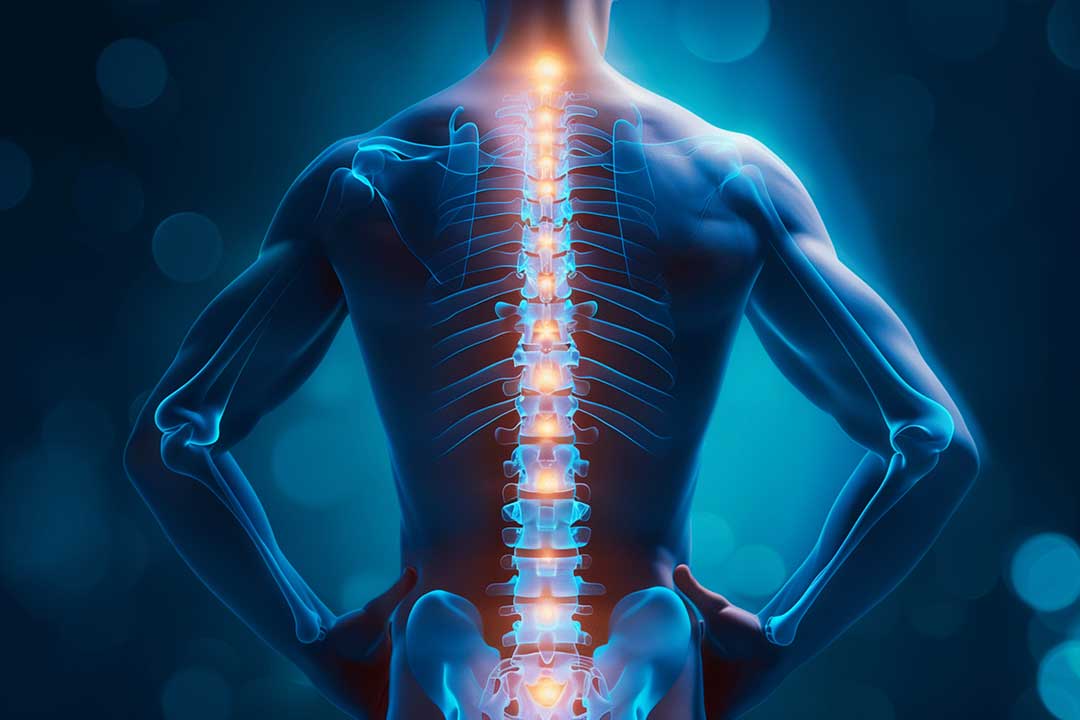
Non-surgical care may include activity modification, exercise, medication guidance, and treatment directed at mobility and function. Surgery becomes more urgent when nerve compression causes progressive muscle weakness, serious loss of function, or certain bowel or bladder problems.
The pattern, severity, and progression of symptoms matter more than the scan by itself.
When should chiropractic care be postponed or avoided?
Certain symptoms require prompt medical evaluation rather than routine conservative treatment. Warning signs can include:
- New or worsening weakness in an arm or leg
- Loss of bladder or bowel control
- Numbness in the groin or inner-thigh area
- Severe pain after a major fall or collision
- Fever, unexplained weight loss, or a history of cancer
- Severe pain that is constant, worsening, or unrelated to movement
- Unexplained nighttime pain
- New symptoms in a person with significant osteoporosis or immune suppression
These signs do not prove that surgery is needed, but they may indicate a condition requiring urgent diagnosis. Delaying evaluation can create unnecessary risk.
How can someone tell whether non-surgical care is working?
Improvement is usually measured by function, not only by pain scores. Useful signs include walking farther, sleeping better, tolerating sitting, lifting with less difficulty, returning to work tasks, or needing fewer pain-relief measures.
A reasonable plan should also have a way to reassess progress. If symptoms are unchanged after an appropriate trial, repeatedly return, or continue to limit normal activities, the diagnosis and treatment approach may need to be reconsidered. Additional medical evaluation or imaging may be appropriate in selected cases.
A treatment plan should be specific about what is being attempted, what improvement is expected, and what symptoms would require a change in direction.
Is avoiding surgery always the goal?
Not necessarily. Surgery can be appropriate and beneficial for selected conditions, particularly when there is serious nerve compression, structural instability, or a problem that has not responded to well-planned conservative treatment.
The better goal is informed care: identifying the source of symptoms, treating reversible contributors, maintaining safe movement, and recognizing when non-surgical care is no longer sufficient. For many ordinary episodes of back or joint pain, a combination of education, exercise, activity changes, and carefully selected hands-on treatment may provide a reasonable path forward. For more serious conditions, timely medical evaluation should take priority over trying to avoid an operation at all costs.
