
 See Our Latest Article on HelloNation

What does “subluxation” mean?
A subluxation is a partial loss of normal movement or alignment at a joint. The word is used in two different ways, and understanding that distinction helps prevent confusion.
In conventional medicine, a subluxation usually means a joint is partially dislocated. This can occur after significant trauma and may involve damage to ligaments, bones, nerves, or surrounding tissues. A traumatic subluxation may require urgent evaluation.
In chiropractic care, “vertebral subluxation” is often used more broadly to describe a spinal joint that is not moving normally, feels restricted, or is associated with changes in muscle tension, posture, or local discomfort. This use does not necessarily mean that a vertebra has slipped out of place or that the spinal cord is being compressed.
A person can have limited spinal movement without having a dangerous structural injury. Likewise, serious conditions can sometimes cause pain with little visible change in posture. The word alone does not establish how severe a problem is.
Why can a spinal joint become restricted?
Spinal movement may change because of several factors rather than one single cause. Common contributors include:
- A sudden lift, twist, fall, or collision
- Repetitive work involving bending, reaching, or carrying
- Long periods of sitting, especially with limited movement breaks
- Muscle guarding after an injury
- Poor sleep, stress, or fatigue that increases muscle tension
- Reduced strength or mobility in the hips, shoulders, or trunk
- Age-related changes affecting joints and discs
Seasonal routines can also affect symptoms. In Middletown, winter conditions may mean more time indoors, less regular activity, and occasional slips on snow or ice. Shoveling, clearing vehicles, and carrying heavier loads after a storm can place unusual demands on the low back, neck, and shoulders.
A restricted joint is not always painful. Some people notice stiffness or reduced range of motion, while others experience aching, muscle tightness, or pain that changes with movement.
What symptoms might be associated with it?
A suspected movement-related spinal problem may cause localized discomfort, stiffness, or tenderness. Symptoms can appear in the neck, mid-back, or low back and may be more noticeable after sitting, driving, lifting, or remaining in one position.
Some people also report:
- A feeling that one side is moving differently from the other
- Muscle tightness or protective spasms
- Reduced ability to turn the head or bend comfortably
- Aching that improves with gentle movement
- Pain that spreads into the shoulder, buttock, or upper leg
These symptoms are not specific to subluxation. Similar complaints can result from a strained muscle, irritated joint, disc-related pain, arthritis, nerve irritation, or conditions unrelated to the spine. A symptom pattern should be considered more important than the label used to describe it.
Pain traveling below the knee, persistent numbness, tingling, or weakness may suggest nerve involvement and should not automatically be attributed to a simple joint restriction.
Does a subluxation show up on an X-ray?
Not necessarily. A true traumatic partial dislocation may be visible on imaging, but many movement restrictions described in chiropractic settings are functional findings rather than a clearly visible displacement.
Imaging can be useful when there has been significant trauma, when symptoms are persistent or worsening, or when a serious condition is suspected. However, imaging findings do not always explain pain. Many adults have age-related changes on X-rays or scans without symptoms, while others have substantial discomfort without a dramatic imaging abnormality.
A careful evaluation generally considers the history of the problem, movement, strength, sensation, reflexes, previous injuries, medications, and other health conditions. Imaging is only one part of that process.
Why does the distinction matter?
The distinction matters because the word “subluxation” can sound more alarming than the actual finding. A restricted spinal joint is not the same as a fracture, spinal cord injury, or major dislocation.
It also matters because treatment should match the suspected cause. For uncomplicated mechanical back or neck pain, care may include staying reasonably active, modifying aggravating activities, using heat or cold when helpful, improving movement gradually, and addressing strength or mobility limitations. Spinal manipulation is one treatment option used by several licensed health professionals, but it is not appropriate for every person or every diagnosis.
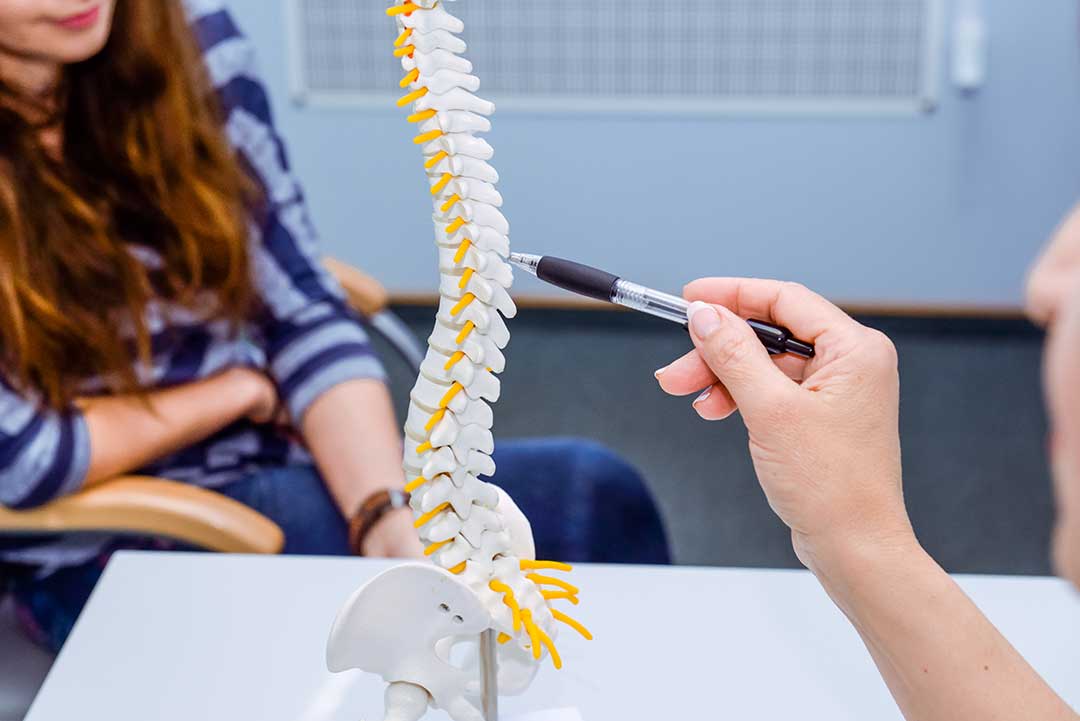
A responsible evaluation should also consider whether another type of care is needed. Severe trauma, infection, inflammatory disease, cancer, osteoporosis, or significant nerve compression can require medical testing or urgent treatment rather than routine treatment for a presumed movement restriction.
When should someone seek urgent medical attention?
Back or neck pain needs prompt medical attention when it occurs with warning signs such as:
- New loss of bowel or bladder control
- Numbness around the inner thighs, groin, or buttocks
- Sudden or progressive weakness in an arm or leg
- Loss of feeling or inability to move after a neck or back injury
- Severe pain after a fall, collision, or other major trauma
- Fever, unexplained weight loss, or a history of cancer
- Pain that is severe at rest or repeatedly wakes someone at night
- New problems with balance, walking, or coordination
A person with sudden paralysis, major loss of sensation, or a suspected spinal cord injury should use emergency services rather than attempting to drive or move unnecessarily.
Less urgent but persistent symptoms also deserve attention, particularly when pain continues to worsen, repeatedly returns, or interferes with work, sleep, walking, or normal household activities.
Can a person prevent subluxation?
No strategy can prevent every joint injury or episode of back pain. Risk may be reduced by maintaining regular movement, building strength gradually, using safe lifting habits, and avoiding sudden increases in physical workload.
For tasks such as snow removal or moving household items, smaller loads and frequent breaks are safer than trying to finish quickly. Keeping walkways clear and using appropriate footwear may also reduce the risk of falls during icy conditions.
People who sit for long periods may benefit from changing position regularly rather than trying to maintain one “perfect” posture all day. Comfortable posture is usually more sustainable than rigid positioning.
What is the practical takeaway?
“Subluxation” can refer either to a medically recognized partial dislocation or to a chiropractic description of altered joint motion. Neither meaning should be assumed without context.
For Middletown residents, the most useful questions are: What caused the symptoms? Are there signs of nerve involvement or serious injury? Is movement improving or worsening? Does the proposed explanation fit the examination and the person’s overall health?
Understanding those questions helps separate ordinary mechanical stiffness from problems that require prompt medical evaluation.
