
 See Our Latest Article on HelloNation
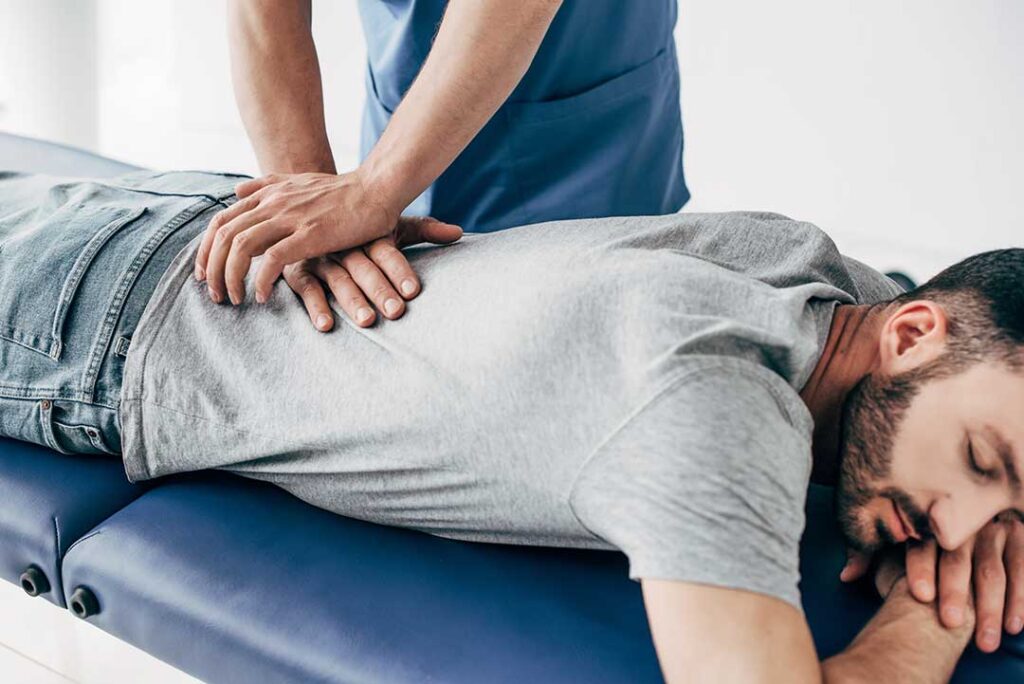
Daily chores can place repeated stress on the lower back, neck, shoulders, and hips. In Middletown, NY, seasonal tasks such as clearing snow, carrying damp laundry, raking leaves, gardening, and moving household items may add extra strain when performed quickly or with awkward body positions.
Protecting the spine does not require avoiding normal activity. It usually means changing how tasks are planned, lifted, carried, and paced.
Why can ordinary chores irritate the spine?
Repeated bending, twisting, reaching, and lifting can overload muscles and joints, especially when several movements happen at once. A task that seems light may become difficult when it is repeated for an hour or performed while tired.
Common examples include:
- Bending over a low bathtub or litter box
- Carrying laundry baskets away from the body
- Lifting wet clothing, bags, or boxes
- Reaching overhead to store items
- Twisting while unloading a dishwasher
- Shoveling snow or wet leaves
- Pulling weeds or working in a crouched position
- Vacuuming with a long, repeated reach
The spine is designed to move, but it handles load more efficiently when the body stays balanced and the object remains close. The combination of bending forward and rotating at the same time is particularly demanding.
What is the safest way to lift household items?
The safest lifting method begins before the object leaves the floor. Estimate its weight, clear the path, and decide where it will be placed. If the item is awkward, divide the load or ask for assistance when necessary.
For a typical lift:
1. Stand close to the object with feet about shoulder-width apart.
2. Bend at the hips and knees rather than folding only at the waist.
3. Keep the object close to the center of the body.
4. Brace the abdominal muscles gently without holding the breath.
5. Rise through the legs while keeping the back in a comfortable, neutral position.
6. Turn by moving the feet instead of twisting the trunk while carrying.
“Lift with your legs” does not mean forcing the knees into a deep squat for every object. It means sharing the work among the hips, thighs, and trunk instead of placing all the demand on the low back.
A lighter object can still cause pain if it is held far away, lifted repeatedly, or carried while the body is rotated.
How should laundry, groceries, and other loads be carried?
Carrying is often more stressful than lifting because the load may remain in place for several minutes. Use smaller loads when possible, and alternate sides rather than carrying everything on one hip or in one hand.
A backpack with two usable shoulder straps can distribute weight more evenly than a single-strap bag. For hand-carried items, keep the load close to the body and avoid allowing the arms to hang far forward.
Laundry baskets are easier to manage when they are only partly full. Placing the basket on a raised surface before transferring clothing can reduce repeated bending. When moving groceries, divide the weight between both hands and make multiple trips rather than attempting to carry too much at once.
If a load blocks the view of the floor or stairs, it is too large to carry safely in that position.
How can bending and reaching be made easier?
Many household tasks can be adjusted by changing the height of the work area. Place frequently used items between waist and shoulder level when practical. Use a long-handled tool for dusting or cleaning floors, but keep the handle close enough that the shoulders do not remain lifted.
For low tasks, kneel on a pad or sit on a stable low stool instead of bending forward continuously. Change positions often. Remaining in one posture for a long period can be uncomfortable even when the posture looks “correct.”
When unloading a dishwasher, bring dishes toward the body before standing. Avoid reaching across the open door and twisting repeatedly. When making a bed, walk around the sides instead of leaning across the mattress.
The goal is not to maintain one rigid posture. The goal is to avoid staying at the end range of bending, reaching, or twisting for too long.
What should Middletown residents consider during outdoor chores?
Seasonal conditions can make outdoor work more physically demanding. Cold temperatures may make muscles feel stiff, while wet soil, packed snow, and damp leaves are heavier than they appear. Uneven ground can also change balance and foot placement.
Before outdoor chores:
- Walk through the work area and remove tripping hazards.
- Wear footwear with dependable traction.
- Warm up with several minutes of easy walking and gentle movement.
- Break large jobs into shorter work periods.
- Use tools with handles that allow an upright, comfortable position.
- Push rather than pull heavy items when the surface permits.
- Avoid throwing snow or debris repeatedly across the body.
Snow shoveling deserves particular caution because it combines lifting, pushing, bending, and rotation. Push smaller amounts whenever possible. If lifting is necessary, face the direction of the throw and move the feet instead of twisting the spine.
Should a person keep moving if a chore causes back pain?
Mild soreness does not always mean the spine has been damaged, and complete bed rest is generally not helpful for ordinary back pain. However, pain that increases sharply, travels down a leg, causes new weakness, or changes the way a person walks should not be ignored.
A practical response is to stop the aggravating task, change position, take a brief walk if comfortable, and return gradually to normal activity. Avoid repeatedly testing the painful movement. For some people, a wrapped cold pack or gentle heat may provide short-term comfort, but these measures do not replace evaluation when symptoms are persistent or worsening.
Pain that continues for several weeks, interferes with sleep or daily activities, or repeatedly returns during basic chores deserves medical assessment. A clinician can help determine whether the problem is related to muscles, joints, nerves, or another condition.
Which symptoms require urgent attention?
Most episodes of household-related back pain are not emergencies. Immediate medical attention is warranted for back pain accompanied by:
- New loss of bladder or bowel control
- Difficulty urinating or inability to sense a full bladder
- Numbness around the groin, inner thighs, or buttocks
- Severe or rapidly worsening weakness in one or both legs
- Numbness or weakness affecting both legs
- Fever, feeling very unwell, or severe pain after a significant fall
These symptoms can signal pressure on nerves or another serious condition. They should not be managed solely with stretching or home exercise.
How can chores be organized to reduce strain?
The most protective routine is usually a planned one. Alternate demanding tasks with lighter activities, switch between standing and walking, and avoid completing every chore in one long session.
A simple approach is to:
- Prepare supplies before starting.
- Keep commonly used items within easy reach.
- Use a cart or wheeled container when appropriate.
- Change tasks every 15 to 30 minutes.
- Pause before fatigue changes lifting technique.
- Use both hands for awkward objects.
- Keep pathways clear before carrying anything.
Spinal protection is less about finding a perfect posture and more about controlling load, reducing unnecessary twisting, and allowing the body regular opportunities to change position. Those habits can make cleaning, laundry, gardening, and seasonal work more manageable for households throughout the community.
