
 See Our Latest Article on HelloNation
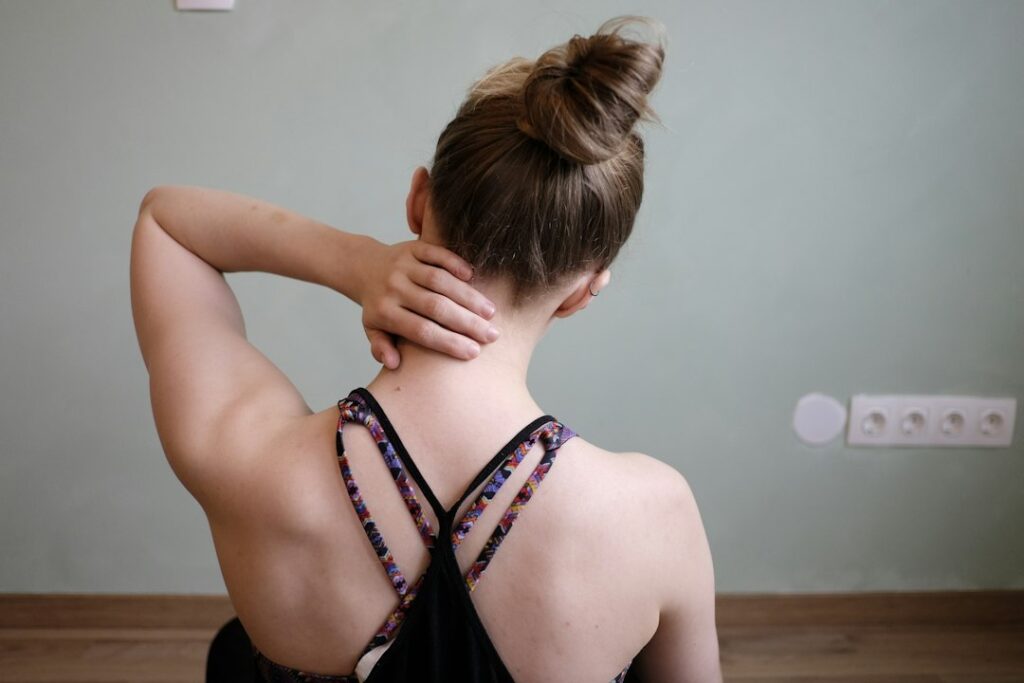
Neck clicking is usually caused by normal movement inside the joints, tendons, or surrounding tissues. The sound may be harmless when it occurs without pain or other symptoms, but clicking that begins after an injury or appears with weakness, numbness, dizziness, or severe pain deserves medical attention.
What causes clicking in the neck?
The neck contains small joints, discs, muscles, ligaments, and tendons that work together every time the head turns or tilts. Clicking, popping, cracking, or grinding sounds can come from several sources.
One common cause is a change in pressure within a joint. Small gas pockets can form in joint fluid and shift as the neck moves, producing a pop. This is similar to the sound sometimes heard when knuckles are cracked.
Other sounds occur when a tendon or ligament moves across a nearby bone. Tight muscles, temporary stiffness, or changes in movement can make this more noticeable. The sound may be felt near the base of the skull, along the side of the neck, or near the upper shoulders.
A rougher grinding or crunching sensation, sometimes called crepitus, may occur when joint surfaces or nearby tissues move less smoothly. This can become more common with age, previous injury, or wear-related changes in the cervical spine.
Is neck clicking usually serious?
Clicking by itself is rarely a sign of serious damage. Many people hear neck noises during ordinary activities such as looking over a shoulder, getting out of bed, checking a blind spot while driving, or turning the head after sitting at a desk.
The sound is generally less concerning when:
- It is occasional rather than constant.
- It does not cause pain.
- There is no swelling or visible deformity.
- Neck movement remains comfortable and normal.
- No symptoms travel into the shoulder, arm, or hand.
A clicking sound does not automatically mean that a vertebra is “out of place,” that the neck is deteriorating, or that arthritis is present. Sound alone cannot identify the exact cause.
Why might clicking be more noticeable during winter?
Seasonal habits can make neck sounds easier to notice in Middletown, NY. Cold weather may lead people to tense their shoulders, spend more time indoors, or remain in one position while using computers, phones, or televisions. Snow removal, carrying heavier clothing, and winter travel can also temporarily strain the neck and upper back.
Cold temperatures do not necessarily damage the joints, but they may contribute to muscle tightness and reduced movement. Gentle activity, warm layers, and changing positions regularly can help prevent stiffness from becoming a persistent problem.
Can poor posture cause clicking?
Posture is not always a single cause of neck pain or joint noise, but prolonged positioning can affect how the neck moves. Looking downward at a phone, leaning toward a screen, or resting the head against an awkward pillow may increase muscle tension and make clicking more noticeable.
The goal is not to hold the neck rigidly in a “perfect” position. Frequent movement is usually more useful than trying to maintain one fixed posture all day.
Helpful habits include:
- Raise screens closer to eye level when practical.
- Support the back while sitting.
- Keep both feet supported during longer periods of desk work.
- Change position every 30 to 60 minutes.
- Perform slow, comfortable head turns instead of forceful stretching.
- Avoid carrying bags repeatedly on one shoulder.
What is the difference between clicking and intentionally cracking the neck?
A neck that clicks during normal movement is different from repeatedly forcing the neck to crack. Intentional cracking usually involves rotating or pulling the head until a pop occurs.
Occasional gentle movement is not the same as forceful manipulation. Repeatedly forcing the neck can irritate muscles and joints, increase soreness, or place unnecessary strain on supporting tissues. A sudden, forceful neck movement can rarely injure a blood vessel or nerve.

If the neck feels as though it must be cracked repeatedly to move comfortably, that pattern may point to stiffness, muscle tension, joint irritation, or another issue that should be assessed rather than continually forced.
When can clicking be related to arthritis or an older injury?
Age-related changes in the cervical spine may cause stiffness, reduced range of motion, or grinding sounds. These changes can include narrowing around spinal joints, disc wear, or small bone spurs. They do not always cause pain, and hearing a click does not prove that arthritis is present.
A previous whiplash injury, fall, sports injury, or other trauma can also alter movement patterns. Symptoms that begin after an injury should not be dismissed simply because the pain seems mild at first. Muscle strain, ligament irritation, or joint injury may take time to become apparent.
What can residents do at home?
For mild clicking without warning signs, normal daily movement is usually preferable to complete rest. Gentle neck rotations, shoulder movements, walking, and regular position changes may reduce stiffness.
Heat can help relax tight muscles, while a wrapped cold pack may be useful after a recent minor strain. Neither should be applied directly to the skin or for prolonged periods. Over-the-counter pain medicine may help some adults, but it is not appropriate for everyone, particularly people with certain stomach, kidney, heart, bleeding, pregnancy, or medication concerns.
Avoid aggressive stretching, rapid twisting, self-manipulation, or exercises that reproduce sharp pain, tingling, dizziness, or unusual symptoms.
When should neck clicking be checked promptly?
Seek urgent medical care after a significant fall, collision, diving injury, or other forceful event, especially if neck pain is severe or worsening.
Prompt evaluation is also appropriate when clicking occurs with:
- Numbness, tingling, or weakness in an arm or leg.
- Pain that travels into the shoulder, arm, or hand.
- Trouble walking, balancing, or using the hands.
- Severe headache, dizziness, fainting, vision changes, or speech difficulty.
- Fever, unexplained weight loss, or feeling unusually ill.
- Loss of bladder or bowel control.
- Persistent pain that does not improve with ordinary self-care.
Sudden neurological symptoms, severe neck pain after trauma, or symptoms suggesting a stroke require emergency attention.
For residents who notice only painless, occasional clicking, observation and gentle movement are often reasonable. The sound matters less than the overall pattern: whether it is painful, worsening, linked to injury, or accompanied by changes in strength, sensation, balance, or coordination.
