
 See Our Latest Article on HelloNation

Why does spinal health matter to quality of life?
Spinal health affects more than back comfort. The spine supports movement, helps protect the spinal cord, and works with muscles, joints, nerves, and connective tissues to make everyday activities possible.
When the spine and surrounding structures function well, people may find it easier to walk, work, sleep, exercise, lift, sit, and participate in family or community activities. When pain or stiffness develops, even simple tasks can become tiring or stressful.
Spinal health does not mean having a perfectly straight posture or never experiencing discomfort. It means maintaining enough strength, mobility, coordination, and recovery capacity to support daily life.
How can spinal problems affect daily activities?
Back or neck symptoms can gradually change the way a person moves. Someone may avoid bending, walking, reaching, driving, household chores, or recreational activities because of anticipated pain.
This can create a cycle:
- Pain leads to less movement.
- Reduced movement can contribute to weakness and stiffness.
- Weakness and stiffness may make ordinary tasks more difficult.
- Avoiding activities can affect mood, sleep, and physical conditioning.
A short period of reduced activity may be reasonable after an injury, but prolonged inactivity is not usually helpful for general spinal function. Gentle, tolerable movement is often part of maintaining mobility, although the appropriate activity depends on the cause and severity of symptoms.
In Middletown, seasonal conditions can also influence routines. Cold weather, slippery surfaces, snow removal, and long periods spent indoors may increase the risk of awkward lifting, falls, or inactivity. Preparing the body gradually for winter chores is safer than attempting strenuous work without conditioning.
Does posture cause back pain?
Posture can contribute to discomfort, but it is rarely the only explanation. There is no single “perfect” sitting or standing position that prevents all pain. The body generally tolerates a variety of positions better when they are changed regularly.
Long periods of sitting, especially in an uncomfortable chair or while looking down at a device, may increase strain in the neck, shoulders, and lower back. Helpful adjustments include:
- Keeping frequently used items within easy reach.
- Placing both feet on the floor when sitting.
- Supporting the lower back if a chair lacks adequate support.
- Raising screens closer to eye level.
- Changing position or walking briefly throughout the day.
- Avoiding long, uninterrupted periods of driving or desk work.
Movement variety matters more than trying to hold one rigid posture for hours.
Can spinal health affect sleep?
Pain, stiffness, and difficulty finding a comfortable position can interfere with falling asleep or staying asleep. Poor sleep may then increase sensitivity to pain, reduce energy, and make physical activity harder.
Sleep positioning is personal, but some people find relief by:
- Sleeping on the side with a pillow between the knees.
- Sleeping on the back with support under the knees.
- Choosing a pillow that keeps the neck in a neutral position.
- Avoiding a sudden switch to an unfamiliar sleeping position if it increases symptoms.
A mattress or pillow cannot correct every source of back or neck pain. Persistent night pain, pain that is steadily worsening, or symptoms accompanied by other concerning changes should be medically evaluated.
What role do strength and flexibility play?
Spinal function depends on the coordinated work of the abdominal, back, hip, and leg muscles. Strength helps the body manage lifting, walking, stairs, and changes in direction. Mobility allows the spine and hips to move without excessive compensation from other areas.
Useful forms of activity may include walking, water-based exercise, gentle mobility work, resistance exercises, and balance training. The right starting point depends on age, fitness level, prior injuries, and medical conditions.
A common mistake is doing too much too soon. People who have been inactive may strain their back by suddenly beginning intense exercise, heavy yard work, or demanding home projects. Gradual increases allow muscles and joints time to adapt.
Exercise should not cause severe or progressively worsening pain. Mild muscle fatigue can be expected, but sharp pain, new weakness, or symptoms traveling into an arm or leg require greater caution.
How are stress and spinal discomfort connected?
Stress does not mean that pain is imaginary. Emotional strain, poor sleep, anxiety, and low mood can influence muscle tension, pain sensitivity, recovery, and activity levels.
A person under stress may unconsciously tighten the shoulders, brace the back, breathe shallowly, or remain in one position for long periods. These habits can add to existing discomfort.
Helpful general strategies include regular walking, consistent sleep, relaxation exercises, pacing demanding tasks, and maintaining social activities when possible. Addressing stress is not a substitute for evaluating an injury, but it can support recovery and improve the ability to manage ongoing symptoms.
When should back or neck symptoms be checked promptly?
Many episodes of back pain improve with time and appropriate activity. However, urgent medical evaluation is warranted for symptoms such as:
- New loss of bladder or bowel control.
- Numbness in the area around the inner thighs or groin.
- Significant or worsening weakness in an arm or leg.
- Severe pain after a fall, collision, or other trauma.
- Back pain with fever, unexplained weight loss, or a history of cancer.
- Pain that is severe, progressive, or not improving as expected.
These signs do not identify a specific diagnosis, but they can indicate a condition requiring prompt assessment. People with osteoporosis, immune system disorders, or other significant health conditions may also need earlier evaluation after an injury or sudden change in symptoms.
What does a chiropractor evaluate?
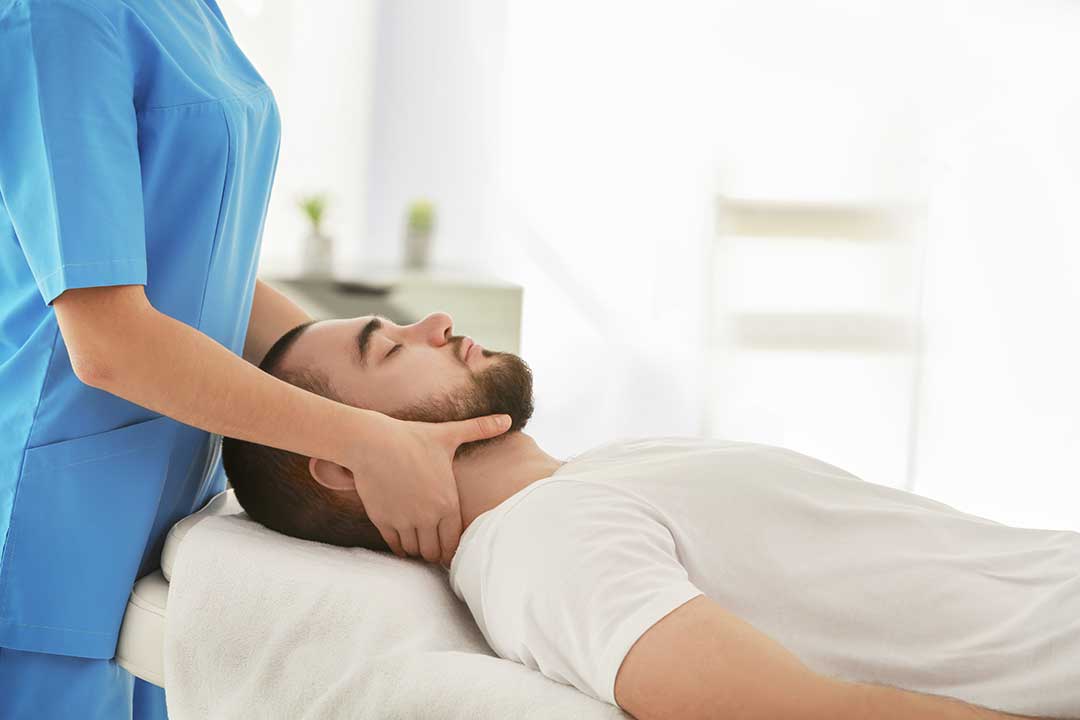
A chiropractor may assess movement, joint function, posture, muscle tenderness, and the way symptoms change with specific activities. Chiropractic care is one part of the broader health care system, and treatment should be based on the person’s history, examination, risk factors, and goals.
A responsible evaluation also considers whether symptoms might require another type of medical assessment. Spinal manipulation is not appropriate for every person or every condition, and a diagnosis should not be assumed from pain location alone.
For some individuals, care may include education, mobility work, exercise guidance, manual techniques, or recommendations to coordinate with another health professional. The focus should remain on safe function and informed decision-making rather than treating every symptom as a problem with the spine itself.
How can residents protect spinal health over time?
Everyday habits often matter more than occasional intensive efforts. Practical steps include staying physically active, building strength gradually, using safe lifting techniques, taking breaks from prolonged sitting, maintaining a comfortable sleep routine, and paying attention to early changes in mobility.
For snow, yard, or household work, divide heavy tasks into smaller parts, use equipment correctly, avoid twisting while lifting, and ask for assistance with loads that are too heavy or awkward to control. These precautions are especially useful during seasonal changes when people may suddenly perform tasks their bodies are not conditioned to handle.
Good spinal health supports independence, confidence, sleep, work capacity, and participation in daily life. It is best understood as an ongoing combination of movement, recovery, strength, awareness, and timely attention to symptoms that do not follow a typical pattern.
