
 See Our Latest Article on HelloNation
Back pain is common during pregnancy, but severe, sudden, or unusual pain should not be dismissed. For residents in Middletown, NY, safe relief usually begins with gentle movement, supportive positioning, careful use of heat or cold, and guidance from the pregnancy care team when symptoms do not improve.
Pregnancy changes posture, balance, muscles, joints, and ligaments. As the abdomen grows, the lower back may curve more, while pregnancy hormones loosen pelvic ligaments. These changes can make ordinary activities—standing at a kitchen counter, getting out of a car, climbing stairs, or sleeping—more uncomfortable.
What can safely relieve back pain during pregnancy?
Most mild pregnancy-related back pain responds best to low-risk measures used consistently rather than forceful stretching or complete bed rest.
Helpful options include:
- Short, comfortable walks
- Gentle pregnancy-approved mobility exercises
- Side sleeping with pillows for support
- Supportive, cushioned footwear
- Warm—not hot—compresses for tight muscles
- Cold packs for brief periods when the area feels irritated or swollen
- Adjustments to lifting, sitting, and standing habits
The right approach depends on the stage of pregnancy, the location of pain, and whether other symptoms are present.
Can walking or exercise help?
Yes. Walking is generally considered a safe form of activity during an uncomplicated pregnancy and can help reduce stiffness. A few short walks may be easier than one long walk, especially during the later months or during colder weather when outdoor surfaces may be slippery.
Water-based movement can also be comfortable because buoyancy reduces the load on the spine and pelvis. Gentle prenatal exercise, swimming, and pregnancy-specific mobility work may strengthen the muscles that support the back.
Before beginning a new exercise routine, ask the obstetric care team whether it is appropriate. Stop if an activity causes pain, dizziness, bleeding, contractions, fluid leakage, shortness of breath that feels unusual, or a sense that something is wrong.
A simple movement sometimes used in pregnancy involves getting on hands and knees, keeping the back comfortable and neutral, gently rounding the back, and then returning slowly to the starting position. The motion should be controlled and pain-free. It should not be forced, held for a long time, or performed if a care provider has advised against that position.
How should someone sit, stand, and lift?
Body position can either reduce or add to pregnancy-related strain. When sitting, use a chair with firm back support and keep both feet supported. Avoid sinking into soft couches for long periods, since standing up from a low, deep seat may twist the back.
When standing for a while, shift positions regularly. Resting one foot on a low step for a few minutes at a time may reduce pressure on the lower back. In homes where chores involve repeated trips up and down stairs, carrying smaller loads can be safer than attempting to move everything at once.
For lifting:
- Keep objects close to the body.
- Bend at the knees and hips rather than folding at the waist.
- Avoid twisting while lifting.
- Ask for help with heavy, awkward, or floor-level items.
- Do not lift through sharp pain.
Pregnancy can affect balance, so wet steps, icy walkways, and uneven outdoor surfaces deserve extra caution during Middletown winters. Using handrails and wearing shoes with reliable traction can help prevent falls and sudden back strain.
What sleeping positions and pillows may help?
Side sleeping is often more comfortable as pregnancy progresses. A pillow between the knees can help keep the hips and pelvis from rotating. Some people also benefit from a pillow under the abdomen or a full-length body pillow.
The goal is not to create a rigid position but to support the areas that feel strained. A mattress that is very soft may make turning difficult, while a very firm surface may increase pressure at the hips. Small changes in pillow placement can be more useful than buying specialized equipment.
If getting out of bed hurts, roll onto one side first, move the legs toward the edge, and use the arms to push up rather than sitting straight up with the abdominal muscles.
Is heat or cold safe for pregnancy back pain?
A warm compress or heating pad on the lowest comfortable setting may soothe tight back muscles. Keep a layer of fabric between the heat source and skin, use it for limited periods, and avoid falling asleep with it in place.
Avoid placing intense heat over the abdomen or using hot tubs, saunas, or very hot baths to treat back pain. Excessive heat can raise body temperature and may cause burns or lightheadedness.
A cold pack wrapped in a towel may help after activity or when muscles feel irritated. Use it briefly and remove it if the skin becomes numb, pale, or painful.
Can medication be used?
Medication decisions during pregnancy should be made with the obstetric care team. Acetaminophen may be recommended in some situations, but the correct dose and frequency depend on personal health factors and other medications.
Do not assume that an over-the-counter pain reliever is safe simply because it is sold without a prescription. Some medicines, including certain anti-inflammatory drugs, may not be appropriate during parts of pregnancy. Herbal products, topical pain creams, and supplements also deserve medical review.
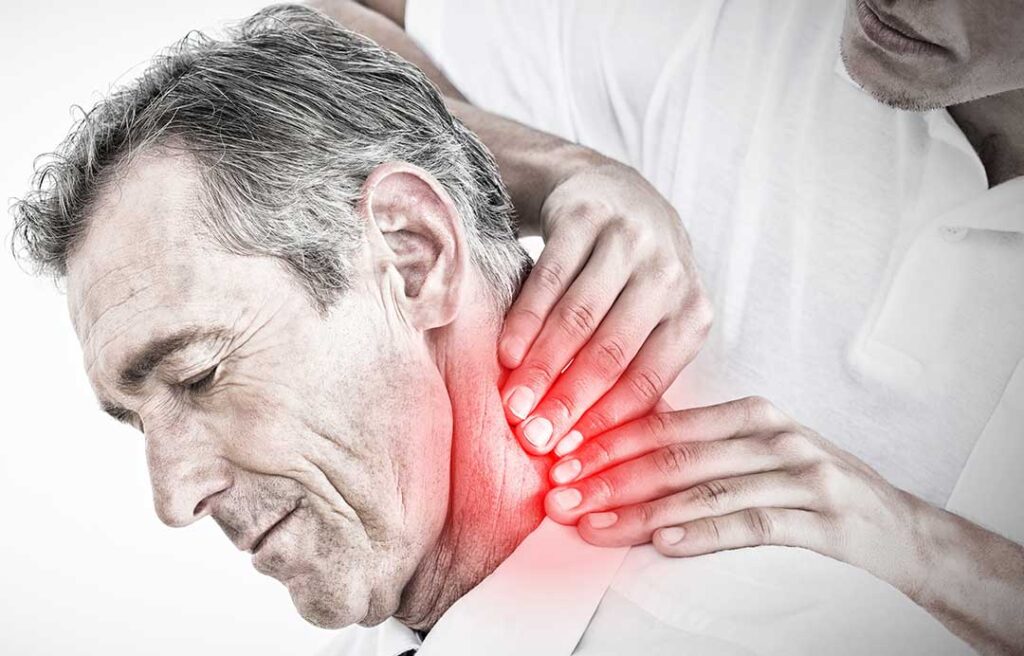
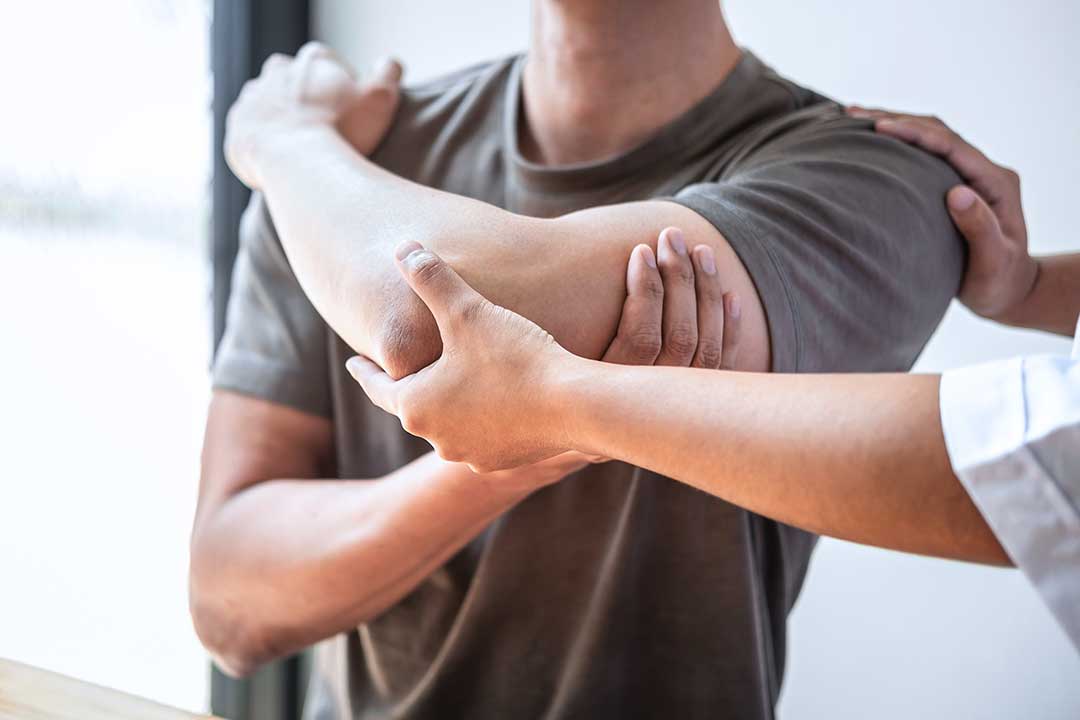
Chiropractic care, physical therapy, massage, or acupuncture may be considered for some pregnant patients, but pregnancy should always be disclosed beforehand. Any hands-on care should be adapted to the stage of pregnancy, symptoms, positioning needs, and medical history. Forceful or high-velocity techniques should not be used without appropriate clinical evaluation and clear communication with the pregnancy care team.
When is pregnancy back pain a warning sign?
Back pain needs prompt medical attention when it is severe, persistent, worsening, or accompanied by other symptoms. Contact the obstetric care team promptly if back pain occurs with:
- Vaginal bleeding or fluid leakage
- Fever or chills
- Burning or pain during urination
- Pain in the side or below the ribs
- Regular cramping, tightening, or contractions
- New pelvic pressure
- Numbness, weakness, or loss of feeling in the legs, buttocks, or genital area
- Pain after a fall, collision, or other injury
Back pain can occasionally be associated with a urinary infection, kidney problem, nerve compression, or preterm labor. During the second and third trimesters, new rhythmic back pain or pressure deserves particular attention.
How long should someone wait before seeking advice?
Mild discomfort that improves with rest, movement changes, and supportive positioning may be monitored. Severe pain, pain that interferes with walking or sleeping, or symptoms lasting more than about two weeks should be discussed with the pregnancy care provider.
A clinician may recommend pregnancy-specific physical therapy, modified activity, support garments, or other treatment after checking for medical causes. The safest plan is one that relieves symptoms without masking warning signs or placing excessive stress on the joints and abdomen.
