
 See Our Latest Article on HelloNation
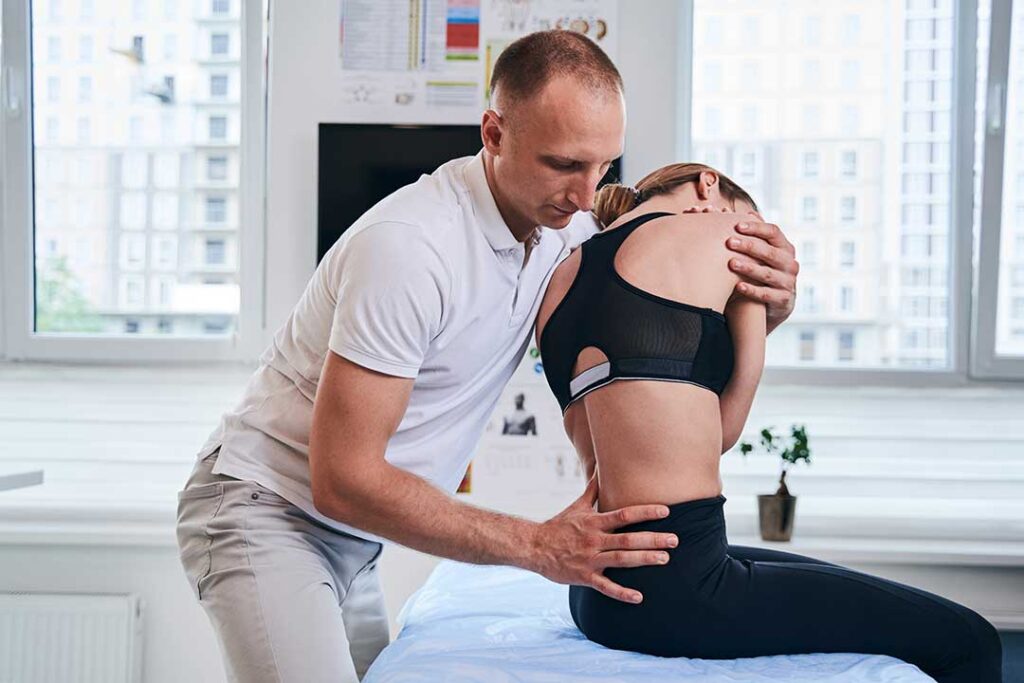
Spinal adjustments are hands-on techniques intended to influence movement in spinal joints and the way the nervous system responds to mechanical stress. Research suggests they may provide modest relief for some types of low-back and neck pain, but they are not a universal treatment and do not “put bones back into place” in the literal sense.
For residents of Middletown, NY, understanding what an adjustment can and cannot do makes it easier to evaluate treatment claims, recognize safety concerns, and consider spinal care alongside exercise, activity changes, and other evidence-based options.
What happens during a spinal adjustment?
A spinal adjustment, also called spinal manipulation, uses a controlled force applied to a spinal joint. The movement may be quick and small, or it may be slower and gentler depending on the technique, the body area, and the individual’s condition.
The term “adjustment” is commonly used in chiropractic care, while “spinal manipulation” is the term more often used in medical research. These terms can describe similar hands-on procedures, although approaches vary among providers.
A related technique is mobilization. Mobilization uses slower, repeated movements within the joint’s normal range and generally does not involve a quick thrust. Some people may tolerate mobilization more comfortably, particularly when pain, stiffness, age-related changes, or fear of movement are present.
Why might an adjustment reduce pain?
The exact biological explanation is still being studied. The current understanding is that several effects may occur at the same time:
- Changes in joint motion: A restricted or painful joint may move more freely for a period after treatment.
- Nervous-system input: Pressure and movement stimulate sensory receptors in muscles, joints, and connective tissues. This information may influence how the brain processes pain.
- Muscle response: A sudden but controlled movement can temporarily alter muscle tension or protective guarding.
- Confidence with movement: Reduced fear and improved comfort may help a person resume walking, bending, lifting, or other normal activities.
- Short-term changes in sensitivity: Some people experience a temporary decrease in pain sensitivity after manual treatment.
These effects do not necessarily mean that a vertebra was physically “out of place” and then returned to a perfect position. Spinal joints naturally move, and mild asymmetries on imaging are common even in people without pain. Relief may result from changes in movement, muscle activity, pain sensitivity, and expectations rather than from a structural correction.
What conditions have the strongest evidence?
The most consistent evidence concerns certain musculoskeletal problems, particularly low-back pain. Studies generally find that spinal manipulation can provide small improvements in pain and physical function for some adults with acute, subacute, or chronic low-back pain.
The benefit is usually comparable to that of other conservative approaches rather than dramatically better. Exercise, education, activity modification, physical therapy, medication when appropriate, sleep improvement, and psychological strategies may also play useful roles.
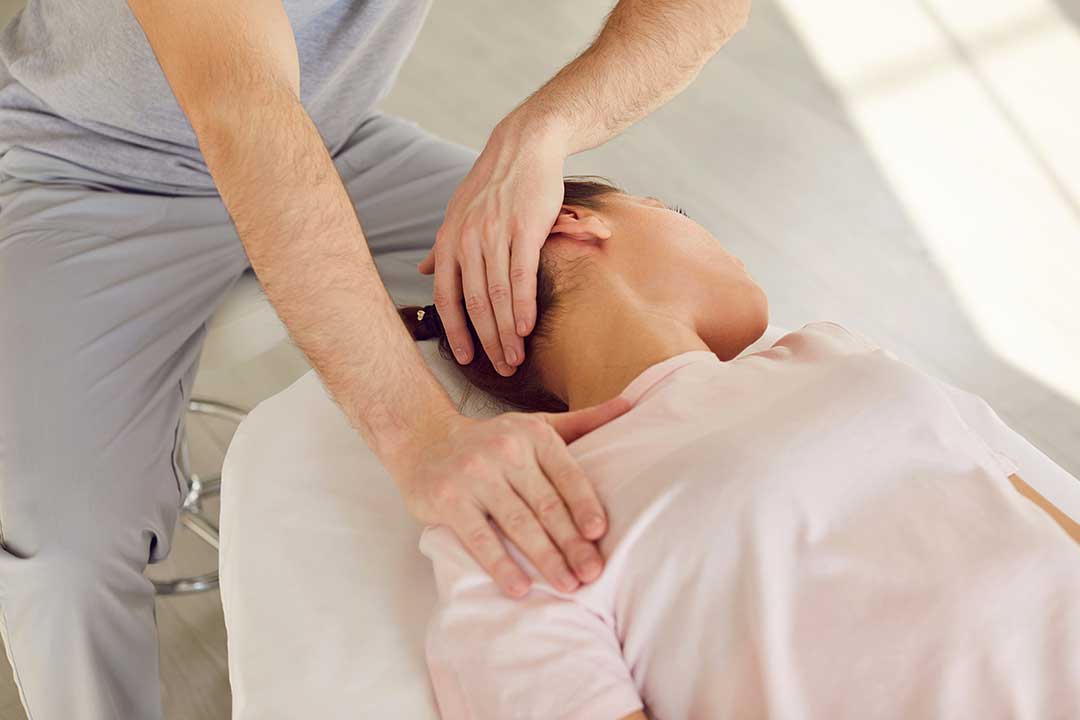
Research on neck pain suggests that manipulation or mobilization may help some people, especially when combined with exercise and other active care. Results vary, and treatment involving the neck requires careful screening because serious conditions can sometimes resemble ordinary muscle or joint pain.
Evidence is less convincing for using spinal adjustments to treat conditions unrelated to the muscles, joints, or nerves of the spine. Claims that adjustments reliably improve immunity, blood pressure, digestion, allergies, infections, or internal-organ function are not supported by strong clinical evidence.
Does the cracking sound mean something was fixed?
No. The popping or cracking sound often heard during a manipulation is usually related to a rapid change in pressure within a joint, sometimes called cavitation. It is not proof that a bone moved back into place, that toxins were released, or that healing occurred.
An adjustment can be useful even when no sound occurs. Conversely, an audible pop does not guarantee that pain or movement will improve. The meaningful outcomes are changes in function, comfort, and ability to perform daily activities.
What should a careful evaluation include?
A responsible evaluation should look beyond the location of pain. It may include questions about:
- How the symptoms began and how long they have lasted
- Whether pain travels into an arm or leg
- Numbness, tingling, weakness, balance changes, or coordination problems
- Recent falls, vehicle collisions, sports injuries, or lifting incidents
- Fever, unexplained weight loss, cancer history, infection risk, or osteoporosis
- Medications that affect bleeding or bone strength
- Pregnancy, recent surgery, or other major health conditions
Imaging is not automatically needed for ordinary low-back pain. It may be considered when there are signs of serious disease, significant trauma, progressive neurological problems, or symptoms that do not follow a typical pattern.
A useful treatment plan should also include a way to measure progress. Examples include walking farther, sleeping better, returning to household tasks, or tolerating sitting and standing more comfortably.
Is spinal manipulation safe?
For many healthy adults, spinal manipulation causes only temporary effects such as soreness, stiffness, fatigue, or a short-lived increase in symptoms. These reactions often resolve within a day or two.
Serious complications are rare, but rare does not mean impossible. Extra caution may be needed for people with severe osteoporosis, certain fractures, inflammatory or infectious conditions, significant neurological symptoms, bleeding risks, or other health problems affecting the spine or blood vessels.
Neck manipulation deserves specific discussion. Rare serious events involving blood vessels in the neck have been reported, although research has not established a simple cause-and-effect relationship in every case. Anyone considering neck manipulation should be informed about potential risks and alternatives.
Urgent medical evaluation is appropriate for new loss of bladder or bowel control, numbness in the groin area, rapidly worsening weakness, severe unrelenting pain, fainting, trouble speaking, sudden vision changes, or a severe unusual headache.
How should adjustments fit into daily life in Middletown?
Seasonal conditions can affect how people move. Winter ice, snow removal, cold-weather stiffness, and driving on slippery roads may increase the likelihood of strains or falls. At other times of year, yard work, home repairs, recreational activity, and prolonged sitting during commutes can aggravate the lower back or neck.
An adjustment, if appropriate, is best viewed as one part of a broader plan. Progress is more likely to last when comfortable movement is gradually restored through walking, strengthening, mobility exercises, ergonomic changes, and practical strategies for lifting and household tasks.
People should also be cautious of treatment plans that promise to correct every health problem, require indefinite visits without measurable goals, or discourage appropriate medical evaluation. The science supports spinal manipulation as one possible option for selected pain and movement problems—not as a replacement for diagnosis, exercise, emergency care, or treatment of serious disease.
